
Posted by: nativeiowan | May 10, 2009
killer sun set
Posted in blazing skies, PHOTOS AND IMAGES
Posted by: nativeiowan | May 10, 2009
Saturday at Work
Posted by: nativeiowan | May 8, 2009
grandma’s garden
Posted by: nativeiowan | May 8, 2009
from my window: body language at the bus stop
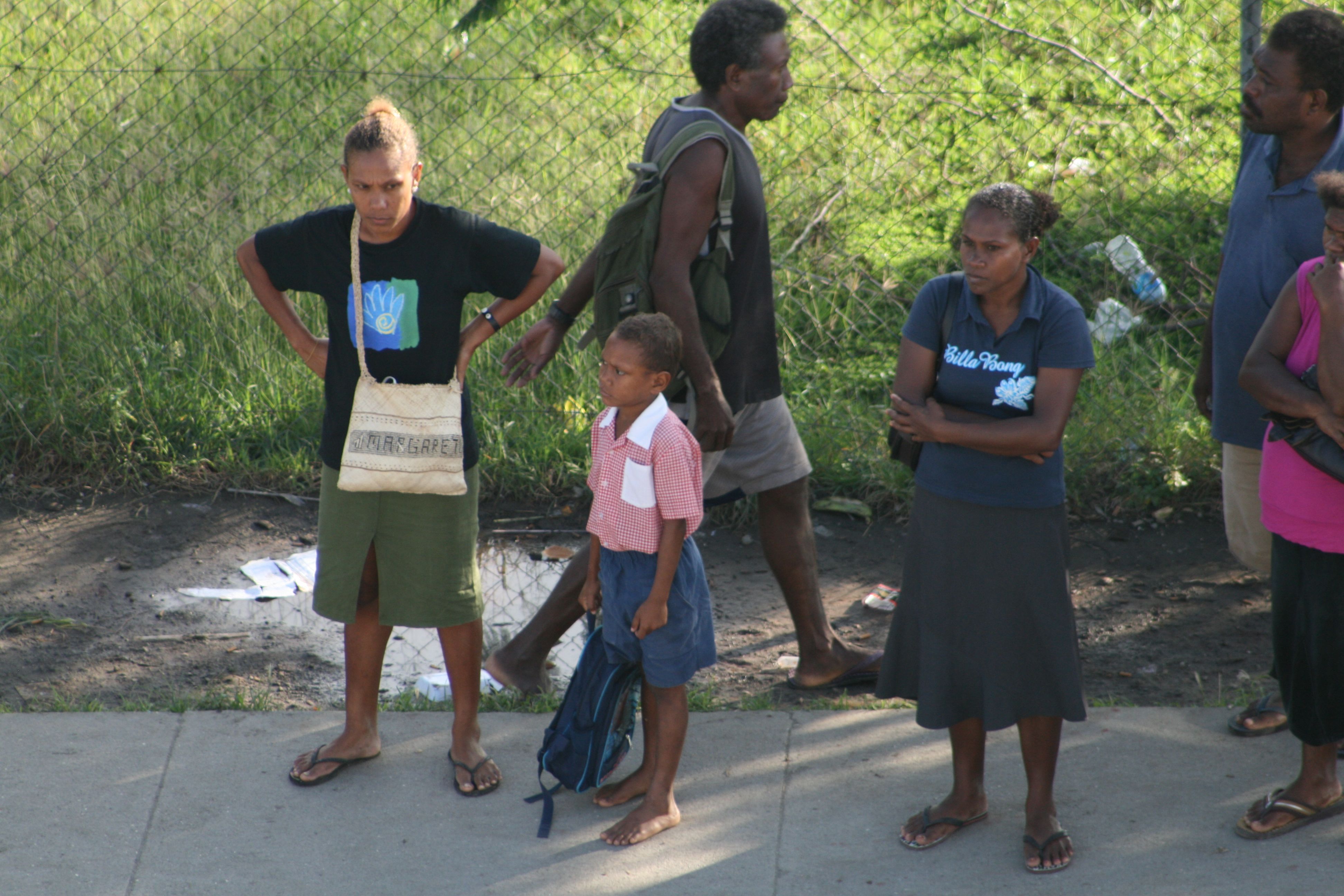
Posted in May 8 8am, PHOTOS AND IMAGES
Posted by: nativeiowan | May 7, 2009
from my window

May 7, 2006, 5pm
Posted in May 7 5pm, PHOTOS AND IMAGES
Posted by: nativeiowan | May 7, 2009
One of those days
Posted by: nativeiowan | May 6, 2009
from my window
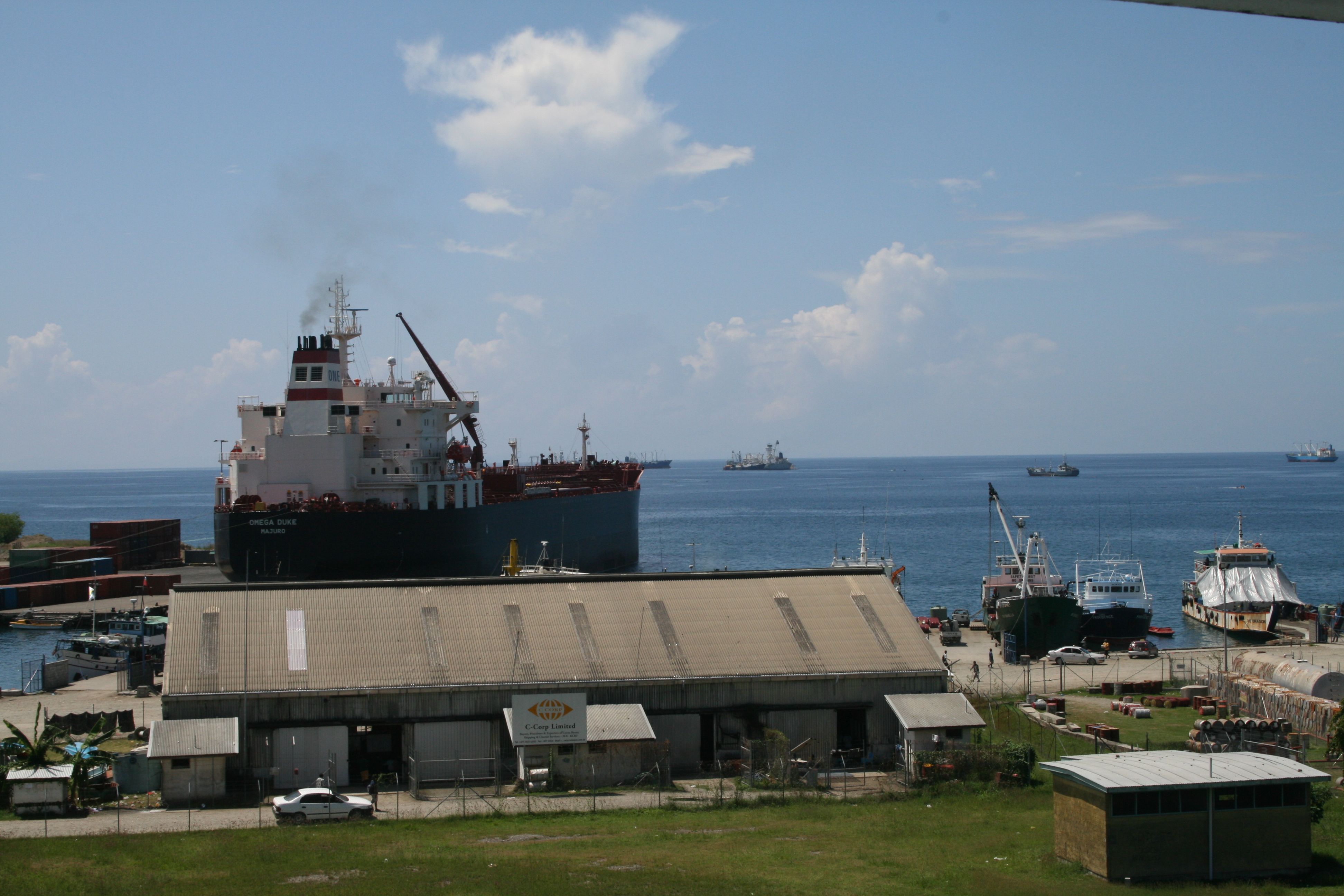
May 6, 2009: 12 noon
Posted in May 6 12noon, PHOTOS AND IMAGES
Posted by: nativeiowan | May 5, 2009
from January 2009
The following are answers to questions as posed by the Solomon Star. It is important that the answers be printed as is and that literary license is not allowed. This is not an interview… It is a submission with answers to specific questions…
As the new President of Chamber of Commerce what are your immediate plans for SICCI?
Since there are so many important issues that need urgent attention it is hard to prioritize just a few. The business law reform deals with a number of issues, as will the labour law reform, but a short list of other priority areas would include; road improvements in Honiara (Ranadi in particular), inter island shipping including navigation aids, customs clearance times, Solomon Airlines management, water and electricity supply, telecommunication costs, garbage collection and disposal, urban land use, national legislation on lands, business friendly taxation reform.
On top of these issues the Government must also see growth in the tourism, mining, plantation and fisheries sectors if it is to avoid a growing trade deficit, a weakening Solomons Dollar, and higher unemployment.
The Chamber realizes that this is an immense task. Which is why the Government should utilize the expertise of the private sector in making decisions, rather than importing expensive and oft-times confused consultants. Utilizing immediately available private sector business experts to develop policy that aims to enhance the business environment is an obvious choice to make.
The Government has promised greater engagement with the private sector but we need further commitment and continuous meetings to develop how we can actually help government formulate policy. Just saying something does not make it reality. The Private Sector as represented by the SICCI is standing by to assist, partner and cooperate. It remains the responsibility of Government to involve us in a productive and permanent manner.
The SICCI must continue the path established last year whereby an honest partnership with SIG is maintained creating a venue where positive progress and cooperation is fostered. There is, sadly, a thought process that Government and Private Sector are adversaries. By understanding that Government needs Private Sector and that Private Sector needs Government we can prepare to move forward together rather than in opposition. The Chamber proved its commitment last year but remains disappointed in the time lost through political agendas being primary to economic agendas. Both agendas must be addressed yet an imbalance, as we have experienced in the past, easily costs us time we do not have.
Consider: Solomon Islands celebrates its 30th anniversary this July. How long do we have to “get things right”? I personally feel our problem is that we lack the consistent leadership of experienced and honorable, fair-minded individuals. Not to say that such individuals do not exist but rather that the stability required for successful economic foundations to be laid has never existed. Where are the leaders that we need to make wise decisions at all levels of the community? Government land is often “given” away to friends, relatives and cronies. (specifically noting the Western Provincial decisions to “sell” land including the famous Kennedy Island in 2004 and the loss of public land throughout Honiara) We are currently watching the drama of government vehicles (new and expensive vehicles) being “sold” to public (past public) officers for a fraction of their worth.
The leaders that do the harm to the community may not be with us for long yet the fact that the damage is done, the valuable properly sold for a pittance with the needs of the Nation left unattended; for yet another term.
I feel that we do not have too many chances to get it all “right”. In very rough numbers: Half the population is under 25 yrs. Half of this group is under 15 yrs. We are looking at a huge cross section of our population becoming more and more disenfranchised. We talk of our Nation’s valuable resources… When are we going to wake up and understand that the Youth of The Nation are much more valuable than the timber, fish stocks or minerals we argue over?
All that I read, research and understand tells me that our beloved Solomons are an economically viable land. I feel that the wastefulness of past leadership combined with the collusion of self serving business principles has sent us all down the path of penury. 30th independence anniversary this July… I’d say we have 10 years to prove the current generation has the ability and will power to make a difference.
2. What would be your priority areas to address in relation to commerce and industry activities in SI?
We have discussed many areas of importance above.
Specifically we will directly attend to:
- Take the SICCI to the Provinces.
- Address taxation issues with SIG.
- Continue working per developing a better and more professional Lands Office that actually does the work required in a timely manner.
- Address issues of businesses acting outside the formal sector.
- Push for transport (road, sea, air) development throughout the country aiming to find a point where the rural dwellers of the nation are no longer penalized for simply being rural.
- Bring to the forefront the issue of the Solomon “brain drain”… We need to bring our skilled and qualified wontoks back to the Solomons. The only way to do this is to offer the same opportunity and future as is being offered to these people over seas.
- And the youth of the Nation… We must become wise enough to admit that it is up to the generation now in control to ensure a secure future for our children. We need to give them respect and self esteem. Rather than sell the public playing fields we should build more sporting facilities. Our schools are less than productive. If we cannot prepare a positive future for the youth of the national all else is for nothing.
3. What areas would you like the government to do or improve in relation to commercial and economic activities and growth in the country?
In addition to the previously mentioned issues one thing that needs attention is the level of service from government. The private sector pays taxes and expects a certain return on this investment. However, what we continually see is inefficient government services and inefficient civil servants. Whilst we do understand that some departments are understaffed we believe that a lack of discipline, work ethic and leadership result in a poor level of service. Ministers are ultimately responsible for whether or not their employees work hard and steer clear of corrupt practices. However, it is management at every level that should be demanding more of their staff and themselves. The country will continue to develop at a snail’s pace if corruption and incompetence are allowed to permeate every level of public service.
A work ethic must be developed where the type of energy found in the Government Offices is the same as the energy found in private business. Right now government offices may or may not be functioning to their actual capacity with and deficiencies costing private sector directly. It does not work for Private Sector to wait for far too long to get a property transferred or a permit process completed. Files get lost in the system and the Private Sector suffers. As they say… “time is money”.
The self-serving or corrupt attitudes that have crept into the administrative life of the Solomons has to stop. This comment is pointed at Private Sector as well as Government… It does take two to tango, so they say… The idea that you have to pay a worker or officer a gratuity to do his job is farcical. It is, in my mind, a new occurrence specifically noting that such was not the norm within the first ten years of Independence.
I feel that it is now quite normal to find levels of corruption where by a pack of cigarettes gets you fast attention, where a crate of beer gets you that form processed, or where a few hundred dollars buys a blind eye to a large tax or fee or even remove a legal charge. The mentality here is that the service being supplied is for sale to the highest bidder. This holds true with Government offices, State Owned Enterprises and Commercial Business. We have come to accept the trend that you pay something extra to get good, prompt service. Or, if you do not pay, you wait, and wait, and wait…
With the greatest of respect to all parties: We all have messes we need to clean up. Finger pointing does not work but, as discussed above, I do not think we have much time to get it right.
4. As the former Vice Chair of SICCI and long time member of SICCI what are some of the challenges and achievements of SICCI?
We have been heavily involved in government plans to raise the minimum wage (something that the Chamber supported) and also proposed changes to taxation. The Chamber has proven to be an invaluable source of information since we have shown that we can conduct research involving thousands of employees and numerous firms very quickly. The country lacks much of the important data on which policy decisions should be made. This year we plan to undertake many more studies and surveys of our members to help the government make the right decisions.
However, undertaking such work is a challenge to the Chamber since we are a small, self funded organization. Our challenge for 2008 is to look into expanding our revenue base by attracting more members and offering a greater number of income generating services as well as seek development funding to allow our far reaching programmers to be realized.
SICCI is the premier private sector representative for the Nation. We plan to reach out to the provinces and allow the strengths of the SICCI to assist businesses and industry “out there”. I strongly note that it is important that we bring our brethren-in-business into the formal sector, which will be hard at first. The Government must make it clear to the Private Sector that there are advantages in being a part of the formal sector. Hiding in the “black market” areas of rural business is no longer acceptable and we must show others that there are distinct advantages in being part of the formal economy.
To be successful here the Chamber must prove it’s worth to its membership. It must modify perceptions of what our main functions are…
Why should any business or private individual join the Chamber?
What return for investment does it offer?
Will the partnership with Government we discuss really make a difference?
Is the Chamber just for the big businesses?
The answers here are basic and simple: By being a member of the Chamber/ by being a member of the Formal Private Sector your voice has more weight. The more of us who work together to partner with Central and Provincial Governments to “MAKE A DIFFERENCE” the easier and quicker we shall grasp success.
5. Do you think government support to private sector is enough or not, if no what areas needs to be supported?
SIG is good at doing consultations (probably due to donor pressure and/or advice in how to go about reforms) but there is no guarantee that the private sectors views are taken into account. The Chamber has had mixed success in this respect. What we would like to see is a greater number of private/public sector boards making real decisions regarding government policy and spending. Although we are represented on the steering committee for business law reform and for labor law reform we would like to see more private sector involvement in the real decision-making. The Shadow Board for the National Transport Fund is a good concept and one that could be repeated in other sectors. However, we recognize that the Government will be reluctant to cede some of its decision-making abilities to the Private Sector. Despite this we see that mixed private sector and government boards are more democratic and effective way of making decisions.
It is important to comment on State Owned Enterprises, SOEs, appear to demand much funding from the Government’s general treasury… Perhaps too much. Noting specifically that Solomon Airline and SolTaiyo cost the Government millions to “keep afloat”: It may be wise to consider the ability of the Government to manage such enterprises. It may be wise to dissect the reasons for such failings. Is it indeed in the best interests of the Government to continue to “invest” in losing operations? Could the money be better spent, elsewhere?
SIG should be supporting the private sector through infrastructure development. Also through bringing opportunities such as partnerships with businesses from off shore. The Government should never “give” money away to stimulate “business”. You cannot promote or develop business by handing money out. It simply does not work. Grants in the name of “development” have long been a path to fund wontoks and cronies.
Give us wharfs, an airline that is on time, good roads, and fair taxes… And then we’ll see how fast and how far we can grow.
6. Doing think business and investment opportunities is rising in the country? if so what is the contributing factor?
The high level of economic growth that we are seeing is to be expected after a prolonged period of self inflicted stagnation. Taking specific note that we are still below late 1990’s level of productivity.
High worldwide commodity prices are making the country attractive to investors. Palm oil, metals, timber and fish are currently in high demand. However, there is no guarantee that this will continue indefinitely, as has been illustrated by the recent global credit crisis. The government must work harder simply to remain competitive on the international arena. In order to succeed the government needs to pursue very wise, long-term strategies; which is hard to do in such a fluid system of government as we have here, with no strong party system and continually changing allegiances. Investments are likely to grow but the government must reinvest any surpluses in infrastructure and also health and education. We need an educated, well trained, workforce if we are to develop.
Following and possibly contrary to the above: The investment climate in the country is not as healthy as one may think. We are living on a short-term crest of a wave that may well crash. Logging is less than long-term sustainable. Fishing is the same. Mining… Similar, perhaps? The Government must make gains while the times are good and prepare to invest in the future.
The discussions per increasing tax levels rather than reviewing the entire tax system means that an investor stands little chance of creating a return on investment, honestly. Too many taxes open the door to abuse. Too much taxation promotes devious designs. Our currency is in very bad health. It would take a brave investor to bring money from off shore and, at this time, invest in SBD. Political instability is another issue that scares investors off. Land tenure noting costly and tiresome issues relating to inefficiencies in the Lands Office is another detractor to inventors. General safety and security, noting the 2006 riots that erupted without warning, is another big threat to investment.
Instability and the lack of a secure and consistent business environment increase the costs of doing business. Such increases of cost often send honest investors away from the Solomons.
We can all agree that the Solomons offer much potential. Yet the act of attaining or realizing this potential must be done in a partnership between Government and Private Sector… Not at the cost of the Private Sector. As long as we can be fair, honest and transparent we can succeed.
In ending… I offer for reprint a speech that was made to the Sogavare Government in late 2007. I feel the sentiments here have not changed…
Respected Guests, Ladies and gentlemen,
The SICCI has been asked to offer remarks per
“The Role of the Private Sector and Challenges Faced”… This is an important discussion and I very much appreciate the opportunity to address this gathering. I will keep my remarks short, succinct and pertinent…
First off: Allow me to begin by defining “Private Sector” … Encarta states that Private Sector is the part of a free market economy that is made up of companies and organizations that are not owned or controlled by the government. My initial comment here is that the Private Sector of Solomon Islands is unlike that of other counties. Our Private sector begins with the rural sector and flows from there. The largest cross-section of our Nation, the rural sector, is very much a part of the Private Sector. Yet this cross section of our economy is often underrepresented, overlooked, neglected, or worse, exploited.
Representing a powerful machine the rural sector has proven to be a strength that has supported the Solomons time and time again. Most urban businesses cater, at least to a degree, to the Rural Sector. We can be blinded at times by considering that the urban economy is the economic end all and be all.
It is an articulated aim of SICCI to reach out and include the rural Private Sector in our activities. We are actively, upon the request of the Premier, working to establish a branch of the SICCI in the Western Province. Choisuel Province has also requested that SICCI come and meet with them. I am convinced that our long term goals and visions must include the rural Private Sector. The sooner we consciously do so the stronger our economy will be.
Secondly allow me to attempt to paint a picture of our current economic situation: 2007 has been a dynamic and challenging year. Consider: The flow-on effects from the 2000 to 2003 economic disruption are still with us. The civil disobedience experienced in 2006 is still a legacy we bear. The disaster experienced in Western and Choisuel Provinces in April this year simply adds to our list of woes.
I must be blunt here… Over the past seven years the Private Sector has been shaken, rattled and rolled from every conceivable direction. We have all mutually experienced much that directly or indirectly inhibits or even prohibits economic growth.
Combine this with the rising prices for basic commodities, the weak SBD we trade in versus the strengthening of currencies such as the AUD and we see quite a shadowy economic picture emerging.
Additionally; recent Government initiatives to raise the minimum wage and to modify taxation legislation, specifically targeting benefits paid to employees, distorts this picture we are trying to focus in on.
I am fond of stating, perhaps bragging that the Solomons is my home. I am proud and honored to be able to claim such and habitually choose to be optimistic in relation to business, our economy and the challenges we face. Where will pessimism take us anyway? No, optimistically, through the fog, the smoke, the confusion and the haze the picture of the Private Sector in the present day economy is very, very impressive.
We can see dedicated and loyal citizens, in both the rural and urban sectors, making due in good times and in bad. We see confidence in the face of uncertainty, resilience in the face of adversity and beautiful Solomon smiles all the time.
The SICCI represents many private businesses. Admittedly a fraction of the Private Sector, the SICCI membership includes locally owed, and foreign held enterprises, all of which have survived and supported the national community through thick and thin.
Yet I am compelled to point out that the Private Sector does not have an infinite capacity to suffer set backs and still contribute. We have seen businesses leave. We have seen businesses fail. I shall not dissect the reasoning behind such leavings or failures but…
If I could wish for if not request one thing from our National Government:
It would be stability.
I say to our Elected Leaders, Please… Give the Private Sector, both the urban commercial and the rural private sectors, stability. Please: Give us good leadership. Please. Give us security. Please. Give us Fiscal responsibility. Please, Please. Give us wise laws, fair taxes and mutual prosperity.
As our National Anthem states
Joy, Peace, Progress and Prosperity
And of course…
God bless our Solomon Islands from shore to shore
Posted in DATED COMMENTARY, from January 2009
Posted by: nativeiowan | May 5, 2009
press release April 2007
Preparedness in a Modern Society
Protocol: Ministers, PS, Directors, Ladies and Gentlemen…
I thank you for the opportunity to speak to this important gathering. As Vice-Chairman of the SICCI I am honoured and very happy to stand before you today. The involvement of the Private Sector in this “Lessons Learned” workshop is, I firmly feel, both timely and important.
I have decided to restrict my thoughts and comments here to the general heading of “Preparedness in a Modern Society”. To begin my discussion I wish to establish a few general guidelines from which I will direct my discussion. These guidelines are:
1) We, the Solomon Islands, are a modern society
2) Having recently experienced a natural disaster involving both a major earth quake (reported as the 4th largest the world has seen in recent history) and a resulting Tsunami, we have first hand experience what it means to be less than prepared
3) As an island Nation with major population groups widely dispersed and a “Tyranny of Distances” controlling many decisions it is difficult to effect timely and adequate response, equitably, to all areas within our country
Covering point #1: A modern society may be classified as one that interacts with and involves its members (it’s citizens) in discussion, dialogue, forward planning and decision-making. A modern society looks at and addresses problems from a societal point of view. We do not simply care for those living in the cities or those who are closest or those whom we personally know. A modern society shares decision-making processes with its members. Everyone has a say, everyone has a responsibly and everyone is important in times of need.
The citizens of Solomon Islands have the privilege to elect their representatives to both the National And Provincial levels of Government. These elected “members” represent the needs and wants of their constituency at their respective levels of government.
Such needs and wants may include issues such an education, health care infrastructure development and, in times of dire need, disaster relief. The point here is that planning and forward progress is a societal issue. The people, through their elected representatives, directly influence the course of events in relation to modern societal planning.
Such social involvement or influence contains both a “Top-Down” and a “Bottom-Up” attitude. Top-Down being represented by the projects and activities that are initiated by the central levels of government and the Bottom-Up being represented by the initiatives and activities initiated by the communal levels of societal interaction.
The Solomons has a strong history of Bottom-Up organization and problem solving. I think it is fair to say that traditionally the Solomons addressed its communal wants and needs from a Bottom-Up approach. In times past when disasters affected our various society a ”self-help” or Bottom-up attitude made recovery appear much easier or simpler than we are experiencing today.
It is though important to note that our society is changing constantly. Larger population concentrations, urbanization, dependency on imported goods; etc takes us away from the “time blo before” and brings us to a new experience with new challenges as well as new opportunities. Perhaps the Self-Help or Bottom-up approach does not always work. Perhaps, as we have just experienced, the Top-Down approach is required to successfully meet society’s requirements in times of trouble. Perhaps here are times when a combination of both approaches are required?
Moving onto point #2: The disaster, which hit the people of the Western and Choiseul Provinces on April 2nd, affected a new, and changed society. Never in our Nation’s history have we seen such large concentrations of population hit by a single catastrophe. This was not an isolated occurrence where a single island or island group was affected. This was a disaster that affected no less that 30,000 people situated on no less than seven major island groups separated by hundreds of miles of water.
We are talking about a modern urban centre, Gizo being effectively “turned off”. We saw thriving communities on Simbo, Rannonga, Gizo Island and Choiseul literally wiped off the face of our earth. We saw both urban and rural dwellers forced to communally address problems which, in the long term, they had no hope of satisfying.
We have no modern experience to prepare us for destruction on such a large scale. The distances and the sheer numbers were and still are overwhelming.
Even the cyclone of 1986 brought us less trauma. It did affect vast areas of Guadalcanal, Malaita Makira and the Eastern Islands. There was huge damage and many homeless as a result of the Cyclone. Yet the scale of destruction experienced in April overshadows our 1986 experience.
In a Positive Vein: This new experience offers us a foundation from which to learn and plan for the future. It is, in it’s own way, a good lesson from which to learn. We do mourn the loss of life. We do acknowledge the damage to personal and communal property and infrastructure. As we do acknowledge the need, the necessity for us to learn from this experience and to ensure better planning and response in preparation for, the good lord forbid, our next natural disaster.
I stress this point; we can be allowed a small degree of forgivness for any inadequacies and failings experienced this time. This has been an important yet sad learning experience. But it would be shameful to allow too much leeway in the future. Let us not repeat the same mistakes twice.
Moving on to Pont #3: The “Tyranny of Distances” we live with in our Island Nation makes it essential that we do not, ever again, “take too long” to respond to our community members in their time of need. We must be poised and prepared to respond quickly and efficiently to all future disasters. A combination of Bottom-Up and Top-Down management may be of use to us here. Decentralizing the disaster response controls may pay off in the future (especially if Honiara is hit and the Disaster Response center is non-functioning). Provincial warehousing may be an answer. I see a need for “Community Disaster Management Committees” to be established in all communities throughout the Nation. We can never prepare to soon nor plan too much.
I stress here the need for communications in a time of Disaster. With the distances involved here we must have timely and effective communications in order to quickly inform and be informed and to effect preliminary assessments in an efficient and timely manner. I feel quite positive about the way communications were handled during the April disaster. Solomon Telekom did a great job keeping their stricken exchange in Gizo functioning. Many SW radios in effected areas continued to pass and receive news throughout the times of trouble. I will though mention that I feel SIBC should address the issue of their Gizo station going down. The transmission from Gizo being interrupted left a huge gab in information dissemination.
I also stress a need for forward planning and perhaps some regulation of the use of commercial/ private equipment and vessels in times of disaster. I feel it is important that the central authorities ensure that those who offer assistance are guaranteed compensation for their expense and assistance. Yet to go overboard and to pay foolishly exorbitant amounts, simply due to it being an emergency, makes us all look bad.
Profiteering cannot be allowed in times of trouble. As a businessman poised to help in any and all times of need I call on the respective authorities to implement rules that ensure required services and equipment can be quickly sourced, that such is not done to the detriment of those suffering and needing help, nor to the detriment to those offering to help.
Also: I feel it is important that all monies expended be properly accounted for. The SICCI represents the “Private Sector”. We all thank the private sector for their generous assistance in all times of trouble. Yet, as businessmen and women, we cannot tolerate waste or abuse. As a businessman I do not wish to give donations, destined for Choiseul or Vela la Vela, only find my assistance did nothing more than inflate the cost of vessel or vehicle hire. If I donate money I need to see that it is used both wisely and effectively.
It is immoral, unethical and should be illegal, for donations destined for helping others in a time of need, to be diverted, converted or otherwise mismanaged.
Lastly: I thank everyone for his or her patient listening to my discussion. I hope it is of some benefit. Some assistance to this gathering. I also offer this gathering the full cooperation and support of the Chamber of Commerce. The Private Sector has many resources… not just cash donations… but expertise, experience, enthusiasm and ideas. We would welcome more direct dialogue with the NDC and other Authorities in relation to Disaster Relief, general preparedness, Risk Assessment and Mitigation.
The SICCI remains, ladies and gentlemen, at your service…
Posted by: nativeiowan | May 5, 2009
from my window
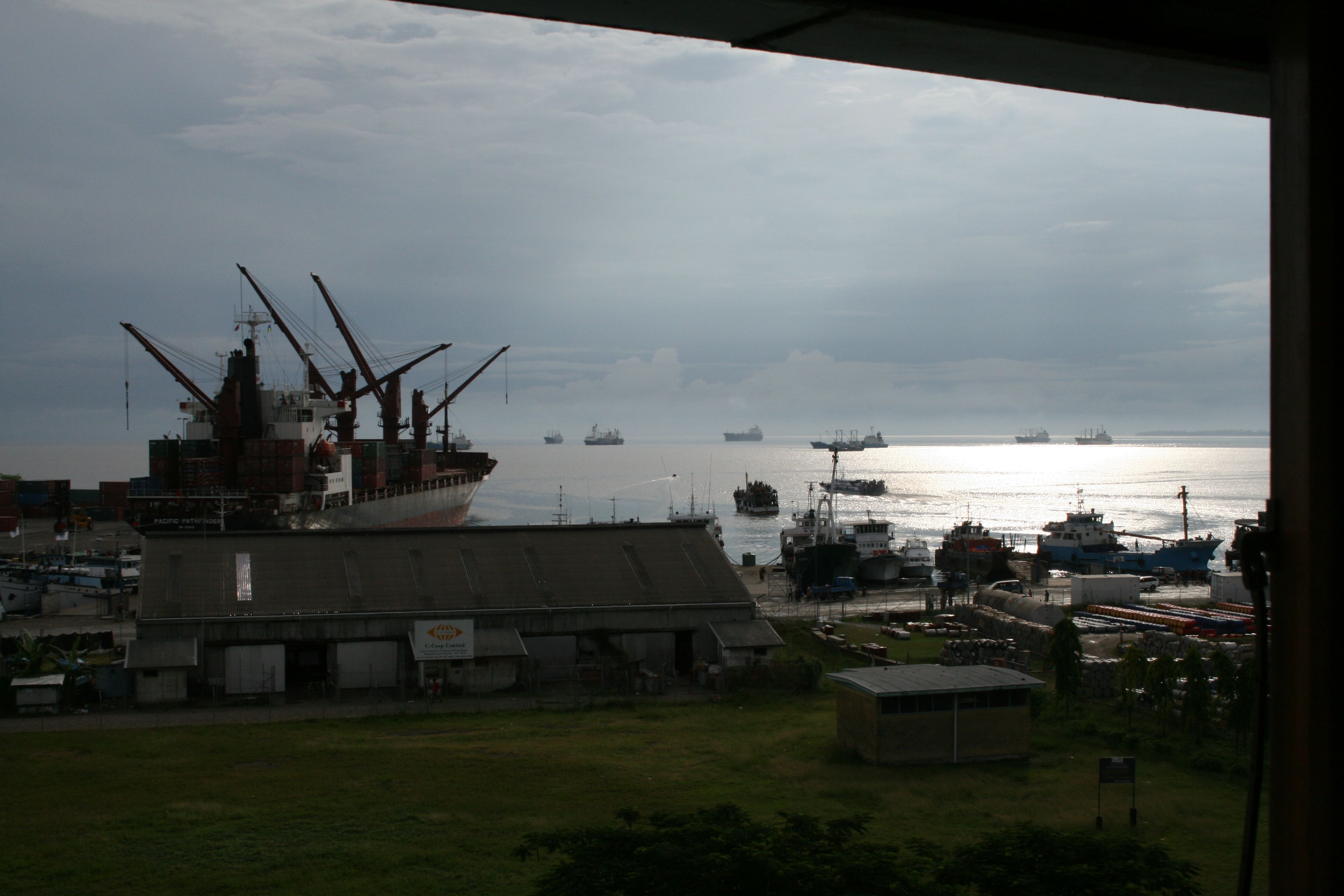
Tuesday 5 May, 2009, 815am
Posted in May 5 8am, PHOTOS AND IMAGES
Posted by: nativeiowan | May 5, 2009
press release January 2009
Dear Sir or Madam,
I would like to offer the following as a letter to the Editor.
Subsequent to the reporting carried out in the past week we feel that issuing the message from our press release, in it’s main-body entirety, is best at this time.
Many thanks
The Solomon Islands Chamber of Commerce and Industry offers a New Year’s challenge to all as individuals, as groups and as a Nation…
- The proverbial harvest is not for the elder generation to treat as their own, to sell, give away or otherwise consume. The elder generation has an obligation to our future generations. The elder generation must nurture and guard that which we know is valuable. The elder generation cannot use everything we see for our own purposes. The elder generation cannot pretend we are the owners of the future. The elder generation is getting old. The elder generation know we must hand over the future to the next generation, sometime… perhaps soon? The challenge here is to be wise custodians and acknowledge that there will be others coming behind us. Our actions are often dictated by shortsighted viewpoints. I challenge all our leaders, all our members of the “leading generation” to rethink your processes and make new plans based on the concept of guardianship rather than ownership.
- An elected or appointed leader, in private or public settings, has responsibilities that they must be faithful to. We have rules, regulations and laws that must be followed… or such is the rumour… Some would believe that once you’re a leader the rules do not apply. We see this in the community, in our churches, in business and, very clearly we see it in government and in politics. We challenge both private and public sectors to pull their socks up and be honest and fair to your individual and communal responsibilities. Do your work in a professional manner. We are all paid to do a job. To demand or expect “extra”, or to take liberties while doing the job is very wrong. We challenge everyone to be honest and faithful in the work place and to cease unprofessional and at times childish behavior.
- Parents, Grannies, Aunts and Uncles, Brothers and Sisters… please, act as friendly policemen in your families, your tribes and social networks… We stress “friendly”. We feel that positive reinforcement will work better than violent discipline. Young Citizens… use your peer pressure to ensure you and your friends make the right decisions. It does not make sense to go around damaging property. All in all we share the same environment. We all travel in the same small canoe. Everyone has a role to play. Everyone is important. And it will be cooperation that leads to success. Our families, tribes, communities and Nation all depend on honest cooperation and fair interaction. It is a modern world we live in. And as such we all need to play our role, do our jobs, participate and cooperate. We challenge everyone to be a friendly policeman in your environment. Consider what is best for the community and act accordingly. The big headed, selfish and malicious attitudes that currently exist must stop. Now.
- We talk of growth. Yet our community grows annually. And we don’t keep-up. Our statutory authorities and State Owned Enterprises know they need to expand to stay alive. But they don’t or they can’t expand at a pace that satisfies demand. SIEA is under capacity as we speak. SIWA struggles to service the community’s needs. We live with extended power and water outages. For the Private Sector this means that the cost-of-doing-business in Solomon Islands is too high. Most services we all pay for are too expensive and far too undependable. The SIG pays more and receives less too. We watch as the SIG regularly pays inflated prices. The Public Sector, like the Private Sector, is paying too much too often and this simply cannot continue. We challenge all business houses, statutory bodies, state owned enterprises, Central and Provincial government offices, the Honiara City Council…We challenge all to be fair and be honest in all dealings. To do more as individuals so we can gain growth and capacity, collectively.
- Corrupt practices must end. Corruption is killing this Nation. We admit that the Private Sector cannot point the finger of accusation at the Government alone. We cannot profane and proclaim government’s guilt. Not when it is we, the Private Sector, that perpetuates and promotes a corrupt system. We must remember that a corrupt action requires two willing parties. We need to agree to make the systems we have work. No matter how awkward they may be. We can change things by playing our individual roles in a faithful manner. Once we are collecting/ paying our taxes, faithfully, and once we are controlling the Public Treasury, in a responsible manner, we will begin to see honest growth. We challenge all involved to cease the dishonest, self-serving and corrupt practices that we all see; all know about, but do nothing to stop.
- Should be/ must be spent on education, medical services and infrastructure development. Can we agree that unaccounted for, free money does little more than open the door to graft, corruption and misuse? The topic we discuss here is the proper fiscal management of Public Funds. We challenge the SIG to be wise with and be accountable for all PUBLIC FUNDS.
- A society that does not manage its waste, does not remove its rubbish, does not clean its communities… well, such a society is not modern at all. We need a forethoughtful and functioning rubbish collection and disposal system, if indeed we are going to attract investment, bring in tourists or sell our beloved country as a destination worth traveling to. Combined with dependable power and water, waste collection and management, is required for us to be a modern society. We need to raise our image. We need to get away from the “locolo” kind attitudes. How do the international or domestic airports appear to a visitor? What do the “main streets” in the Urban Solomons look like to outsiders? Right now we live with our rubbish piled out side our stores, offices and homes. Rats, flies, mosquitoes, and other nasty creatures breed in these perpetual rubbish heaps. We have no organized place to dispose of our waste. Honiara and other Urban Centers are becoming more and more of a communal dump than a modern centre. We challenge everyone to be aware of your responsibilities. To maintain a clean and healthy environment and to demand the same from our communal authorities. This is a joint venture where success is gained through everyone working together to change a situation we all know is unacceptable.
- I place a challenge before the Media of Solomon Islands. We thank the SI Media for their continued persistence in publishing the news. We know it is not always easy. It is a bright point in Solomon’s history that we have such a strong and active free-press. We do though note that the media has a propensity to forget that they are journalists and not novelists. News is based on the facts of who, what, where and when. We challenge the Media of the Solomons to stick to the facts. To, please, refrain from creative writing and to ensure that what you report is indeed news and not gossip, disguised advertising or propaganda.
- Lastly: We ask all, We challenge all to be mature. Our Nation is 30 years old. We are a mature nation and, as a mature and democratic population we, the citizenry of the Solomons, have the power to determine what the future will be. We can choose to start, now, after 30 years of trial and error, to make the right decisions. To elect the right leaders. To demand mature behavior and decisions from those we put in power. It is our citizenry, the citizenry that lives on hundreds of islands and speaks over 80 languages; that has the right and responsibility to raise their concerns and demands with one-voice and one-mature-intent. It is time to become a Nation in a true sense. We can and must proudly retain our tribal ties. We can and must proudly teach our children our “home-language”. But we must agree to be Solomon Islanders. We must recognize that our individual strengths, when combined, will create a solid foundation for the future.
The SICCI wishes all a very prosperous and cooperative 2009.
Posted in DATED COMMENTARY, press release January 2009
Posted by: nativeiowan | May 3, 2009
from my window
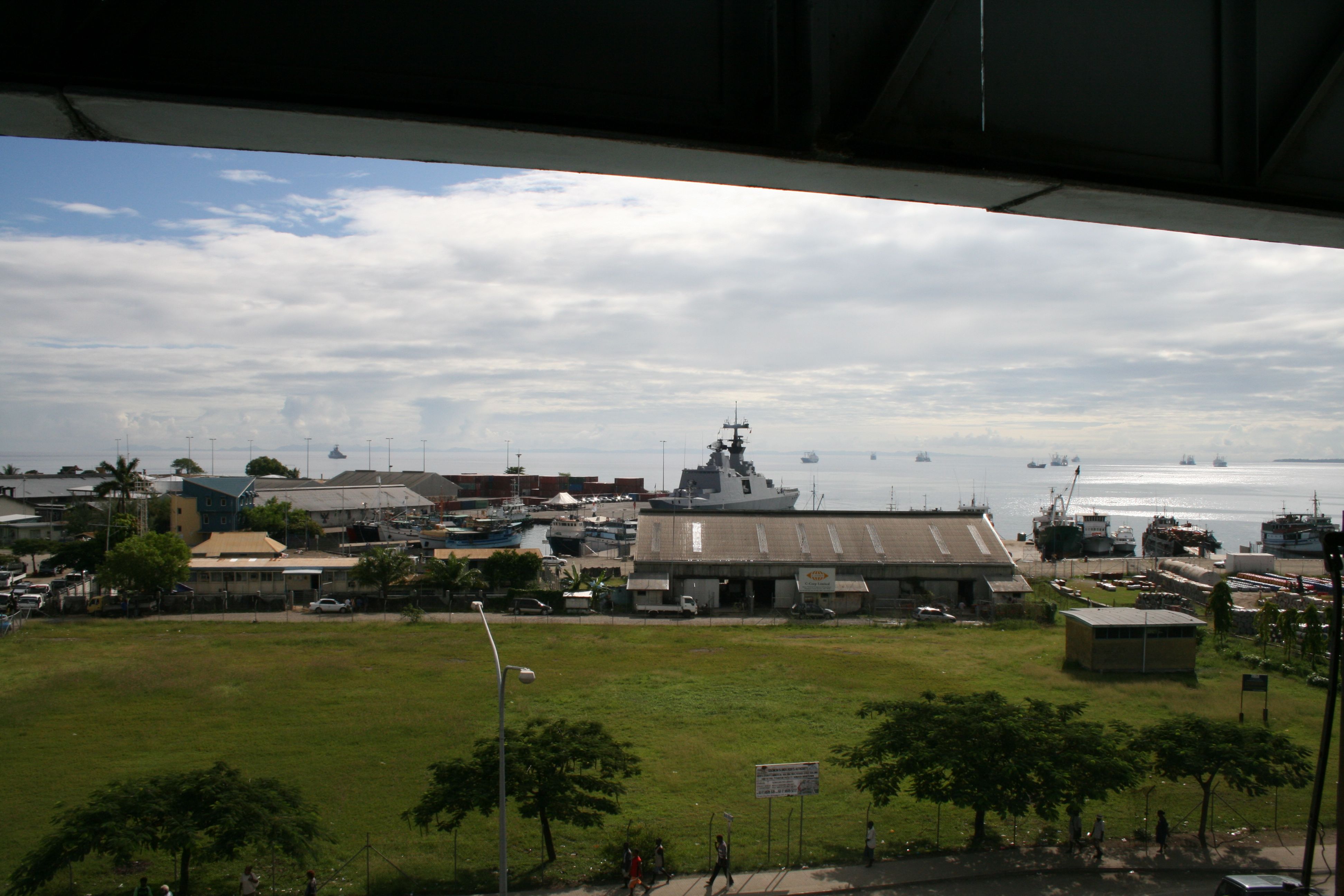
Monday 4 May, 2009, 9:am
Posted in May 4 9am, PHOTOS AND IMAGES
Posted by: nativeiowan | May 3, 2009
where we belong
Posted by: nativeiowan | May 3, 2009
Cmas 2008
Amazing what can transpire as you are just… hanging out, driving along, having fun…
Sorta like you run wild and free then wake up one morning to find you’re a 52 year old overweight kid with a twinge of arthritis and a couple blown lumbar disks.
Amazing, literally amazing…
Had a big Cmas eve last night and a huge Cmas morn with an army of people I now claim as my family. This includes but is not limited to…
Son, Jeff & wife Viola with their sons Abraham and Andrew
Daughter, Annie & Husband Tony with their son Angelo and daughters Angelina and Anna
Son, Don with son Mendozza
Son, Osborne & wife Bridgett with their sons Jimmy and Mac
Daughter Connie
Son Paul
Auntie Salumata
Nephew Bowman
Granddaughter Natasha (Barbara’s daughter)
Rhodesian Ridgebacks, Chewie, Bean and Jelly
Son Terry and his new bride Valarie arrive in from Gizo at noon today
Had the “Chrissie Barbie” last eve. Got the kids chased away at midnight then Connie, Don, Paul, Grace and I played the Santa gig and wrapped presents until 4 am.
Abraham, Angelo and Dozer slept here so they were up early into their stockings and hanging impatiently until after 9 when Annie and Jeff’s families showed up for the destruction of the presents that were under the tree.
So, yea, as you drive along, thinking life is going swimmingly; you wake up one morning to find you claim no less than 7 children and now 9 grandchildren. How’d that happen?
It is all my own fault. Don’t laugh. I’ll admit it…
I demanded this year that I got all the clan here together for a kids’ Cmas. I was not 100% conscience of what I was getting into but I thought it’d be a hoot to have the little ones (and the big ones) do the sugar rushed Santa jig. So I got what I asked for. Dozer and Angelo helping Connie hand out a mountain of over wrapped gifts. The 2 babies (Anna and Mac) were struggling just watching all the colourful paper. Big guys Abraham and Natasha acting cool as they got underwear and books whilst the middle sized guys like Andrew, Dozer and Angelo got battery powered trucks and tanks that make a lot, too much, noise. The mobile destruction units like Jimmy and Angelina tearing through refuse as fast as they could manoeuvre.
The moms struggling between their own presents and controlling the little ones.
The dads as usual were doing little at all.
I’ll say that my ridgebacks are the best behaved in my family.
So we’re done with the presents. I’ve laid my old wresting mats outside so they can have a place to play, hangout, sleep and make messes. And let me sit here in some semblance of quietude. Paul is heading the cooking staff for the bbq’d feast we have on the cards…We’ll have our Honiara house staff (9 security guards and 2 house keepers)… And their families) show up around noon for an afternoon in the pool, too much candy and sugar rush with grog for the guys, fine champagne for the ladies and even more sugary soft drinks for the kids.
It’ll be fun.
So 08 is over. It’s been an interesting year.
Fuel is in the $30.00 a barrel range…. After starting the year at $80.00, reaching 150.00 and then dropping to 1991 levels in less than 4 months.
The USA has a “coloured” President… Can’t call him black… My family is from the far western province and we do know what black is.
War, conflict, strife, violence and anarchy abound, but then, is this anything new?
The Solomons have stumbled along. I do believe God loves Melanesia so we do survive but in despite of the leaders of the nation rather than in accordance with their sage and judicious use of power and position.
I received my Solomon citizenship in February of this year. After a complete 27 years as a resident they caved in and allowed me to become a member of the elite club. I know, stupid of them, eh?
Of course being a citizen ( in my capacity of boss of the big oil company, Chairman of the Chamber of Commerce and self appointed rabble rouser, vocal minority leader and general opposition party to the government of the day) is, shall we say, useful. For grins and giggles I enclose my end year letter to the editor. (Apologies to those who have already received this document)
Life is good for me and mine. The little one get big. The big ones get ugly. My dogs are beautiful.
It’s a few minutes before noon and the pool is in full swing. The policing requirements to avoid serious injury are strict here so I may start moving out and monitor the situation there.
I pass my very best energy and kind thoughts to all. I especially wish to note the kind friendship, support and company of…
Sullen Eschenbach who has allowed me the use of her husband, Willis, in making this oil company gig work so well. You are a star MisSellen.
Dok Rob Guild for being a constant and wise friend that I get to see (briefly) every couple months or so.
Dok Chris Filardi for his ever energetic company, intelligent discourse and frenetic sharing of lives.
Uncle JHH Beverley for his constant if sometimes pointed guidance and advice.
Mama Connie Kirton for being base camp Brisbane for the Hemmer clan.
Now I have lost some of my email addresses in a recent computer clean up and may not get this to all involved so…
Willis please forward to MisSellen.
If anyone knows where Uncle Teddy Selman is let me know.
Mama Connie, Please forward on to the bad boy in Hong Kong.
Tracey, Tonia or Jane… Circulate through the clan there… I do have many addresses for the folks in Iowa.
And feel free to share liberally the news from the Hemmer Clan of the Solomons.
Tropical warmth, sunshine and smiles to all….
Posted in Cmas 2008, DATED COMMENTARY
Posted by: nativeiowan | May 3, 2009
The Terrible Solomons (by Jack London)
There is no gainsaying that the Solomons are a hard-bitten bunch of islands. On the other hand, there are worse places in the world. But to the new chum who has no constitutional understanding of men and life in the rough, the Solomons may indeed prove terrible.
It is true that fever and dysentery are perpetually on the walk-about, that loathsome skin diseases abound, that the air is saturated with a poison that bites into every pore, cut, or abrasion and plants malignant ulcers, and that many strong men who escape dying there return as wrecks to their own countries. It is also true that the natives of the Solomons are a wild lot, with a hearty appetite for human flesh and a fad for collecting human heads. Their highest instinct of sportsmanship is to catch a man with his back turned and to smite him a cunning blow with a tomahawk that severs the spinal column at the base of the brain. It is equally true that on some islands, such as Malaita, the profit and loss account of social intercourse is calculated in homicides. Heads are a medium of exchange, and white heads are extremely valuable. Very often a dozen villages make a jack-pot, which they fatten moon by moon, against the time when some brave warrior presents a white man’s head, fresh and gory, and claims the pot.
All the foregoing is quite true, and yet there are white men who have lived in the Solomons a score of years and who feel homesick when they go away from them. A man needs only to be careful– and lucky–to live a long time in the Solomons; but he must also be of the right sort. He must have the hallmark of the inevitable white man stamped upon his soul. He must be inevitable. He must have a certain grand carelessness of odds, a certain colossal self-satisfaction, and a racial egotism that convinces him that one white is better than a thousand niggers every day in the week, and that on Sunday he is able to clean out two thousand niggers. For such are the things that have made the white man inevitable. Oh, and one other thing–the white man who wishes to be inevitable, must not merely despise the lesser breeds and think a lot of himself; he must also fail to be too long on imagination. He must not understand too well the instincts, customs, and mental processes of the blacks, the yellows, and the browns; for it is not in such fashion that the white race has tramped its royal road around the world.
Bertie Arkwright was not inevitable. He was too sensitive, too finely strung, and he possessed too much imagination. The world was too much with him. He projected himself too quiveringly into his environment. Therefore, the last place in the world for him to come was the Solomons. He did not come, expecting to stay. A five weeks’ stop-over between steamers, he decided, would satisfy the call of the primitive he felt thrumming the strings of his being. At least, so he told the lady tourists on the Makembo, though in different terms; and they worshipped him as a hero, for they were lady tourists and they would know only the safety of the steamer’s deck as she threaded her way through the Solomons.
There was another man on board, of whom the ladies took no notice. He was a little shriveled wisp of a man, with a withered skin the color of mahogany. His name on the passenger list does not matter, but his other name, Captain Malu, was a name for niggers to conjure with, and to scare naughty pickaninnies to righteousness from New Hanover to the New Hebrides. He had farmed savages and savagery, and from fever and hardship, the crack of Sniders and the lash of the overseers, had wrested five millions of money in the form of beche-de-mer, sandalwood, pearl-shell and turtle-shell, ivory nuts and copra, grasslands, trading stations, and plantations. Captain Malu’s little finger, which was broken, had more inevitableness in it than Bertie Arkwright’s whole carcass. But then, the lady tourists had nothing by which to judge save appearances, and Bertie certainly was a fine-looking man.
Bertie talked with Captain Malu in the smoking room, confiding to him his intention of seeing life red and bleeding in the Solomons. Captain Malu agreed that the intention was ambitious and honorable. It was not until several days later that he became interested in Bertie, when that young adventurer insistedon showing him an automatic 44-caliber pistol. Bertie explained the mechanism and demonstrated by slipping a loaded magazine up the hollow butt.
“It is so simple,” he said. He shot the outer barrel back along the inner one. “That loads it and cocks it, you see. And then all I have to do is pull the trigger, eight times, as fast as I can quiver my finger. See that safety clutch. That’s what I like about it. It is safe. It is positively fool-proof.” He slipped out the magazine. “You see how safe it is.”
As he held it in his hand, the muzzle came in line with Captain Malu’s stomach. Captain Malu’s blue eyes looked at it unswervingly.
“Would you mind pointing it in some other direction?” he asked.
“It’s perfectly safe,” Bertie assured him. “I withdrew the magazine. It’s not loaded now, you know.”
“A gun is always loaded.”
“But this one isn’t.”
“Turn it away just the same.”
Captain Malu’s voice was flat and metallic and low, but his eyes never left the muzzle until the line of it was drawn past him and away from him.
“I’ll bet a fiver it isn’t loaded,” Bertie proposed warmly.
The other shook his head.
“Then I’ll show you.”
Bertie started to put the muzzle to his own temple with the evident intention of pulling the trigger.
“Just a second,” Captain Malu said quietly, reaching out his hand. “Let me look at it.”
He pointed it seaward and pulled the trigger. A heavy explosion followed, instantaneous with the sharp click of the mechanism that flipped a hot and smoking cartridge sidewise along the deck.
Bertie’s jaw dropped in amazement.
“I slipped the barrel back once, didn’t I?” he explained. It was silly of me, I must say.”
He giggled flabbily, and sat down in a steamer chair. The blood had ebbed from his face, exposing dark circles under his eyes. His hands were trembling and unable to guide the shaking cigarette to his lips. The world was too much with him, and he saw himself with dripping brains prone upon the deck
“Really,” he said, “. . . really.”
“It’s a pretty weapon,” said Captain Malu, returning the automatic to him.
The Commissioner was on board the Makembo, returning from Sydney, and by his permission a stop was made at Ugi to land a missionary. And at Ugi lay the ketch Arla, Captain Hansen, skipper. Now the Arla was one of many vessels owned by Captain Malu, and it was at his suggestion and by his invitation that Bertie went aboard the Arla as guest for a four days’ recruiting cruise on the coast of Malaita. Thereafter the Arla would drop him at Reminge Plantation (also owned by Captain Malu), where Bertie could remain for a week, and then be sent over to Tulagi, the seat of government, where he would become the Commissioner’s guest. Captain Malu was responsible for two other suggestions, which given, he disappears from this narrative. One was to Captain Hansen, the other to Mr. Harriwell, manager of Reminge Plantation. Both suggestions were similar in tenor, namely, to give Mr. Bertram Arkwright an insight into the rawness and redness of life in the Solomons. Also, it is whispered that Captain Malu mentioned that a case of Scotch would be coincidental with any particularly gorgeous insight Mr. Arkwright might receive. . . . . . . . . . . . .
“Yes, Swartz always was too pig-headed. You see, he took four of his boat’s crew to Tulagi to be flogged–officially, you know–then started back with them in the whaleboat. It was pretty squally, and the boat capsized just outside. Swartz was the only one drowned. Of course, it was an accident.”
“Was it? Really?” Bertie asked, only half-interested, staring hard at the black man at the wheel.
Ugi had dropped astern, and the Arla was sliding along through a summer sea toward the wooded ranges of Malaita. The helmsman who so attracted Bertie’s eyes sported a ten penny nail, stuck skewerwise through his nose. About his neck was a string of pants buttons. Thrust through holes in his ears were a can opener, the broken handle of a toothbrush, a clay pipe, the brass wheel of an alarm clock, and several Winchester rifle cartridges.
On his chest, suspended from around his neck hung the half of a china plate. Some forty similarly appareled blacks lay about the deck, fifteen of which were boat’s crew, the remainder being fresh labor recruits.
“Of course it was an accident,” spoke up the Arla’s mate, Jacobs, a slender, dark-eyed man who looked more a professor than a sailor. “Johnny Bedip nearly had the same kind of accident. He was bringing back several from a flogging, when they capsized him. But he knew how to swim as well as they, and two of them were drowned. He used a boat stretcher and a revolver. Of course it was an accident.”
“Quite common, them accidents,” remarked the skipper. “You see that man at the wheel, Mr. Arkwright? He’s a man eater. Six months ago, he and the rest of the boat’s crew drowned the then captain of the Arla. They did it on deck, sir, right aft there by the mizzen-traveler.”
“The deck was in a shocking state,” said the mate.
“Do I understand–?” Bertie began.
“Yes, just that,” said Captain Hansen. “It was an accidental drowning.”
“But on deck–?”
“Just so. I don’t mind telling you, in confidence, of course, that they used an axe.”
“This present crew of yours?”
Captain Hansen nodded.
“The other skipper always was too careless,” explained the mate. He but just turned his back, when they let him have it.”
“We haven’t any show down here,” was the skipper’s complaint. “The government protects a nigger against a white every time. You can’t shoot first. You’ve got to give the nigger first shot, or else the government calls it murder and you go to Fiji. That’s why there’s so many drowning accidents.”
Dinner was called, and Bertie and the skipper went below, leaving the mate to watch on deck.
“Keep an eye out for that black devil, Auiki,” was the skipper’s parting caution. “I haven’t liked his looks for several days.”
“Right O,” said the mate.
Dinner was part way along, and the skipper was in the middle of his story of the cutting out of the Scottish Chiefs.
“Yes,” he was saying, “she was the finest vessel on the coast. But when she missed stays, and before ever she hit the reef, the canoes started for her. There were five white men, a crew of twenty Santa Cruz boys and Samoans, and only the supercargo escaped. Besides, there were sixty recruits. They were all kai-kai’d. Kai-kai?–oh, I beg your pardon. I mean they were eaten. Then there was the James Edwards, a dandy-rigged–”
But at that moment there was a sharp oath from the mate on deck and a chorus of savage cries. A revolver went off three times, and then was heard a loud splash. Captain Hansen had sprung up the companionway on the instant, and Bertie’s eyes had been fascinated by a glimpse of him drawing his revolver as he sprang.
Bertie went up more circumspectly, hesitating before he put his head above the companionway slide. But nothing happened. The mate was shaking with excitement, his revolver in his hand. Once he startled, and half-jumped around, as if danger threatened his back.
“One of the natives fell overboard,” he was saying, in a queer tense voice. “He couldn’t swim.”
“Who was it?” the skipper demanded.
“Auiki,” was the answer.
“But I say, you know, I heard shots,” Bertie said, in trembling eagerness, for he scented adventure, and adventure that was happily over with.
The mate whirled upon him, snarling:
“It”s a damned lie. There ain’t been a shot fired. The nigger fell overboard.”
Captain Hansen regarded Bertie with unblinking, lack-luster eyes.
“I–I thought–” Bertie was beginning.
“Shots?” said Captain Hansen, dreamily. “Shots? Did you hear any shots, Mr. Jacobs?”
“Not a shot,” replied Mr. Jacobs.
The skipper looked at his guest triumphantly, and said:
“Evidently an accident. Let us go down, Mr. Arkwright, and finish dinner.”
Bertie slept that night in the captain’s cabin, a tiny stateroom off the main cabin. The for’ard bulkhead was decorated with a stand of rifles. Over the bunk were three more rifles. Under the bunk was a big drawer, which, when he pulled it out, he found filled with ammunition, dynamite, and several boxes of detonators. He elected to take the settee on the opposite side. Lying conspicuously on the small table, was the Arla’s log. Bertie did not know that it had been especially prepared for the occasion by Captain Malu, and he read therein how on September 21, two boat’s crew had fallen overboard and been drowned. Bertie read between the lines and knew better. He read how the Arla’s whale boat had been bushwhacked at Su’u and had lost three men; of how the skipper discovered the cook stewing human flesh on the galley fire–flesh purchased by the boat’s crew ashore in Fui; of how an accidental discharge of dynamite, while signaling, had killed another boat’s crew; of night attacks; ports fled from between the dawns; attacks by bushmen in mangrove swamps and by fleets of salt-water men in the larger passages. One item that occurred with monotonous frequency was death by dysentery. He noticed with alarm that two white men had so died–guests, like himself, on the Arla.
“I say, you know,” Bertie said next day to Captain Hansen. “I’ve been glancing through your log.”
The skipper displayed quick vexation that the log had been left lying about.
“And all that dysentery, you know, that’s all rot, just like the accidental drownings,” Bertie continued. “What does dysentery really stand for?”
The skipper openly admired his guest’s acumen, stiffened himself to make indignant denial, then gracefully surrendered.
“You see, it’s like this, Mr. Arkwright. These islands have got a bad enough name as it is. It’s getting harder every day to sign on white men. Suppose a man is killed. The company has to pay through the nose for another man to take the job. But if the man merely dies of sickness, it’s all right. The new chums don’t mind disease. What they draw the line at is being murdered. I thought the skipper of the Arla had died of dysentery when I took his billet. Then it was too late. I’d signed the contract.”
“Besides,” said Mr. Jacobs, “there’s altogether too many accidental drownings anyway. It don’t look right. It’s the fault of the government. A white man hasn’t a chance to defend himself from the niggers.”
“Yes, look at the Princess and that Yankee mate,” the skipper took up the tale. “She carried five white men besides a government agent. The captain, the agent, and the supercargo were ashore in the two boats. They were killed to the last man. The mate and boson, with about fifteen of the crew–Samoans and Tongans–were on board. A crowd of niggers came off from shore. First thing the mate knew, the boson and the crew were killed in the first rush. The mate grabbed three cartridge belts and two Winchesters and skinned up to the cross-trees. He was the sole survivor, and you can’t blame him for being mad. He pumped one rifle till it got so hot he couldn’t hold it, then he pumped the other. The deck was black with niggers. He cleaned them out. He dropped them as they went over the rail, and he dropped them as fast as they picked up their paddles. Then they jumped into the water and started to swim for it, and being mad, he got half a dozen more. And what did he get for it?”
“Seven years in Fiji,” snapped the mate.
“The government said he wasn’t justified in shooting after they’d taken to the water,” the skipper explained.
“And that’s why they die of dysentery nowadays,” the mate added.
“Just fancy,” said Bertie, as he felt a longing for the cruise to be over.
Later on in the day he interviewed the black who had been pointed out to him as a cannibal. This fellow’s name was Sumasai. He had spent three years on a Queensland plantation. He had been to Samoa, and Fiji, and Sydney; and as a boat’s crew had been on recruiting schooners through New Britain, New Ireland, New Guinea, and the Admiralties. Also, he was a wag, and he had taken a line on his skipper’s conduct. Yes, he had eaten many men. How many? He could not remember the tally. Yes, white men, too; they were very good, unless they were sick. He had once eaten a sick one.
“My word!” he cried, at the recollection. “Me sick plenty along him. ‘my belly walk about too much.”
Bertie shuddered, and asked about heads. Yes, Sumasai had several hidden ashore, in good condition, sun-dried, and smoke-cured. One was of the captain of a schooner. It had long whiskers. He would sell it for two quid. Black men’s heads he would sell for one quid. He had some pickaninny heads, in poor condition, that he would let go for ten bob.
Five minutes afterward, Bertie found himself sitting on the companionway-slide alongside a black with a horrible skin disease. He sheered off, and on inquiry was told that it was leprosy. He hurried below and washed himself with antiseptic soap. He took many antiseptic washes in the course of the day, for every native on board was afflicted with malignant ulcers of one sort or another.
As the Arla drew in to an anchorage in the midst of mangrove swamps, a double row of barbed wire was stretched around above her rail. That looked like business, and when Bertie saw the shore canoes alongside, armed with spears, bows and arrows, and Sniders, he wished more earnestly than ever that the cruise was over.
That evening the natives were slow in leaving the ship at sundown. A number of them checked the mate when he ordered them ashore. “Never mind, I’ll fix them,” said Captain Hansen, diving below.
When he cam back, he showed Bertie a stick of dynamite attached to a fish hook. Now it happens that a paper-wrapped bottle of chlorodyne with a piece of harmless fuse projecting can fool anybody. It fooled Bertie, and it fooled the natives. When Captain Hansen lighted the fuse and hooked the fish hook into the tail end of a native’s loin cloth, that native was smitten with so an ardent a desire for the shore that he forgot to shed the loin cloth. He started for’ard, the fuse sizzling and spluttering at his rear, the natives in his path taking headers over the barbed wire at every jump. Bertie was horror-stricken. So was Captain Hansen. He had forgotten his twenty-five recruits, on each of which he had paid thirty shillings advance. They went over the side along with the shore-dwelling folk and followed by him who trailed the sizzling chlorodyne bottle.
Bertie did not see the bottle go off; but the mate opportunely discharging a stick of real dynamite aft where it would harm nobody, Bertie would have sworn in any admiralty court to a nigger blown to flinders. The flight of the twenty-five recruits had actually cost the Arla forty pounds, and, since they had taken to the bush, there was no hope of recovering them. The skipper and his mate proceeded to drown their sorrow in cold tea.
The cold tea was in whiskey bottles, so Bertie did not know it was cold tea they were mopping up. All he knew was that the two men got very drunk and argued eloquently and at length as to whether the exploded nigger should be reported as a case of dysentery or as an accidental drowning. When they snored off to sleep, he was the only white man left, and he kept a perilous watch till dawn, in fear of an attack from shore and an uprising of the crew.
Three more days the Arla spent on the coast, and three more nights the skipper and the mate drank overfondly of cold tea, leaving Bertie to keep the watch. They knew he could be depended upon, while he was equally certain that if he lived, he would report their drunken conduct to Captain Malu. Then the Arla dropped anchor at Reminge Plantation, on Guadalcanar, and Bertie landed on the beach with a sigh of relief and shook hands with the manager. ‘mr. Harriwell was ready for him.
“Now you mustn’t be alarmed if some of our fellows seem downcast,” Mr. Harriwell said, having drawn him aside in confidence. “There’s been talk of an outbreak, and two or three suspicious signs I’m willing to admit, but personally I think it’s all poppycock.”
“How–how many blacks have you on the plantation?” Bertie asked, with a sinking heart.
“We’re working four hundred just now,” replied Mr. Harriwell, cheerfully; but the three of us, with you, of course, and the skipper and mate of the Arla, can handle them all right.”
Bertie turned to meet one McTavish, the storekeeper, who scarcely acknowledged the introduction, such was his eagerness to present his resignation.
“It being that I’m a married man, Mr. Harriwell, I can’t very well afford to remain on longer. Trouble is working up, as plain as the nose on your face. The niggers are going to break out, and there’ll be another Hohono horror here.”
“What’s a Hohono horror?” Bertie asked, after the storekeeper had been persuaded to remain until the end of the month.
“Oh, he means Hohono Plantation, on Ysabel,” said the manager. “The niggers killed the five white men ashore, captured the schooner, killed the captain and mate, and escaped in a body to Malaita. But I always said they were careless on Hohono. They won’t catch us napping here. Come along, Mr. Arkwright, and see our view from the veranda.”
Bertie was too busy wondering how he could get away to Tulagi to the Commissioner’s house, to see much of the view. He was still wondering, when a rifle exploded very near to him, behind his back. At the same moment his arm was nearly dislocated, so eagerly did Mr. Harriwell drag him indoors.
“I say, old man, that was a close shave,” said the manager, pawing him over to see if he had been hit. “I can’t tell you how sorry I am. But it was broad daylight, and I never dreamed.”
Bertie was beginning to turn pale.
“They got the other manager that way,” McTavish vouchsafed. “And a dashed fine chap he was. Blew his brains out all over the veranda. You noticed that dark stain there between the steps and the door?”
Bertie was ripe for the cocktail which Mr. Harriwell pitched in and compounded for him; but before he could drink it, a man in riding trousers and puttees entered.
“What’s the matter now?” the manager asked, after one look at the newcomer’s face. “Is the river up again?”
“River be blowed–it’s the niggers. Stepped out of the cane grass, not a dozen feet away, and whopped at me. It was a Snider, and he shot from the hip. Now what I want to know is where’d he get that Snider?–Oh, I beg pardon. Glad to know you, Mr. Arkwright.”
“Mr. Brown is my assistant,” explained Mr. Harriwell. “And now let’s have that drink.”
“But where’d he get that Snider?” Mr. Brown insisted. “I always objected to keeping those guns on the premises.”
“They’re still there,” Mr. Harriwell said, with a show of heat.
Mr. Brown smiled incredulously.
“Come along and see,” said the manager.
Bertie joined the procession into the office, where Mr. Harriwell pointed triumphantly at a big packing case in a dusty corner.
“Well, then where did the beggar get that Snider?” harped Mr. Brown.
But just then McTavish lifted the packing case. The manager started, then tore off the lid. The case was empty. They gazed at one another in horrified silence. Harriwell drooped wearily.
Then McVeigh cursed.
“What I contended all along–the house-boys are not to be trusted.”
“It does look serious,” Harriwell admitted, “but we’ll come through it all right. What the sanguinary niggers need is a shaking up. Will you gentlemen please bring your rifles to dinner, and will you, Mr. Brown, kindly prepare forty or fifty sticks of dynamite. ‘make the fuses good and short. We’ll give them a lesson. And now, gentlemen, dinner is served.”
One thing that Bertie detested was rice and curry, so it happened that he alone partook of an inviting omelet. He had quite finished his plate, when Harriwell helped himself to the omelet. One mouthful he tasted, then spat out vociferously.
“That’s the second time,” McTavish announced ominously.
Harriwell was still hawking and spitting.
“Second time, what?” Bertie quavered.
“Poison,” was the answer. “That cook will be hanged yet.”
“That’s the way the bookkeeper went out at Cape March,” Brown spoke up. “Died horribly. They said on the Jessie that they heard him screaming three miles away.”
“I’ll put the cook in irons,” sputtered Harriwell. “Fortunately we discovered it in time.”
Bertie sat paralyzed. There was no color in his face. He attempted to speak, but only an inarticulate gurgle resulted. All eyed him anxiously.
“Don’t say it, don’t say it,” McTavish cried in a tense voice.
“Yes, I ate it, plenty of it, a whole plateful!” Bertie cried explosively, like a diver suddenly regaining breath.
The awful silence continued half a minute longer, and he read his fate in their eyes.
“Maybe it wasn’t poison after all,” said Harriwell, dismally.
“Call in the cook,” said Brown.
In came the cook, a grinning black boy, nose-spiked and ear-plugged.
“Here, you, Wi-wi, what name that?” Harriwell bellowed, pointing accusingly at the omelet.
Wi-wi was very naturally frightened and embarrassed.
“Him good fella kai-kai,” he murmured apologetically.
“Make him eat it,” suggested McTavish. “That’s a proper test.”
Harriwell filled a spoon with the stuff and jumped for the cook, who fled in panic.
“That settles it,” was Brown’s solemn pronouncement. “He won’t eat it.”
“Mr. Brown, will you please go and put the irons on him?” Harriwell turned cheerfully to Bertie. “It’s all right, old man, the Commissioner will deal with him, and if you die, depend upon it, he will be hanged.”
“Don’t think the government’ll do it,” objected McTavish.
“But gentlemen, gentlemen,” Bertie cried. “In the meantime think of me.”
Harriwell shrugged his shoulders pityingly.
“Sorry, old man, but it’s a native poison, and there are no known antidotes for native poisons. Try and compose yourself and if–”
Two sharp reports of a rifle from without, interrupted the discourse, and Brown, entering, reloaded his rifle and sat down to table.
“The cook’s dead,” he said. “Fever. A rather sudden attack.”
“I was just telling Mr. Arkwright that there are no antidotes for native poisons–”
“Except gin,” said Brown.
Harriwell called himself an absent-minded idiot and rushed for the gin bottle.
“Neat, man, neat,” he warned Bertie, who gulped down a tumbler two-thirds full of the raw spirits, and coughed and choked from the angry bite of it till the tears ran down his cheeks.
Harriwell took his pulse and temperature, made a show of looking out for him, and doubted that the omelet had been poisoned. Brown and McTavish also doubted; but Bertie discerned an insincere ring in their voices. His appetite had left him, and he took his own pulse stealthily under the table. There was no question but what it was increasing, but he failed to ascribe it to the gin he had taken. ‘mcTavish, rifle in hand, went out on the veranda to reconnoiter.
“They’re massing up at the cook-house,” was his report. “And they’ve no end of Sniders. ‘my idea is to sneak around on the other side and take them in flank. Strike the first blow, you know. Will you come along, Brown?”
Harriwell ate on steadily, while Bertie discovered that his pulse had leaped up five beats. Nevertheless, he could not help jumping when the rifles began to go off. Above the scattering of Sniders could be heard the pumping of Brown’s and McTavish’s Winchesters–all against a background of demoniacal screeching and yelling.
“They’ve got them on the run,” Harriwell remarked, as voices and gunshots faded away in the distance.
Scarcely were Brown and McTavish back at the table when the latter reconnoitered.
“They’ve got dynamite,” he said.
“Then let’s charge them with dynamite,” Harriwell proposed.
Thrusting half a dozen sticks each into their pockets and equipping themselves with lighted cigars, they started for the door. And just then it happened. They blamed McTavish for it afterward, and he admitted that the charge had been a trifle excessive. But at any rate it went off under the house, which lifted up cornerwise and settled back on its foundations. Half the china on the table was shattered, while the eight-day clock stopped. Yelling for vengeance, the three men rushed out into the night, and the bombardment began.
When they returned, there was no Bertie. He had dragged himself away to the office, barricaded himself in, and sunk upon the floor in a gin-soaked nightmare, wherein he died a thousand deaths while the valorous fight went on around him. In the morning, sick and headachey from the gin, he crawled out to find the sun still in the sky and God presumable in heaven, for his hosts were alive and uninjured.
Harriwell pressed him to stay on longer, but Bertie insisted on sailing immediately on the Arla for Tulagi, where, until the following steamer day, he stuck close by the Commissioner’s house. There were lady tourists on the outgoing steamer, and Bertie was again a hero, while Captain Malu, as usual, passed unnoticed. But Captain Malu sent back from Sydney two cases of the best Scotch whiskey on the market, for he was not able to make up his mind as to whether it was Captain Hansen or Mr Harriwell who had given Bertie Arkwright the more gorgeous insight into life in the Solomons.
Posted by: nativeiowan | May 3, 2009
life force
Posted by: nativeiowan | April 26, 2009
fishing with frigates / sleeping under sago
Posted by: nativeiowan | April 26, 2009
a meaningful meeting
Posted by: nativeiowan | April 26, 2009
Flying High
Posted by: nativeiowan | April 26, 2009


January 18, 2003…
I’m such a nice guy… I don’t make the crew start work until 9:30 on Saturdays. Lots of work to do. But, hell, it’s Saturday.
I slept in. by 7:30am the sun was so bright you had to get out of bed. I had woke up at 4:30 am, 5:30 am, 6:30 am and each time, merrily remembered I got to sleep in, rolled over and continued my mundane dreaming.
The kids were late. Only Paul and Natasha (the only two who spent last night in my house) made it to breakfast. We were pretty much on time. Spent the morning cleaning up old drums, repainting them, etc. I ran around, hassled with the electric authority and answered emails and faxes.
I leave on Monday for 10 days. Now that we own the depot I don’t like being away. It’s easier right now in that we are way low of fuel. Will be completely out next week. Have heaps of work to do and could use a couple weeks of no fuel for maintenance.
One big project we are just finishing is setting the navigation aids in the harbor. Over the years the nav-aids have fallen down, been vandalized or simply stolen. We have messed around a lot with this issue this year. If the nav-aids are not right the tanker cannot come into the harbor. If the tanker doesn’t come in we don’t get fuel. The gov’t is mismanaged and claims no money for the repair of such things. Thus I have spent time and money this year working on it all.
The last beacon is ready to go in. I fabricated it on the wharf. It is 3 old oil drums loaded with Steel and concrete. I took an 8-inch PVC pipe and used it as the first 12 feet of the “post”. We tied it to the base with steel rods and concreted it into the base. We then man-handled the empty post and the heavy concrete base (it has to weight 4 to 500 kgs) to the wharf where we dumped it in 10 feet of water. Terry and his crew then inserted a 1″ pipe 24 feet long into a PCV pipe 3 inches in diameter and filled the 3″ pipe with concrete. This pipe went into t he 8″ pipe and was subsequently concreted in. So we have a big, heavy base. 12 feet of 8″ pipe and 12 feel of 3″ pipe with a red beacon on the top and a steep pipe in the middle. I figure it should do the trick and last quite a while.
So all of this is in the ocean off my wharf. I figured I could make “lift bags” out of drums, tie the drums to the base and float the entire shebang then tow it to the place where it has to go. I have done under water lifting before. It is not that hard.
I’m in the water. Tying ropes, getting drums set. One drum leaks bad. I discard it. I get another drum set perfectly. It is under water but has enough positive buoyancy to be in place. The ropes are balanced and tight.
The drum is 6 to 8 feet under water. All I have to do is get another 3 or 4 drums set and the whole show will be able to be floated off the bottom.
I sink a couple more drums. My helpers don’t have a clear idea of what I am doing so they do not realize I do not want the drums to sink and lay down on the bottom. I want to partially sink them. Keep some buoyancy so they float just above the base I want to lift.
Two drums are floating above me. I have their ropes in my hand. I grab the hook we made to tie the ropes to and pull the drums down. The boys did not close the bung lid on the drum. The air is venting out and losing its buoyancy. I stick my head under the drum and exhale so my air will flow into the holes in the bottom of the drum. I have the ropes in one hand the base in the other. My ears are under pressure but I can’t “clear”. My hands are both busy. I have the buoyancy of the drums equalized. I have to tie them to the base then go up and tighten the bung.
My ear pops. Needles of pain shoot through my neck and I feel water rush down the side of my neck. It is a terrible feeling. A wrong feeling. I just blew an eardrum.
At the same time the drums lose buoyancy and drop to the bottom. My right leg cramps and I am pretty unhappy with myself.
I surface and the boys don’t have a clue what is wrong. I am probably unfair to them but as “tenders” on a project they should be paying attention. Not the case.
So we end the day without having completed our projects. With a blown eardrum (I have done this once before and it does heal) I can’t dive for a while. I’ll have to get someone else to do the lift for me.
Life could be worse. I head out of here soon. My ear will mend. We will get the lift completed. It was one of those sad / ego trips. I wanted to show my guys how to do it and “show off” a bit in doing so. Just goes to show that activities surrounded by ego inspired intentions usually end in a fucked up finale’.
Share this:
Leave a Comment
Posted in DATED COMMENTARY, Saturday at Work