Been raining. A fair bit. It has filled the tanks and swollen the creek… It is Wett!
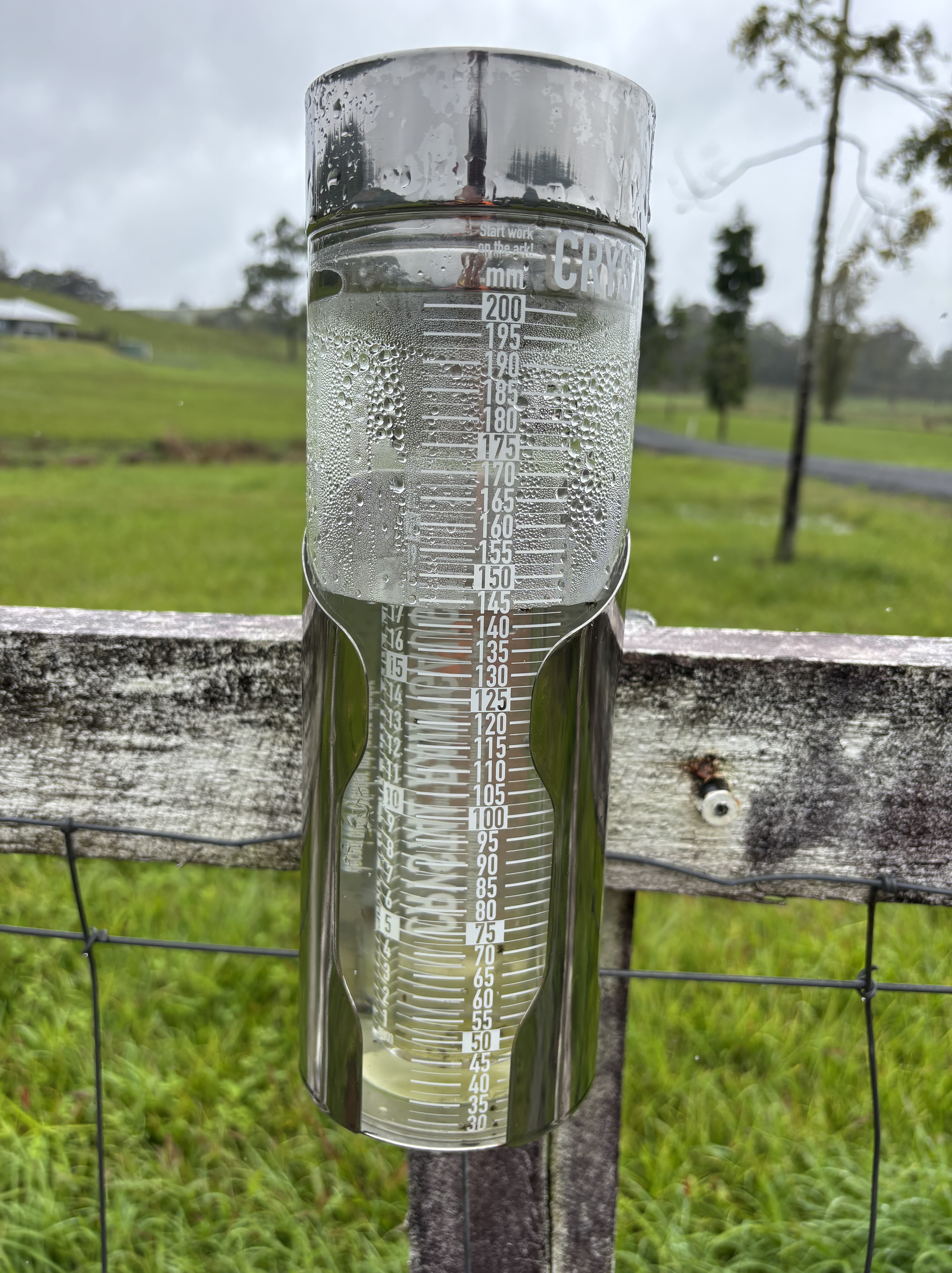
Thats 145mm/ 10inches of precipitation in the past week. Some places around us have had twice as much. We’re about 40km/ 25miles from the coast. The coast almost always gets more rain than we do.
At the same time Gizo, Solomon Islands is Dryy. Been without rain for a long time.
Gizo is like the farm, rain catchment is what makes life wett. No mains supply of “city water” exists. Large water tanks collect the water from the roof(s). You store your water for future use. No rain eventuates in no water.
No water is no good.
Just a few weeks ago we were running low here on the farm. I have 3 large tanks plumbed into the big house. Water awareness is something you learn. You pay attention to your tanks and know what you have. If you are running low you become a water conservationist. You flush the toilet less. Have shorter showers.
The average person takes water for granted.
I just spoke to the family in Gizo… the school is closed. I’m sure many government employees have taken an early Christmas, headed back to their villages where there is water.
Life gets difficult quickly when you dont have water…
It’s a good skill to possess, water awareness.
And there is little that feels as good as your tanks being full.
So we have France subjected to “peaceful protests” that result in massive violence, damage, looting and general peaceful street fun.
In Australia we have a Member of Parliament that was targeted and rammed by a guy in a Land Cruiser. The said MP is in critical condition.
Elections in the USA gives us numerous street party type rallies. A combination of “No Kings” plus protesting the shooting of an illegal criminal, added with general boredom brings out a combination of lonely cat-ladies, kids who live in the basement, and a guy or two trying to get laid.
I like the combination of flags shown in this picture… Not sure if we’re confused, ignorant, or just plan stoopid.
I must say that folks are filled with some form of unease, angst, unhappiness that I find hard to define. I belive it has much, much to do with toxic echo chambers. Folk live in, exist for their “feed”, their “newz”, their motivation to be angry.
Me, I try to find things to be happy about.
Sure, you can find reasons for rage without looking too far… you neighbours dog barking, the jerk in the parking lot that takes 2spaces, the 40minutes you waited at the doctor’s office… seek and you shall find…
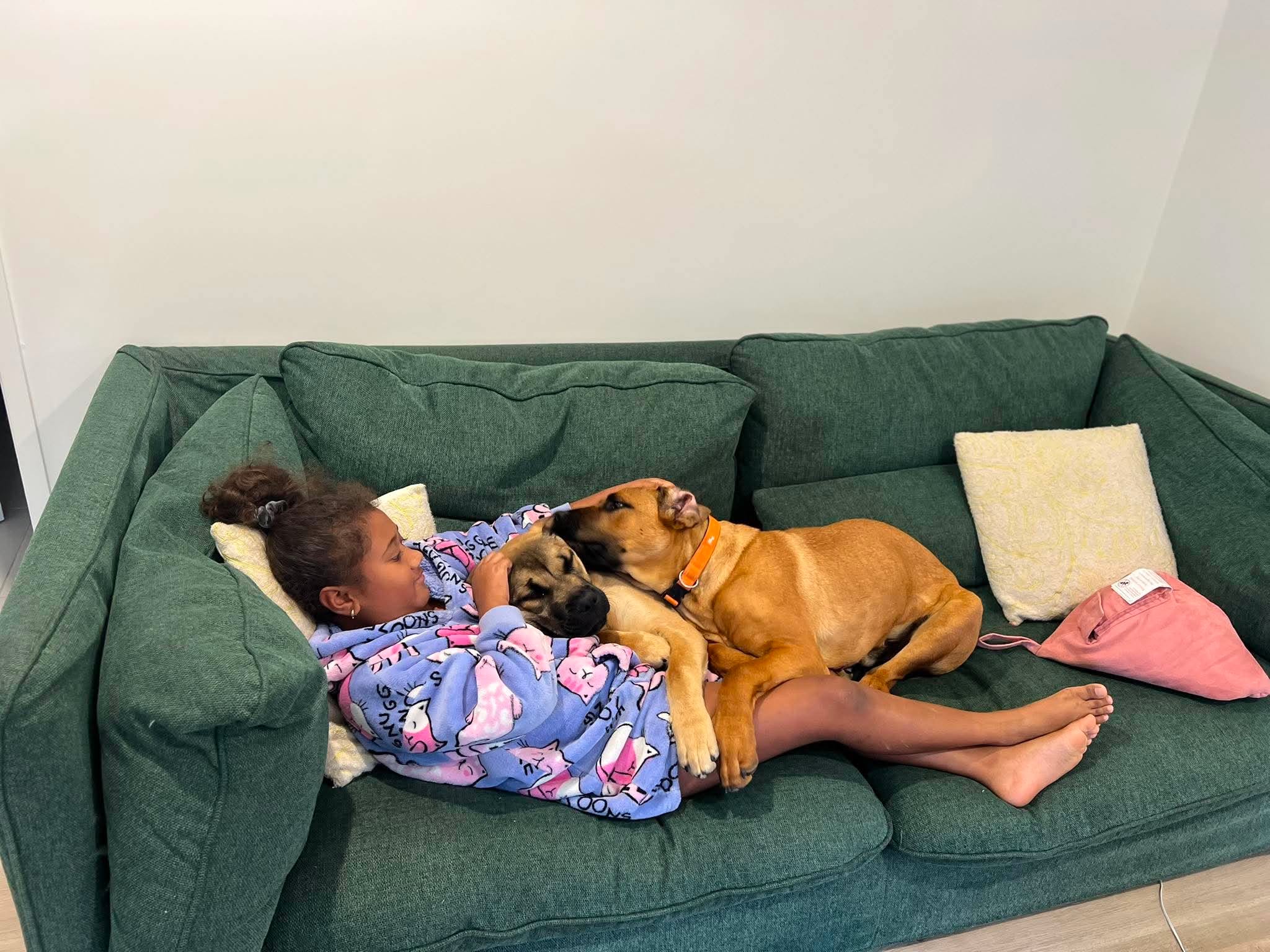
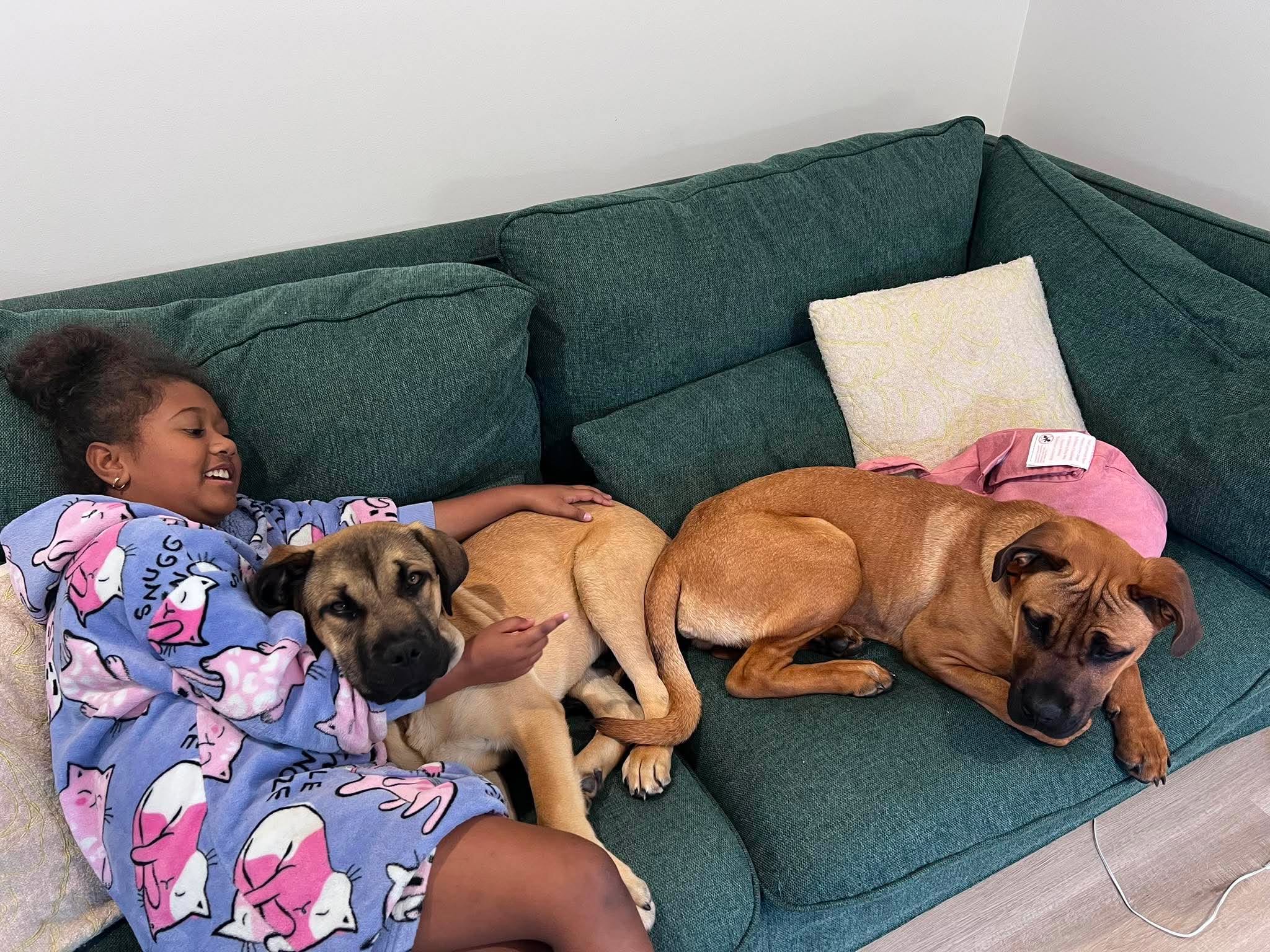
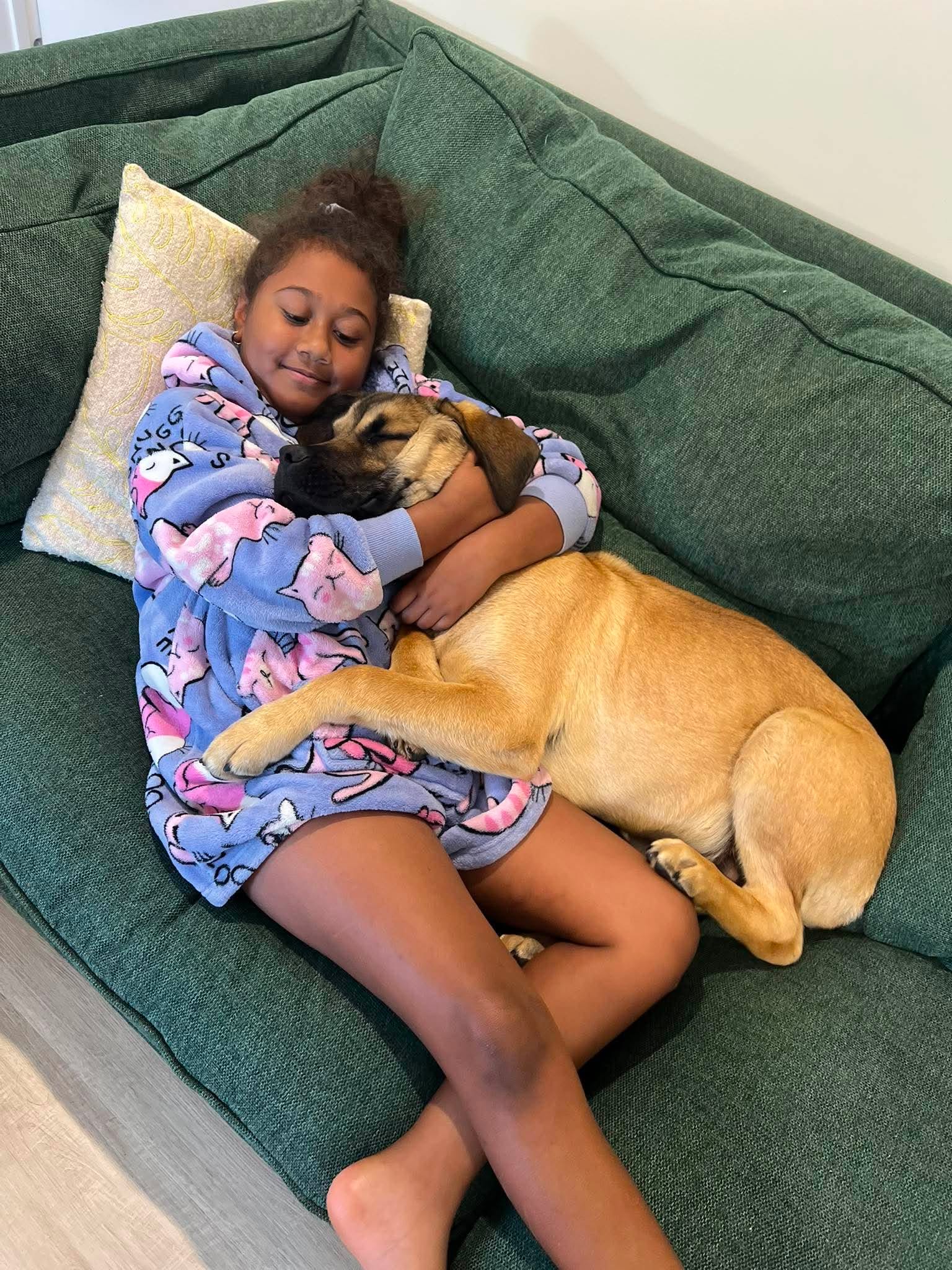
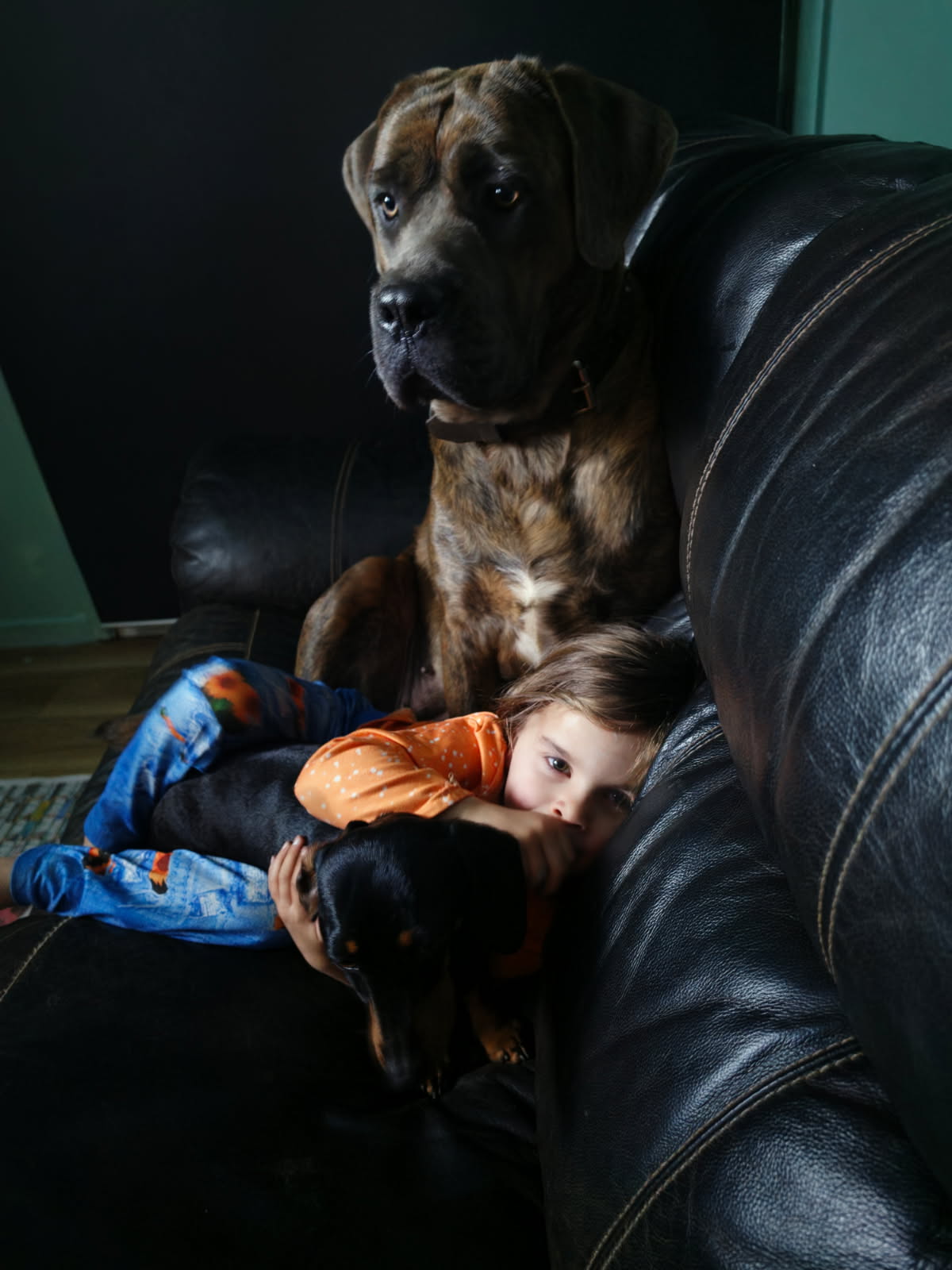
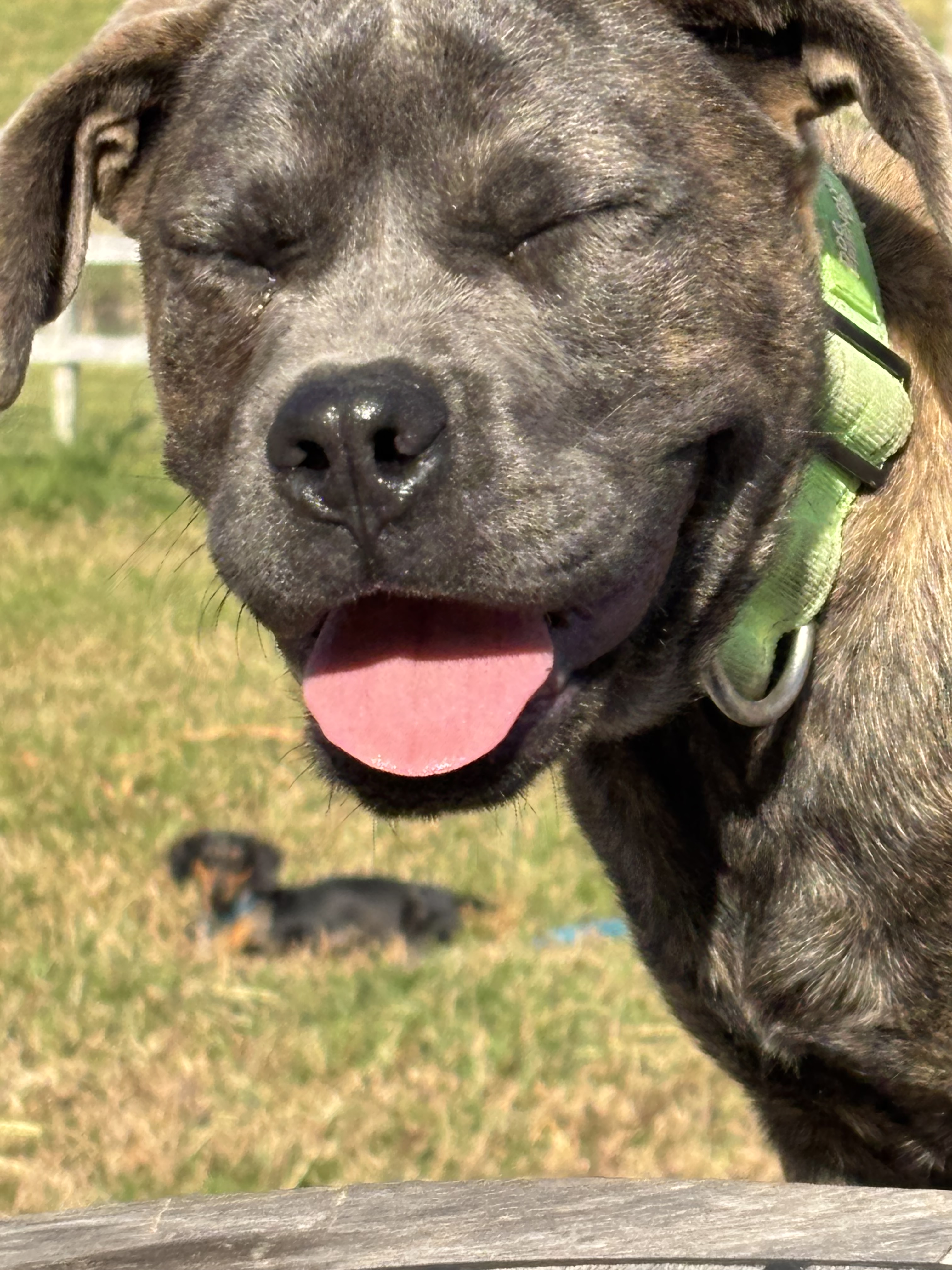
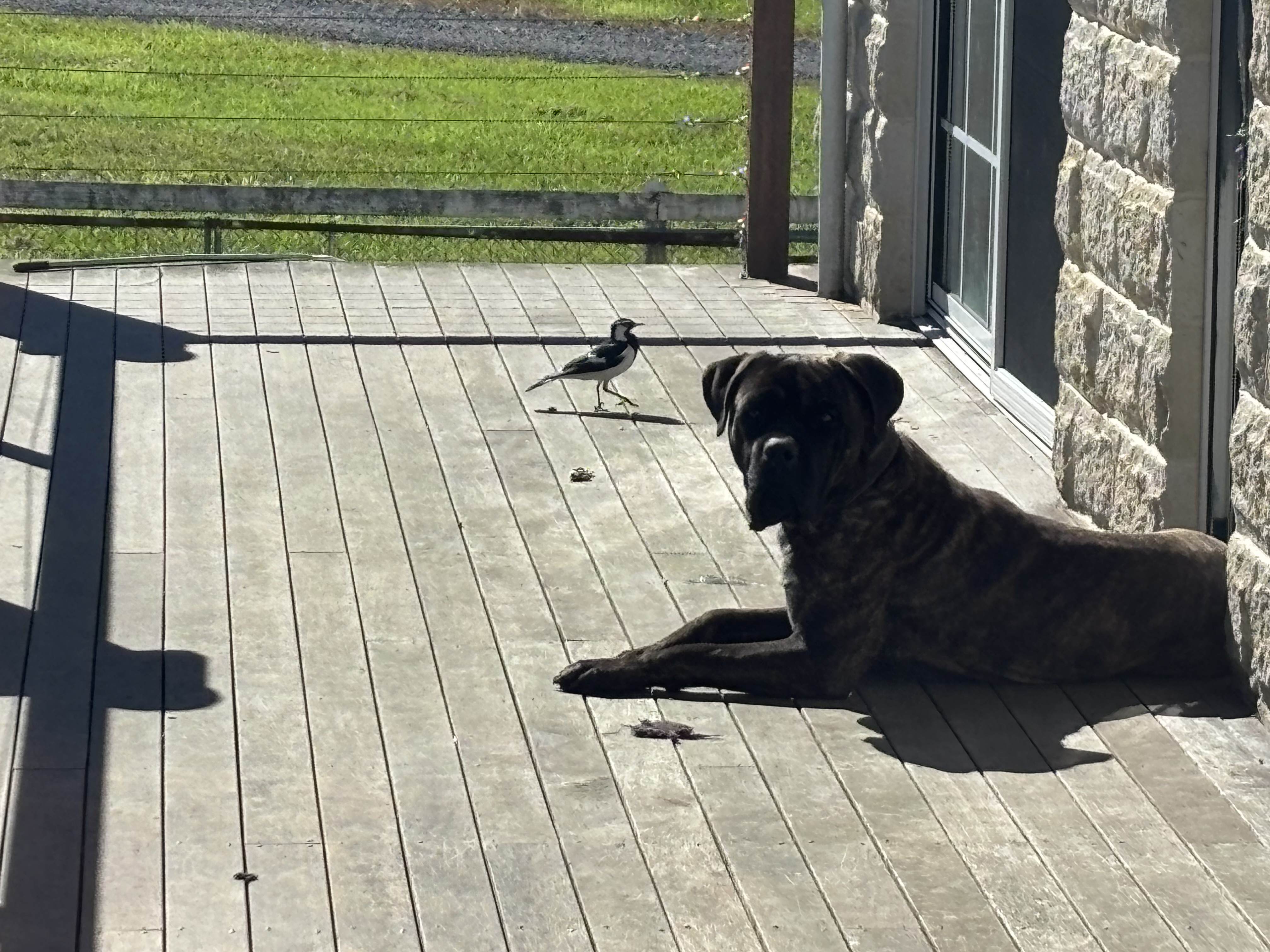
Me, I let my dogs make me happy…
Stay happy. Dont go looking for unhappiness. You shall certainly find it.
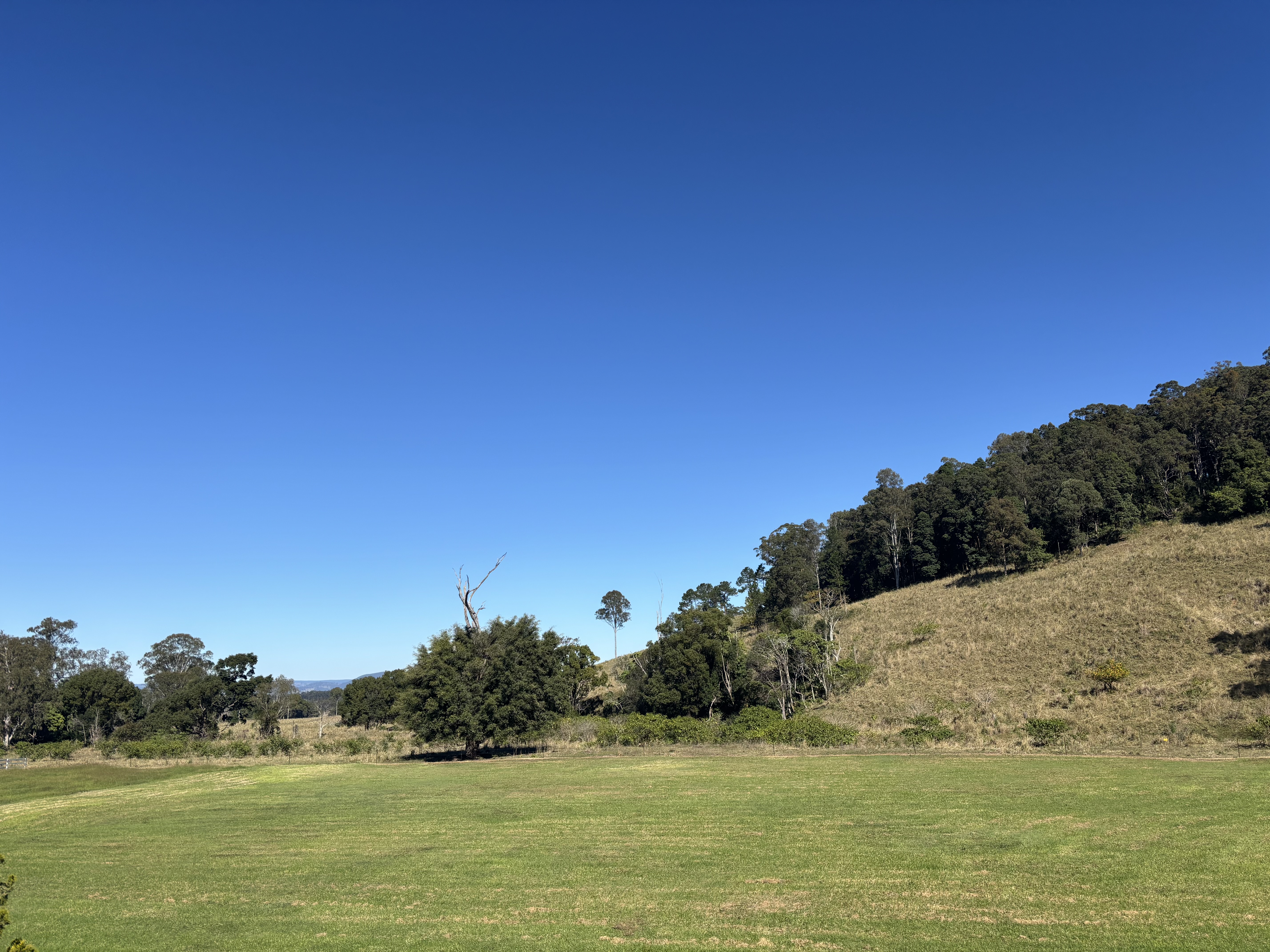
A bright, almost summer time Sunday here in my valley.
A lot of things on my mind recently… Nothing new, because there really is no NEW news to speak of. Yet there is much happening, but not much changing…
Ive been ruminating upon the fact that Muslim males have so, so many religious restrictions upon them… the daily prayers, the seasonal fasting, the restrictions on food, so much forbidden/ haram. Allan has made so, so much off limits for these poor Muslim males. Their lives are hard. They have speed limits and guard rails galore to manage their needs, emotions, deeds and thoughts.
The one thing that is not forbidden to Muslim males is RAPE.
You can rape an unbeliever, you can rape an adulteress, you can rape one that has been raped, you can rape a goat, you can rape a baby, you can rape a Nun, you can even rape a Priest. Rape is pretty much allowed, and promoted right, left and centre.
It appears to me that Allan may well have been the kinda guy that liked, enjoyed and even looked forward to raping others.
Women are not allowed to go about their lives without covering their bodies. Allan claims that the face, the uncovered body of a woman temps men to sin, to rape. Women must cover themselves in order NOT to temp Muslim men to rape them. Even young girls, children of the female persuasion must cover themselves in order to NOT temp Muslim men from raping them.
If indeed a girl-child is raped, it is her fault, her sin for being a temptress.
I am of a mind that there is nothing that teaches these Muslim men self control.
One thing I kinda am confused about…. Allan claims that homosexuality is bad, wrong, haram. But it’s OK to rape males one defeated, conquered. It is OK for Muslim males to “stretch” each other’s assholes in order to carry larger explosive surprises.
I have read that Allan makes Muslim males grow a beard because if they were clean shaven they look too much like a woman and may incite another Muslim male to rape them.
Is it just me, or am I kinda perceiving a trend, a taste, a liking for rape within the Muslim male community?
Or is it Allan that likes rape? Heaven is filled with vaginas. Die a good Muslim and heaven awaits. Rape “all you want” awaits.
As a male raised in the Western, Judeo-Christian world, I was never taught to think of rape as anything but WRONG. I was never tempted to rape a child. Or a Nun. Even though some of the nuns at school were kinda sexy.
I was taught self control. My society and my upbringing taught me right from wrong.
And in my understanding of the life I lead, Rape is Evil. Rape is Wrong.
Watching the world burn from my valley. Watching the wave of violent unrest. “Peaceful Students” unhappy with school. Religious Dogma spilling over and through modern society. Propaganda filled minds chanting foolish slogans. Private and Public property destroyed. The Enforcers of civilc society are absent. There streets are allowed to burn.
I have seen it all before. I have seen Society fail those paying the bills. I have seen Civil order collapse. Law and Order become a personal duty. I’ve seen it all before.
And it is not good, Nope, not good at all.
There was a time, not that long ago, when society, small groups in society, communities, families, groups of people had to protect themselves. They would build a Kraal, or a Fort, or live on a hill in a cave for protection. Because of the incessant threat, a warrior-class came into being. The world offered constant violence and the only answer was violence.
Then the world started to change. Society started to change. People were released from constant fear and threat. Life became “better”, more productive, more comfortable.
And now, we turn back the clock… Tribalism is on the rise. Violent Tribalism is on the rise.
The 9th month has flashed by. The year is getting short.
I sit on this fine Sunday morning with the sky clear and bright, the air very nippy, the dogs all quiet, watching Blood Sports.
I feel like I need to have a rant about the past week of narcissistic activity in NYC…
I have not been a big fan of the United Nations for a long, long time. Not sure I ever was.
I have worked with and for the UN. It has always been a “high-class-con” in my mind. I dont wish to be too harsh but my experience with the UN, its programs, its people, its systems has pretty much always been one of wastefulness. The UN staffers were elites that traveled first class and wore lots of gold. The UN programs I worked on were well funded and poorly managed. Being in and around the UN meant lots of meetings, lots of per diems and reimbursement forms. In the UN you get paid to do a job then get paid extra to travel and attend meetings. In the UN one travels and attends lots and lots of meetings.
What does the UN cost? Grok says: * This is the figure that includes the Secretariat plus funds and programmes such as WFP, UNICEF, UNHCR, UNDP, WHO, and specialized agencies. * 2024 revenue: $68.3 billion * 2024 expenses: $66 billion * 2023 expenses: $68.5 billion
My next basic question is “what does the UN do”? Grok tells us: * The United Nations is an intergovernmental organization of 193 member states. Its core job, set out in the 1945 Charter, is to keep peace, develop friendly relations among nations, and cooperate on economic, social, cultural, and humanitarian problems. In practice that work splits into two main pillars: * Peace and security: The Security Council can authorize peacekeeping missions, sanctions, or (rarely) collective military action. * The UN also does mediation, special political missions, and support for ceasefires. Peacekeeping is the most visible piece: tens of thousands of troops and police in field missions, paid from a separate assessed budget. * Sustainable development: Through the 2030 Agenda and the Sustainable Development Goals, the UN system tries to reduce poverty, improve health and education, and address climate and inequality. A lot of this is done by funds and programmes (UNDP, UNICEF, UNFPA, UNEP, and others), mostly with voluntary money rather than the core Secretariat budget.
Hmmm… considering that the UN has been around for a long, long time… Just looking at this: “tries to reduce poverty, improve health and education, and address climate and inequality.” I would quickly suggest the UN is not doing its job well, if at all.
A sunny, cool Tuesday morning in the valley. The change in the seasons has brought a calm-spell on us. No rain or wind or weather of any kind predicted. Just powder blue skies and green, green fields.
Son, Don, and his gaggle-of-goils arrived Sunday. School holidays for 2weeks in the Solos. So they all come and disrupt my quietude…
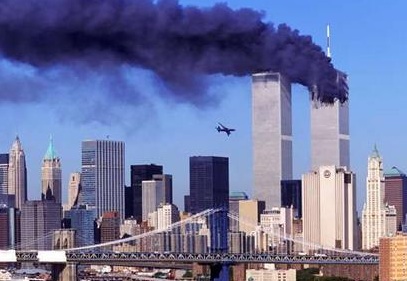
Where were you when the Twin Towers were attacked?
Where were you when you heard or saw what was happening?
That fateful morning of September 11, 2001.
Where were you?
I wrote about this before. I thought then, and think now that its was a generational defining moment…
I wrote before about this, it is interesting, in a socio-economic sense, to study events that define…
Events that define a generation,
Events that define a Nation,
Events that define a global mentality…
September 11 is one of those days. For the sake of clarity I wish to review the matter, albeit superficially, from more than one view-point:
From the fundamental islamic mind-set we can see 9/11 as a day of victory and success. The evil oppressor as personified by the United States of America, got kicked fair and hard in the crotch.
The average western mind-set sees 9/11 as a time of change. Where the freedoms and the comfort zone enjoyed so long and so completely was irrevocably lost.
Thus, I feel we can agree, 9/11 is one of the amazing occurrences that shapes a planet.
Now, from the outside looking, I wish to point out that there are many reasons why the “western-world” is so terribly hated, despised and admired.
Remember, this is a socio-economic discussion:
Basic stats give us that 20% of the world consumes 80% of the resources. Now this is dandy if you be part of the 20% but there is a huge % of the planet that is saying, “… hey, wait a minute…”
Go to any Iowa High School and you’ll see why the western-world is so despised… How many of the high school kids hop in a car and drive away from school? To consider that a child, a youth of lets say 17 years, has the luxury of a car to go to school… well, hell… when I am hungry, my world is unstable, and I just buried another child… you can see where a certain jealous anger can set in.
The western-mind can often salve their buried but active conscience by making donations and such. But the fact that more people go without than have, on a planet of plenty, is a recipe for disaster. It boils quickly down to the old “have verses have-not” game.
If one travels and actually seeks an undertsanding of “difference” there can be a gaining of an insight, no matter how dim, of the way others exist.
It has been said that an existence is not a life.
I watched a late movie a few nights ago… “The Book of Eli”… 1) I do like D. Washington and 2) post- apocalypse tales have always been a favourite of mine… One line sticks out for me here… D. is rejecting the babe’s offer of sex… and he starts taking… ” … there was a time when people had too much. Where people threw away what you’d kill for today.”
This I feel is the foundation of the modern, post 9/11, world we live in.
A side thought… Parents and grandparents… consider being in a position where you are fleeing certain death. Could be famine or war, but you are fleeing. Your baby is ill. You realise that to survive you are going to have to leave the infant behind. Do you put the child “out of it’s misery” before you leave it or do you simply walk away and close your ears to its crying?
Such a choice is not unknown to a huge population of our planet.
Events that define…
I have always felt a certain fortuosity in that I have lived trough such interesting times. A “product of the 60s” I can only thank my lucky stars that I got to be a passenger in that “magic bus” ride that so, so defined the rest of my generation’s life. I have been privileged to be a part of the development of a new, young country. I have traveled extensively and interacted with may cultures and peoples. I have been bruised, battered, beaten but not K.O.’d. And now have my next generation of players I get to lay my hands on and assist in their forward progress.
And 9/11 will forever be an event we “recognise” as important.
I teach the pups that 9/11 is the day the western-world got woken up…
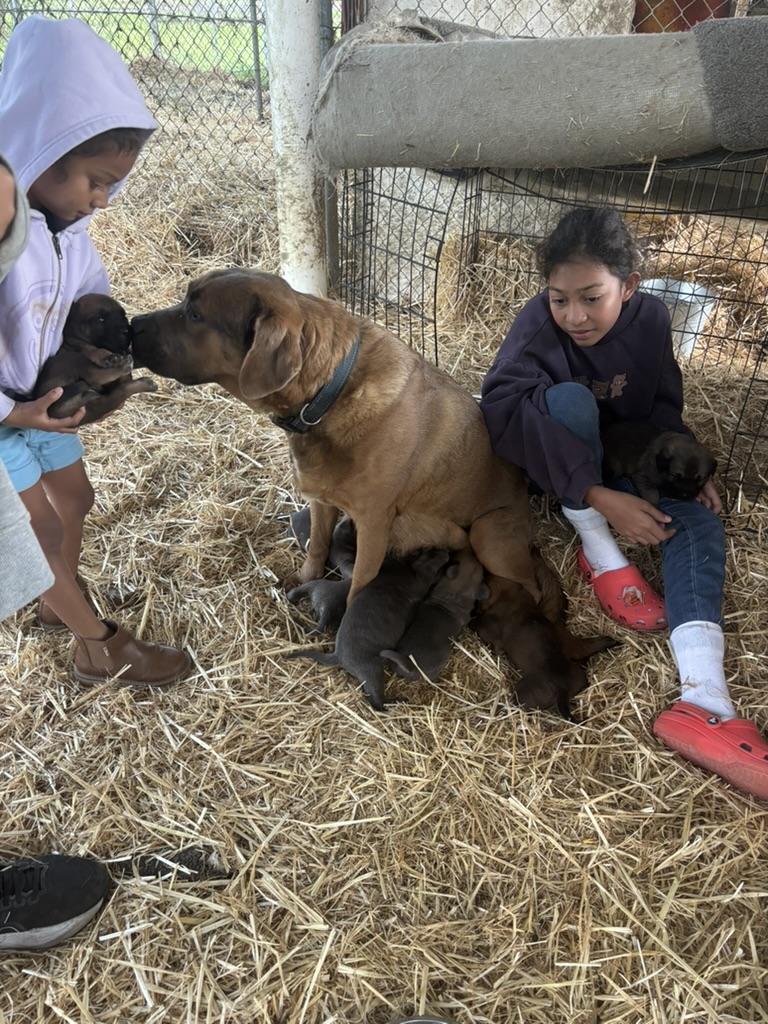
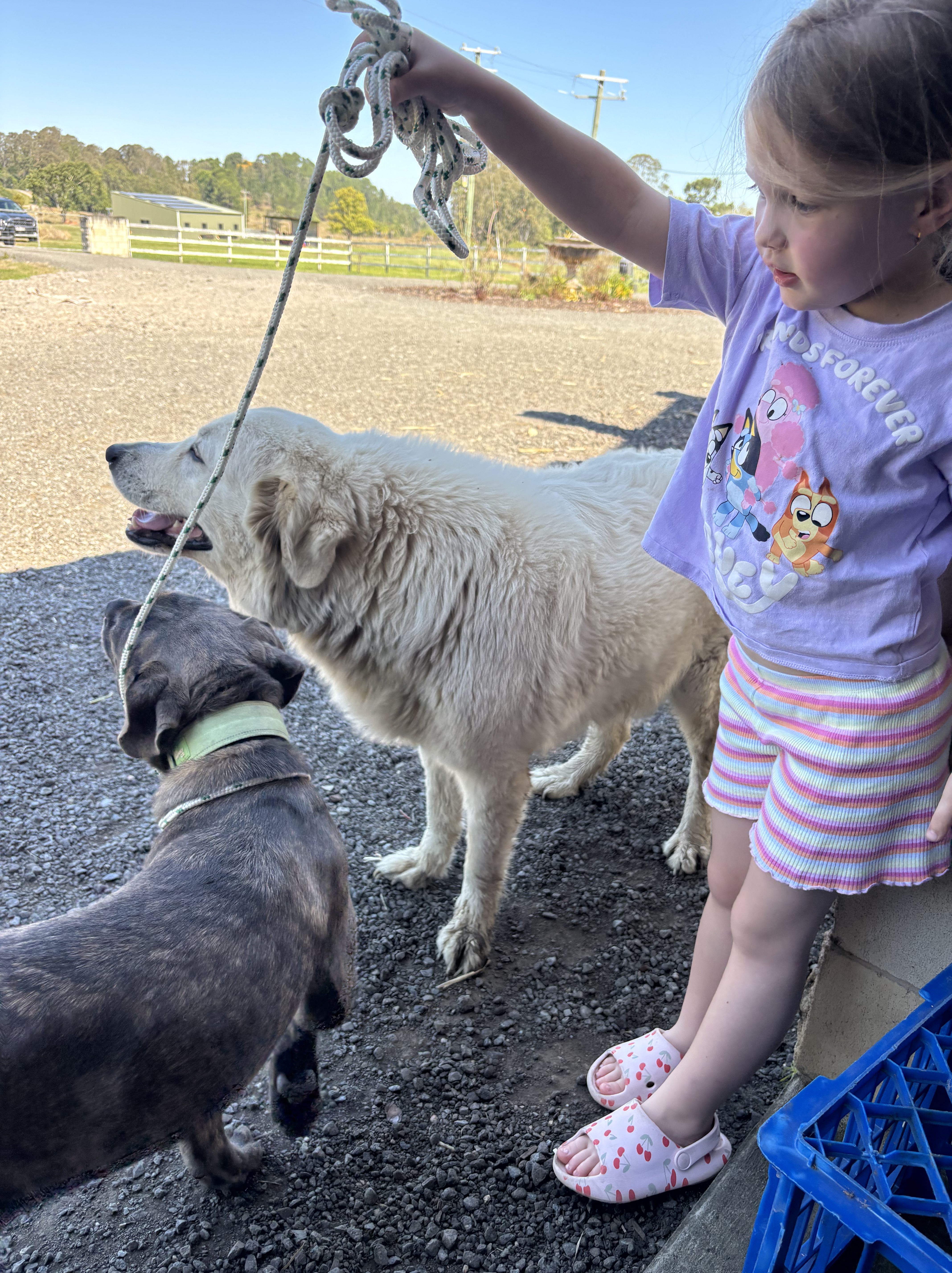
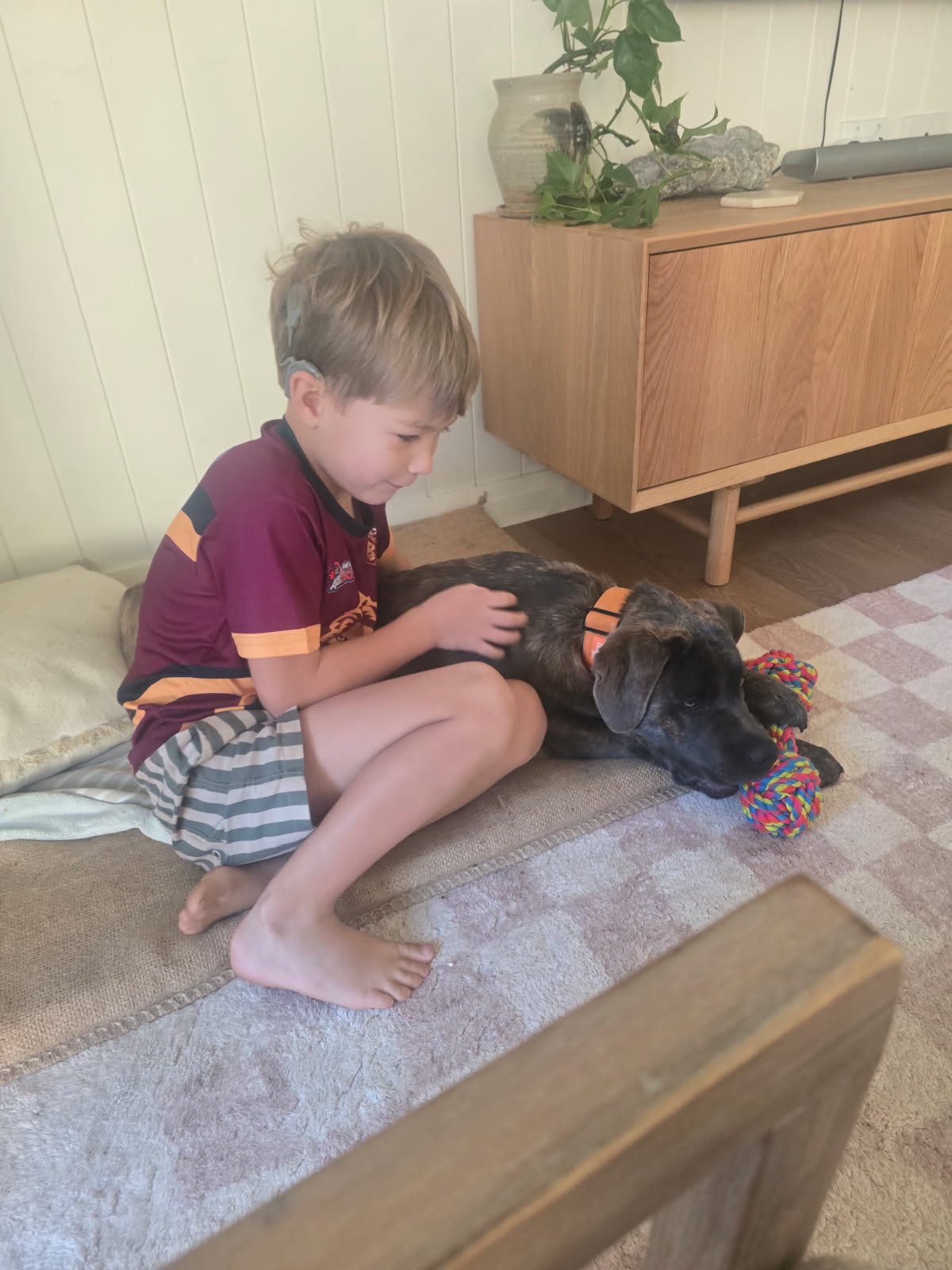
I have been very occupied with my dogs this past week or three… Dawgs are good, God loves all Dogs. Dog n Kids, Kids n Dogs…
Have had a couple great pup and kid matchings… One was perhaps the most positive pairing Ive ever seen…
Dad, Jay, has been talking to me over. a week. Looking at my picts and asking questions. He showed up yesterday with 5yrold Lilly.
Dad had taken a fancy to Star after watching this video…
We let Star out. Lilly is not happy. She is hiding behind Dad. Star will have none of it. She’s being stand-offish. I try to coax her with some food. Nope. Not cooperating.
Dad suggests we let Emerald out, see what she does…
She goes straight to Lilly. Sits on her feet. Lilly relaxes, starts petting Emma.
Emma chose to be taken. Lilly chose to take. A very positive pairing…
My dog-breeding motto is “Great Dogs for Good People”…
Pups have their eyes open:
Jade was taken earlier this past week by a young family. Mom, Dad, 3kids (7, 5, 2) came and spent a couple hours on Wednesday. It was fun. Mom and Dad came back the next day. Decided to take Jade (renamed as Winnie).
It is a Saturday morning here. A Saturday morning after a long week of being very busy. Far too bizzy for an old fart…
The last Saturday of my favourite month is here… I was shocked a bit, yesterday, when a guy wished me a “good weekend”. I hadn’t realised it was Friday.
Today, this morning is soft.
The past week saw the bi-annual servicing of my Toyotas. I have a big, cool military type “Troopy” 4×4, and a my trusty farm truck. Both are great vehicles. I use the farm truck daily. It is my main ride. The Troopy is a world class 4×4. It’s big, noisy, thirsty and very much what I call “Queensland Cool”.
Twice a year I schedule a loan-car, start early in the morning, and get both vehicles serviced in 1day. The dealer is an hour away. So up early and on the road by 630am. Drop the Troopy off at 730am, drive the loan car home and have the Truck up by noon, supposedly all done by 530pm.
Of course it never works the way its planned… The Truck isn’t done until almost 5, too late for me to drive in. So I drive in early in the morning of the second day and finish the process off. A total of 6+hours of drive time. Two early morns on the road. Today I am a bit tired. And it feels good.
My healing ankle is healing, and quite sore. 6months and 6days post surgery I am unapologetically using my ankle. Walking, moving doing. I consider the discomfort a good thing. Tho I am still learning what my repaired ankle can and can’t do. I get in trouble when I forget my ankle aint bad. I’m walking well, feeling good, having a momentary lapse of memory, then I try to turn around… turn into my bad ankle, leave my good ankle, and realise I’m going to fall on my arse… Gracefully… All ways gracefully.
An interesting side-story taking place within my very extended family…
In July my Grandson, Mendoza, turned 21. He and his dad did a trip to the USA. M’s first adult trip to the States. His first trip back for almost 10years. Son, Don, attended school in Iowa and has a fierce nostalgia for the time when he milked cows and lived there. Don still fantasises of retiring to Iowa.
So during their trip Mendoza decided to move to Iowa, and enrol in school. We have loads of family in and around Des Moines. My siblings, their kids, grandkids and great grandkids all there. We know family is good. Don has always kept in touch with them all. Its an easy move to manage.
Mendoza has a number of cousins his age there. He just went to the “Iowa State Fair” with his cousins Ryan and Owen. He is learning that the smell of pig shit, in Iowa, is the smell of money…
My youngest sister, Angela, has taken charge of Mendoza. Doing all that is required… sort school out, sort out an Iowa drivers license, get a vehicle bought, find an apartment… I can see Don making his “Iowa Plans”… the standard Iowan pickup truck not acceptable, needs a decent SUV so there are enough seats for everyone when they go visit. As well, the tidy studio apartment not big enough, for when they come visit, so a palatial 2bed, 2bath place is required.
Here’s Mr. M. on his first day of school in Iowa:
I enjoy the poetry of my grandson returning to the land I departed from… 45 years has passed since I left.
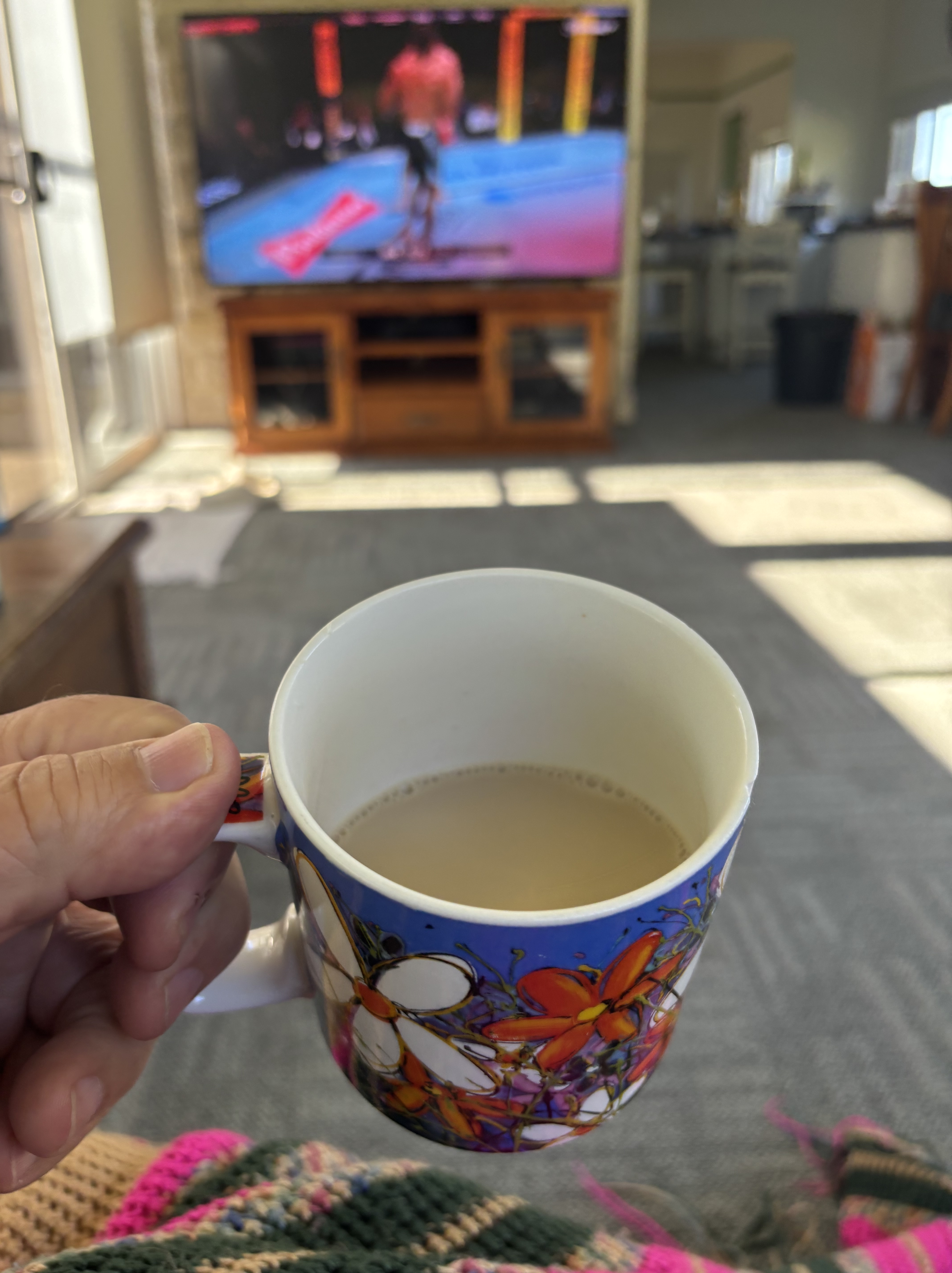
It was one of those morning… One of those mornings when you wake up feeling good. Real good… The temps were cold at 630am, 45f/ 9c. The heavy quilt was nice n warm, the sky showing through the bedroom window was powder blue, a cold powder blue. I snuggle in warmer and listen to the day… Dandy is in his kennel whining. I’ll need to let him out soon. The morning bird noise is noisy. There is a UFC show starting at 7am. “I shall go wrap up in my chair and watch it”, me thinks…
So up, and at them I go… first is put a heavy hoodie on and a pair of socks. The floors in this old house are cold. Head down the steps and greet Bella at the door, say good morning to the 3 bitch-pups in their kennels, let Dandy out of his straw filled lock-up.
On the way back into the house I think, “damn, I’m outta coffee”…
Last eve Gracie noticed my coffee container was empty. Yesterday when I made coffee I used the last, said out loud “need to buy coffee”, and that was that…
I tell myself I can do without. Maybe drink some of Gracie’s Nescafe? So I wrap up as the first bout starts at 7am.
That bout ended with a KO in the first round. I’m warm, hapi but thinking about a nice coffee. Blood sports and coffee go well together.
So up, I am, in my hoodie and pyjamas. Slip on a pair of crocks and hop in my old truck for the short drive to town.
The truck is frigid. I turn on the heater very high. The sky is blue ice. The green, green grass is layered with a fine coating of dew that looks like frost. It’s not, but it’s damn close. I am rarely out this time of day (in winter) and the low lying fog and the dew covered fields offer a phantasmagorical picture. Cold blue, frosty green is the colour of the morning. Cattle and horses motionless in their paddocks. No other cars on the road. A beautiful, crystal cold morning.
The town is pretty quiet. I see a few folks at the local coffee shop. A number of intrepid guys on their 2wheels are at the pie shop.
I park by the front door of the local Independent grocery store. Quickly grab a loaf of nice bread, a big pack of “Italian ground” coffee, a jug of milk. The young gal at the checkout is a smily blond that I assume is part of the family that owns the place. She is almost always on duty, always smiling and talkative… “How are you this morning”, she asks… I hold up the pack of ground coffee and say, “My morning sux, no coffee at home so I get to run to town”… “that does suck” is her reply.
The coffee was worth the trip. The warm cup keeps my fingers nice n hapi. The air in the big old house is chilly. The warm cup is good. I feel the caffeine doing its duty. Another first round KO in the ring.
Blood Sport and Coffee…
On another note… Ankle healing going very well. Spot on 6months post-op and all is good. So good I am getting foolish and young… or is it young and foolish…
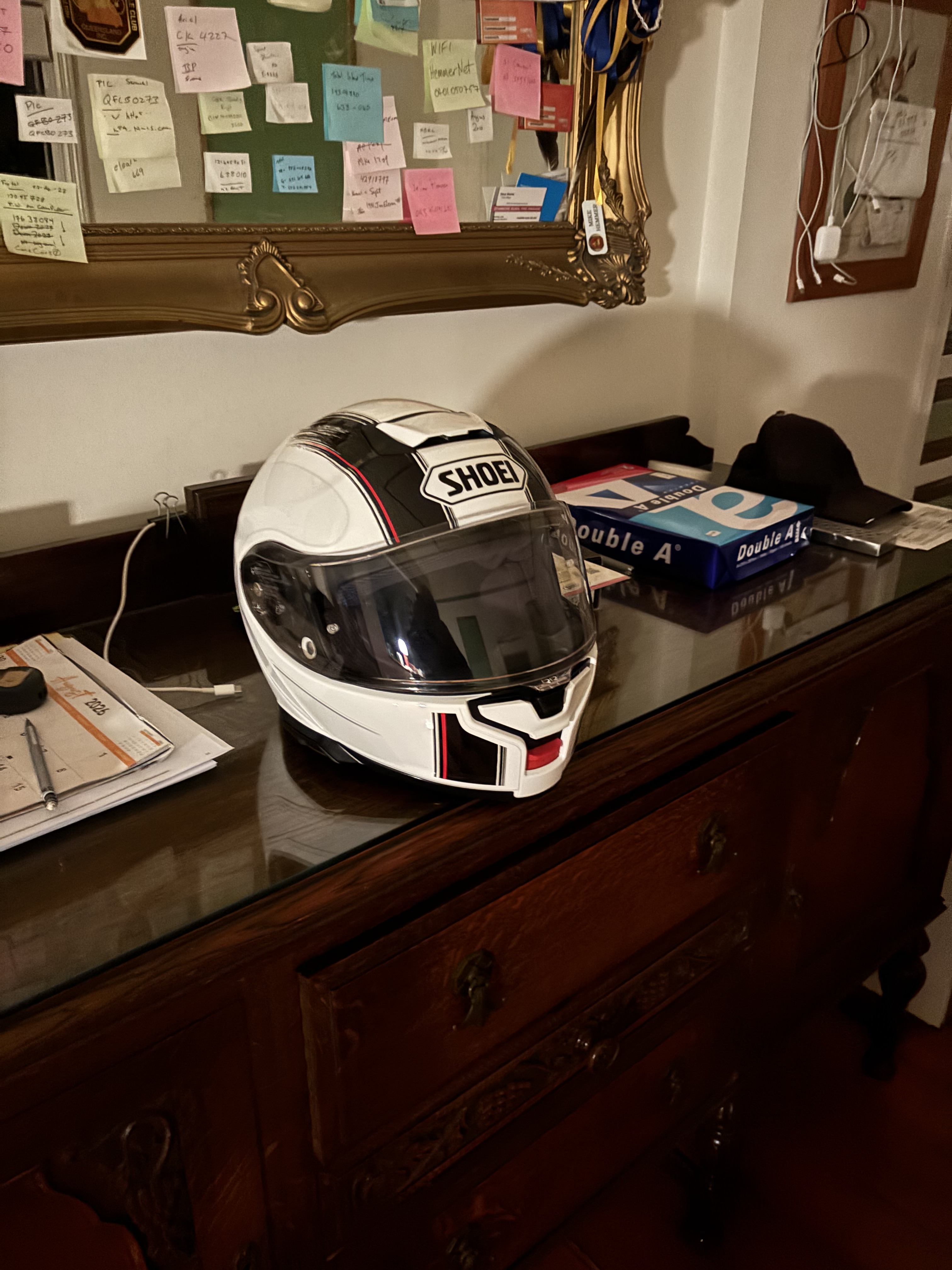
Bought a new helmet. Going to get back on 2wheels soon… been too long…
Sunday morn here in my valley. It’s about 50f, no wind, no sun, rain on the way. My dogs are hapi.
I sent the following to an old friend who spent his career with USAID living and working in Russia and the Stans. He is fluent in Russian and speaks a smattering of many “Stan-languages”. Retried to Michigan, I sought him out for some help understanding what is happening in the USofA.
============
DB,
I am watching the unfolding of something rather confusing happening in the USA. And I think you may have an interesting perspective on it all…
I am watching the rise of out-right communism (state ownership of means of production and distribution) happening in the USA.
I know folks call it “Socialism”. For the sake of definitions I see the difference between communism and socialism as “ Socialism is democratically elected communists, and Communism is unelected communist taking over of a democratic system”.
Sure, Russia and NKorea hold elections… but there is little democratic about them.
In the USA… is the growth of Communist ideals due to the lure of free stuff, the attraction of something different, a mental illness, something in the water or… more, much more… Have the folks there been dumbed-down enough to think that which has never worked will work for them?
As well…
One must admit to an Islamic pendulum shift in many areas, regions, towns and communities… many local governments in your home State are now voting in Sharia, putting up loud speakers to call the faithful to prayer. Your homeland of Michigan is leading the way for the followers of the profit Allan in the USA.
All confuses me much. Allan hates women, dogs, little kids… Damn he must have had one hell of a rough life to dislike life, love and living so much. But he sure do, according to reports, enjoy his sex slaves…
So, with your decades of a) Communist experience, having lived and worked in the Old Russia, and through the Stans, plus b) your interaction, personal friendships and experience with Islam… shed some light on it all for me, please.
Are the teachings Allan really as sad and twisted as I perceive? And are not Socialism and Communism the same items packaged differently? ==================
I think back to the late 70s, early 80s… The world-wide economy was a basket-case, the fuel-wars had begun. Prices, interest rates. The cost of EveryThing went up. A gallon of gasoline in the USA hit $1.20, and shocked everyone. Iran, the Shah, an Ayatollah or two… Jimmy Carter, the nice guy from Georgia. Relaxed, even kinda cool. He was an inept President.
Ronald Reagan (Raygun, as I called him) was a pendulum swing. I thought him evil, at the time. In January 1981, before Raygun got sworn-in, I was on a plane to the Solomons, a paid employee of the US Government. An entity I despised.
I was old enough to be well aware of things. But, in those days, I was simply too inexperienced to clearly understand what was what in the world. I agreed with social programmes without thinking about the cost. I was young, often hungry, so free food sure made a lot of sense to me and my stomach. Though I never agreed with socialism in its true sense (centralised ownership of production and distribution) I was staunchly “democrat” in my thinking. Liberal in the sense that I agreed with spending money we didn’t have on programmes I deemed worthy. Spending other peoples money looked like a good idea at the time.
Why, you may ask did I think that, then?
Because I didnt have anything. Not much anyway… What I departed the USA with, in January 1981, was the sum total of my worldly valuables: A backpack, a tent, a sleeping bag, a guitar, misc clothes n gear, some books and a decent fry pan. I prided myself in being able to travel light and fast. Possessions tied you down, made you heavy.
45years isn’t a long time, but it is.
I now-a-days view the world through septuagenarian eyes. My working “career” is over (kinda). I’m technically in “retirement”. My youthful, socially minded self of 45years ago, nowadays limps, takes naps, pretends to be a farmer.
I am a great pretender…
I also read a lot. Listen a lot. Study things. research interesting topics. Our modern “connected” world offers mind-blowing access to the libraries of the world. Modern AI makes research not only easy, but fun.
Which brings to an important question…
Why the hell do folks in the USA think “FREE STUFF” is worthy, a reality, a possibility?
Sure, tax the rich. Spend other peoples’ money.
Sure, listen to “NEVER HAD A JOB” elected fools. (I do think of Bernie) Preaching a gospel “human dignity”, “fairness”, “the Working Man”… these deceivers are like the character “WormTongue” …
It is a sad comment, but our general population, world wide, are becoming mindless dependants.
We cannot build, create, make, mend, repair or otherwise be constructive/ productive.
So we destroy, tear down, dismantle, remove and even kill those who may stand in our way. A creative, dynamic dude like E.Musk shines a light for us all to see by, and we vilify him. Because he does not agree with us, the masses.
I am thinking that much of this new, younger generation has spent too much time being coddled. Never being disciplined when they threw a tantrum. Neve being told “NO”.
School is hard. Math is difficult. Reading, writing, punctuation… all such is a waste of time.
So the “road less difficult” is taken. Requirements drop. You don’t have to be able to read to graduate high school. You don’t have to be able to run 10miles to be a soldier.
We are weaker, dumber, softer, slower, fatter, lazier… As a collective, ManKind has lost a lot of ground. We send our old folks to institutions to die. We send our children to institutions to be abused. Parents are either too busy, agree with the programme, or simply are too lazy, too self-centred to notice much at all.
So much time is spent litigating past wrongs, not enough time spent building the future… Reparations for historic ills will not make today better. Colonial sins across the globe allow peoples an excuse for their sad situation. My father beat me, my mother raped me so I am justified in being a trans-terrorist. I have a Reason = I have a Right.
Communal empathy has become suicidal. We bring vicious dogs in from the street then cry when they eat our chickens.
One bit of reading I have doing lately comes from my long-time interest in the Pacific Islands. The peoples of the Pacific Islands… where did they come from, who are they, what is their story…
I am reading about the Moriori people, from the Chatham Islands… (Grok tells us:) ===========================================================
Moriori have been on the Chatham Islands (Rēkohu) for roughly 525–625 years.They are the Indigenous people of the Chatham Islands (about 800 km east of mainland New Zealand). Current research shows they are of Polynesian ancestry, closely related to Māori, and arrived from mainland New Zealand (or possibly also directly from East Polynesia) in the 1400s, most commonly estimated around the mid-15th century (roughly 1400–1500 CE, with some evidence pointing near 1450).
They developed a distinct culture there, including a strong tradition of pacifism (Nunuku’s Law), and lived in relative isolation for several centuries until European contact in 1791 and the invasion by mainland Māori groups (Ngāti Mutunga and Ngāti Tama) in 1835.
Moriori peaceful traditions come from Nunuku’s Law (or Nunuku’s Covenant), established by the ancestor and chief Nunuku-whenua.This became a sacred covenant with the gods. Weapons were placed on altars as part of the pact, and the law was renewed across generations. Moriori observed it strictly for centuries (traditionally counted as about 24 generations by the time of the 1835 Māori invasion).
In 1835, members of two Māori iwi (tribes)—Ngāti Mutunga and Ngāti Tama—from the Taranaki region invaded the Chatham Islands (Rēkohu) and carried out a campaign of killing, enslavement, and dispossession against the Moriori.These groups had been displaced from their own lands during the Musket Wars. About 900 people (men, women, and children) arrived in two sailings on a European brig (the Lord Rodney / Rodney) that they had effectively taken control of in Wellington. They were initially welcomed, fed, and cared for by the Moriori according to Moriori custom (tikane).
The newcomers then began “walking the land” (claiming territory by occupation under their own customs), declared that the land was now theirs, and informed the Moriori that they were now vassals/servants. When some Moriori objected, they were killed. A large Moriori council of about 1,000 people met at Te Awapātiki to decide how to respond. Although the younger people argued for resistance (they outnumbered the newcomers roughly two-to-one), the elders insisted on upholding Nunuku’s Law of non-violence as a sacred covenant. The Moriori therefore did not fight back.
The invaders then launched attacks. Around 300 Moriori were killed in the initial period (roughly one-sixth of the population). Some accounts record that a portion of the victims were subjected to ritual killing and cannibalism, practices then common in some mainland Māori inter-group conflicts. The survivors were enslaved, forced into hard manual labour, separated from family members, and subjected to harsh treatment. In some descriptions, they were forbidden from marrying among themselves or having children with other Moriori. Sacred sites were desecrated and aspects of Moriori language and culture were suppressed.
Between 1835 and 1863 (when the survivors were effectively released from slavery), Moriori elders recorded that 1,561 people died from the violence, ongoing mistreatment, disease, and a form of despair known as kongenge. The population fell from an estimated 1,600–2,000 in 1835 to about 100 by the early 1860s. This sequence of events is widely described by historians and in official New Zealand records (including Waitangi Tribunal and Treaty settlement documents) as the Moriori genocide. =====================================================================================
So, in a nutshell… The Moriori were a peaceful peoples who lived quietly for 24 generations. The mainland folks, displaced by war and strife in their homeland, arrived and were welcomed by the Moriori. The new comers took advantage of the Moriori’s empathy/ generosity and “took over”. “Walked the Land”. Imposed their traditions on the peaceful Moriori.
Note, today there are no more Moriori.
This sequence of events is widely described by historians and in official New Zealand records (including Waitangi Tribunal and Treaty settlement documents) as the Moriori genocide.
In ending…
I find this historic tale to be allegorical to our modern situation.
Blood sport Sunday here. The Valley is sunny. The dogs are content.
Sunday morning here in QLD. Its a chilly, chilly morn, after a cold, cold night… No, not Iowa cold but it got down to 5c/ 40f over night. It’s 1019am and the sun has not been over the ridges very long. The sky is cloudless. There is a breeze. It is quite cool outside. Inside the big ld house it’s damn near cold-room temps.
The dogs all lie in a puddle of sunshine. The cold makes the kennels calm, nose-to-tail calm. Dogs all too busy curled up to be bothered by much else.
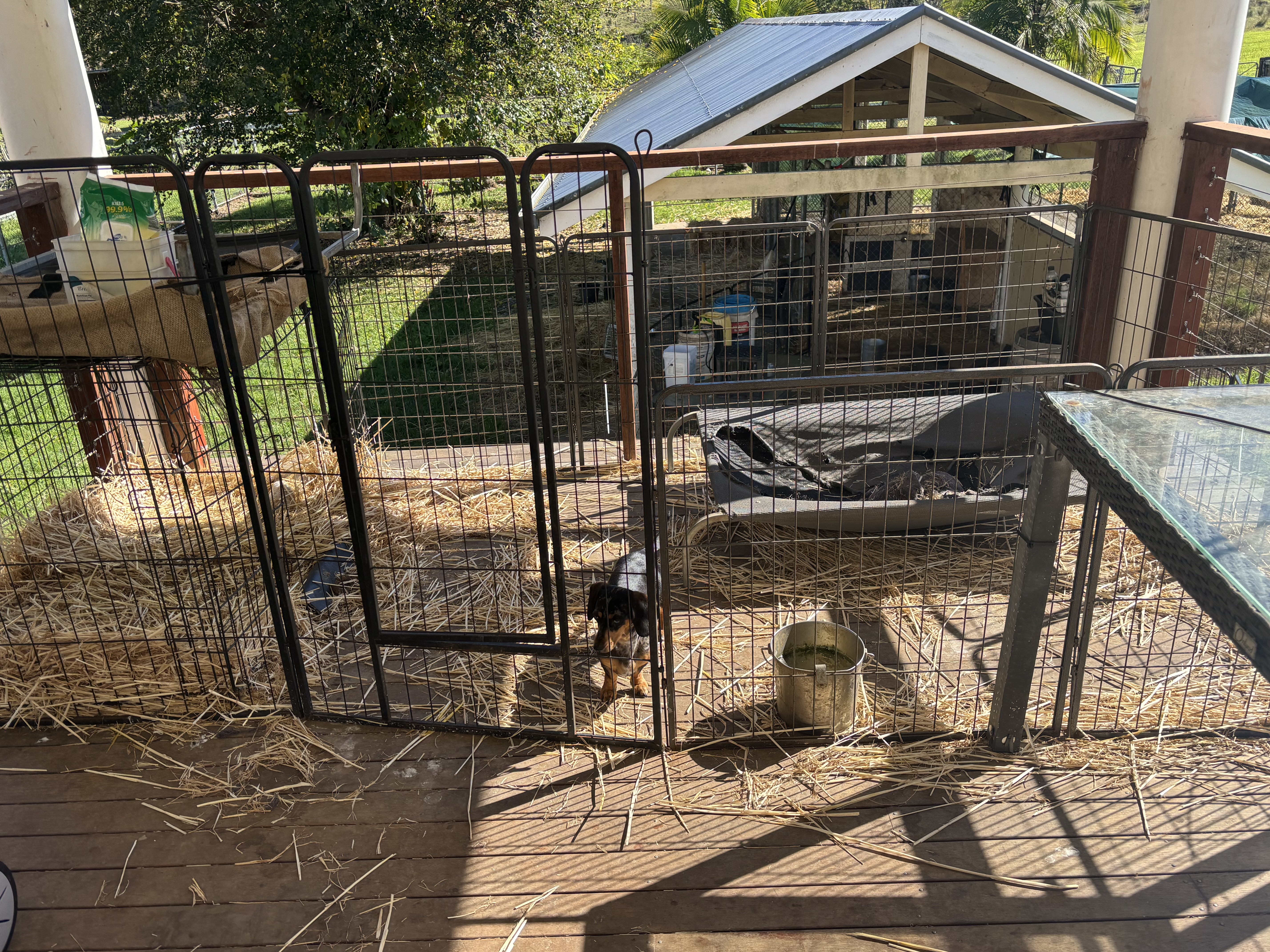
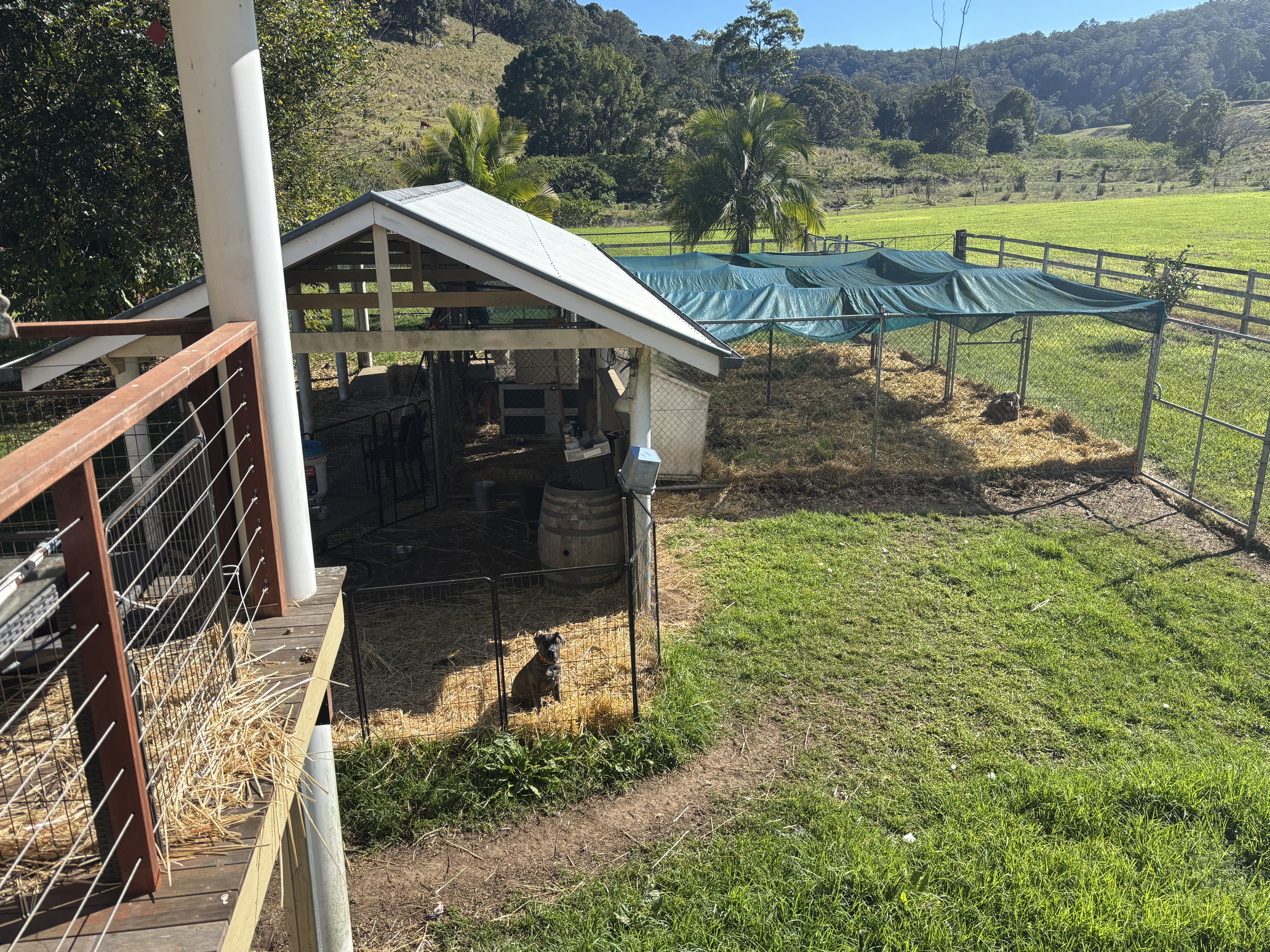
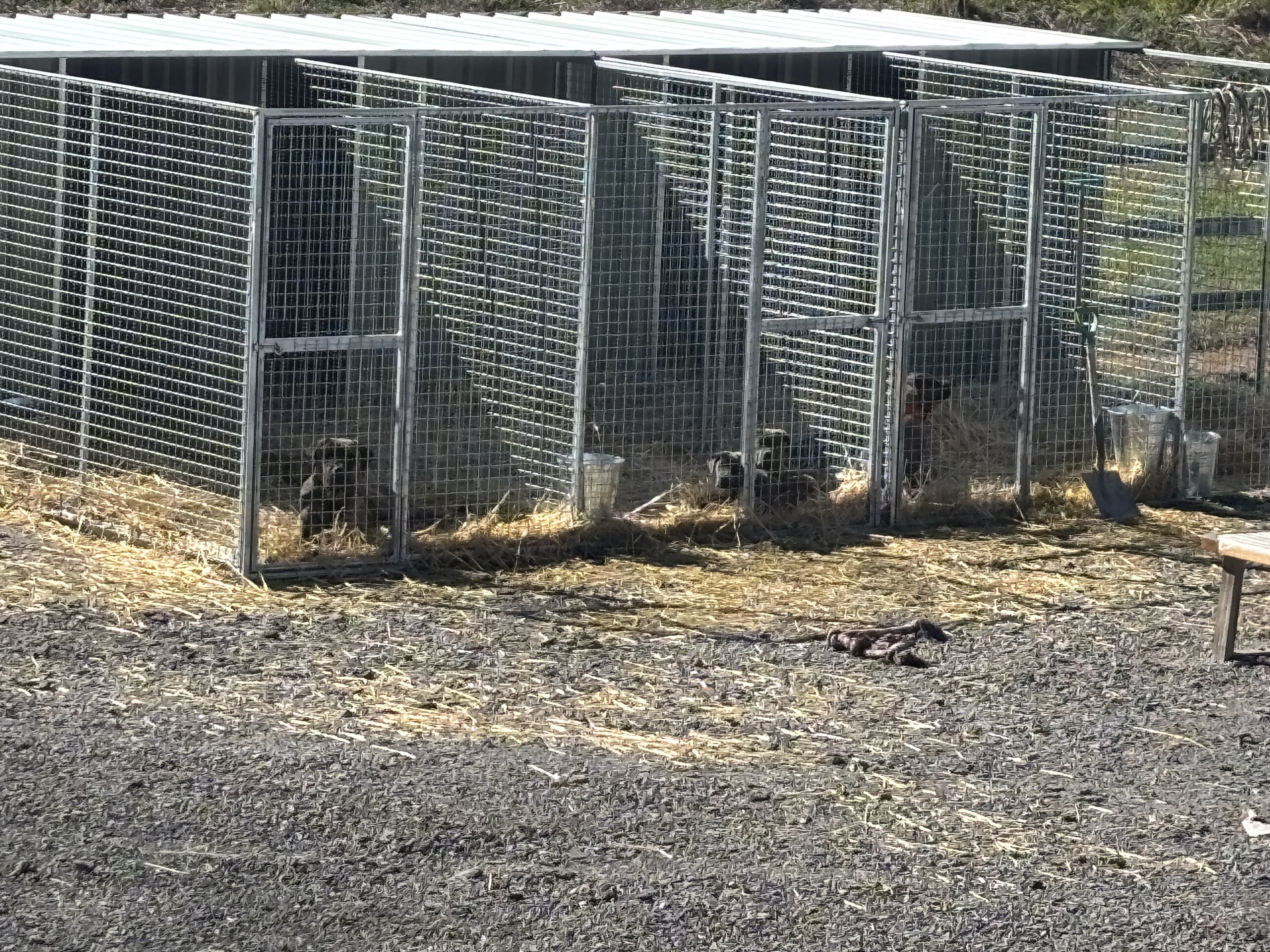
I have successfully moved a few dogs into the new kennels. Been working on this for a while. Nia’s pups are 5months old. All bitches, it gets dicey keeping them together too long. Their sense of hierarchy and competition between siblings is profound. Best if they have their own space. Same with kids… less fights if they have their own space.
My faithful readers know well my affinity with dogs. Since I was little, as far back as I can remember. Dogs play an important role in my life. I cant imagine life without a faithful canine, or 6 or 7, at heel.
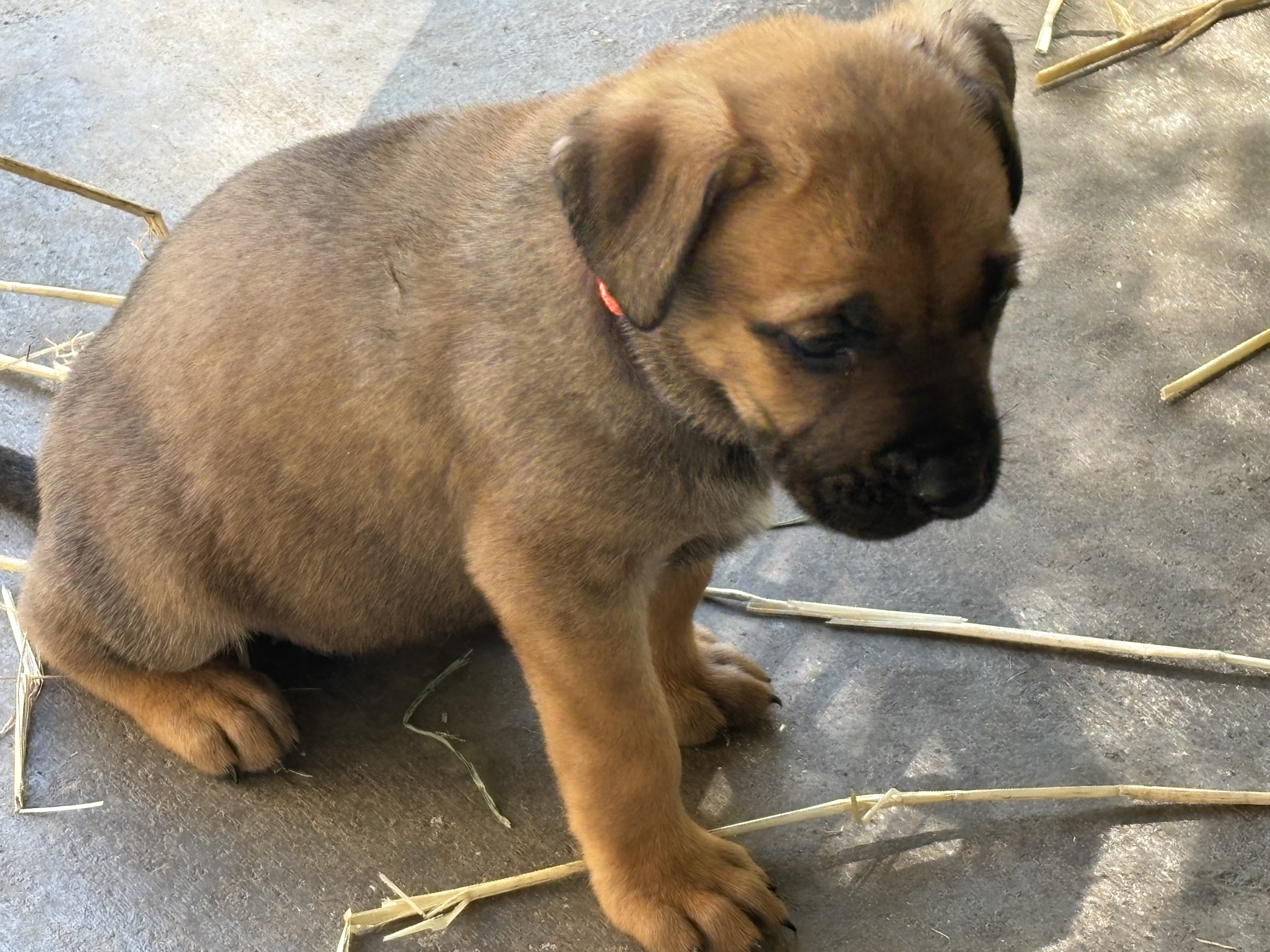
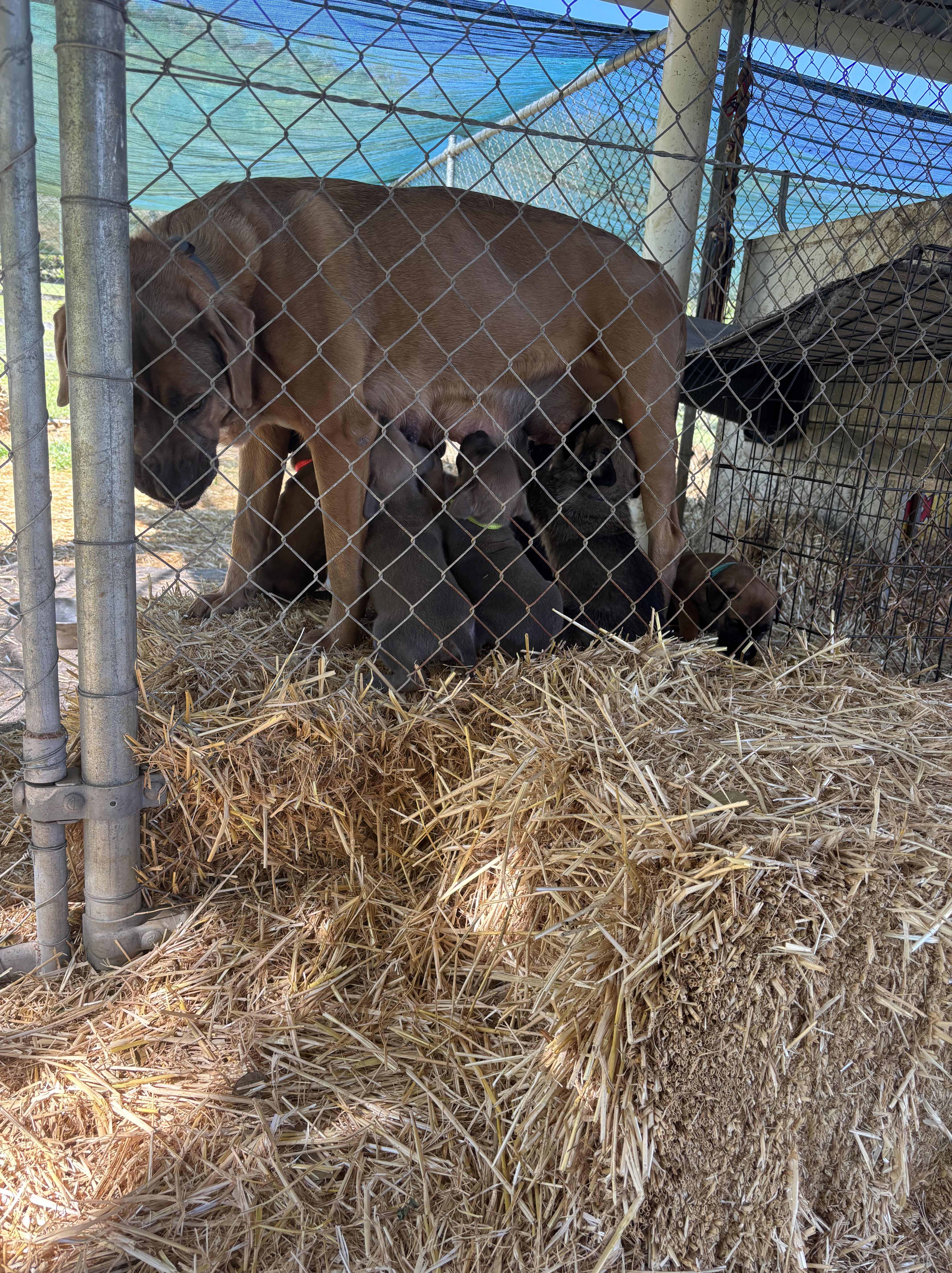
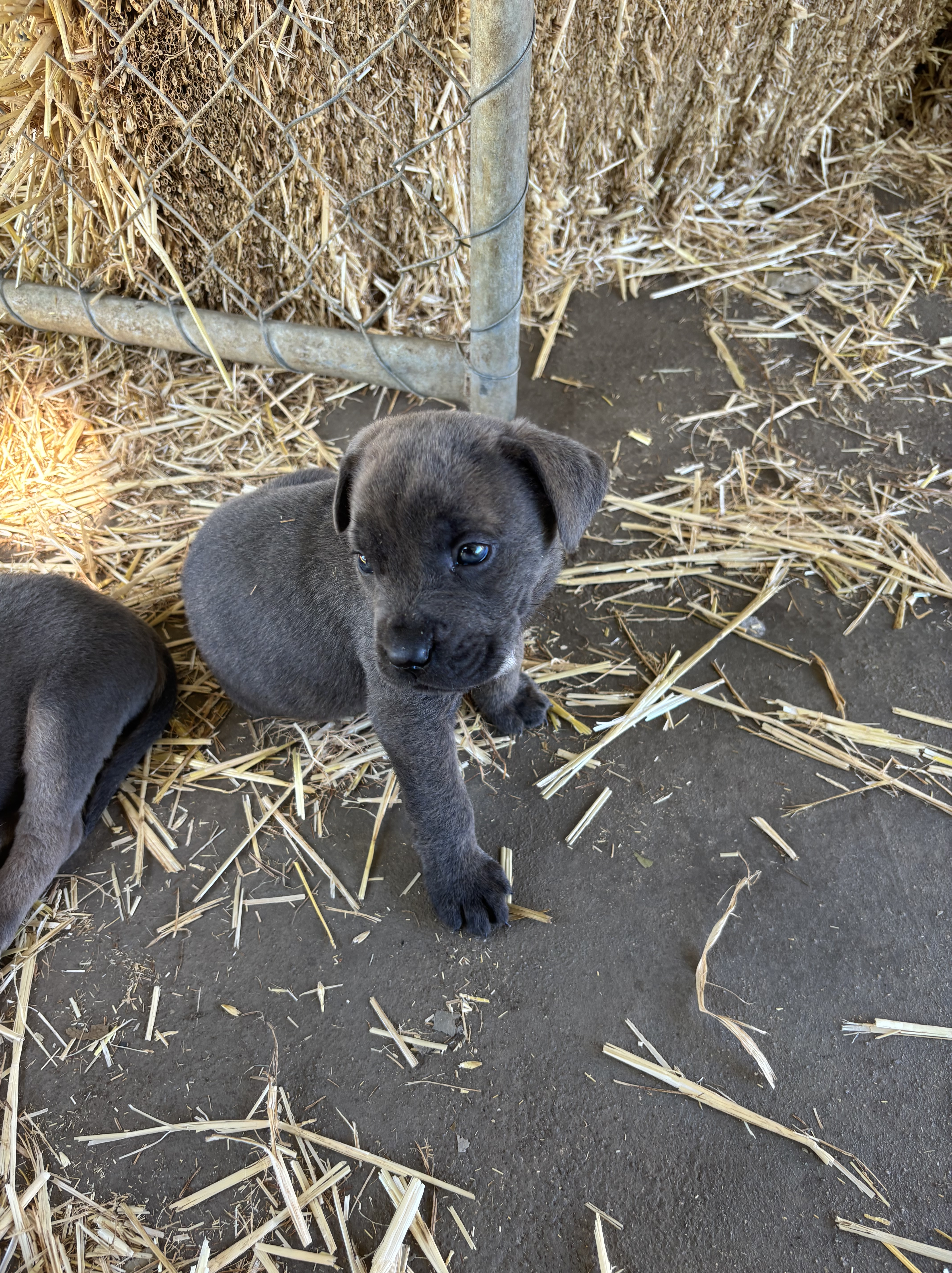
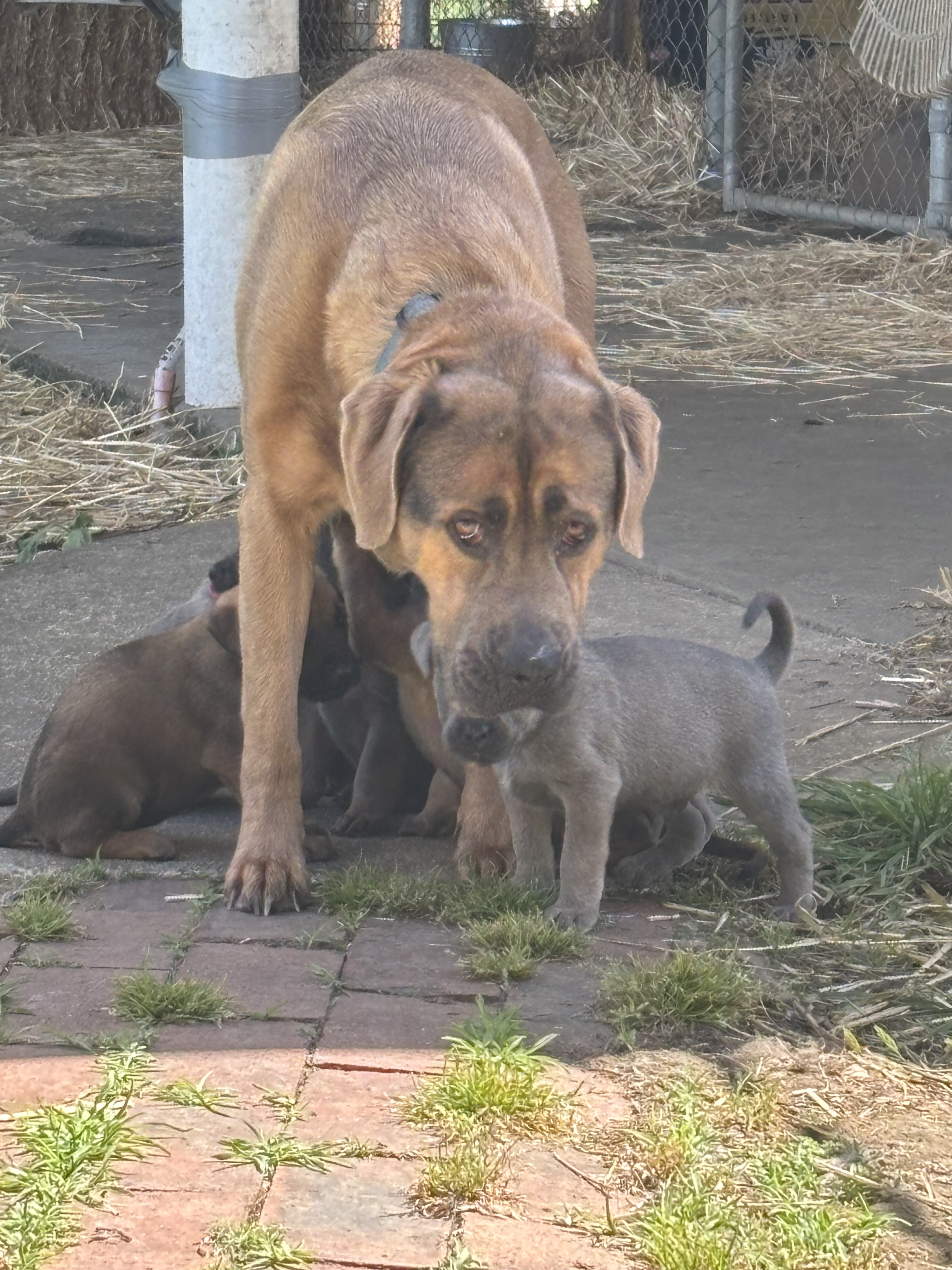
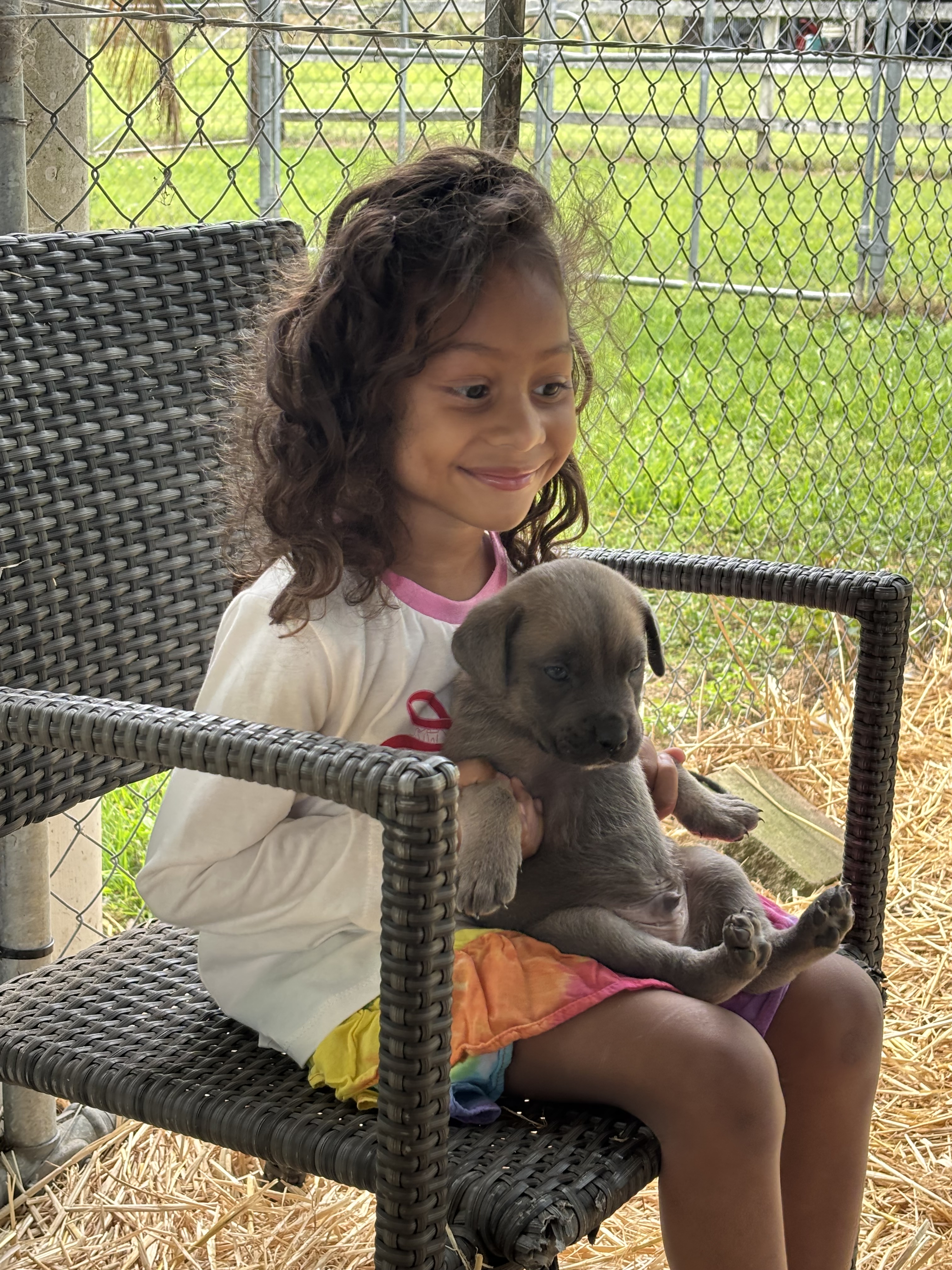
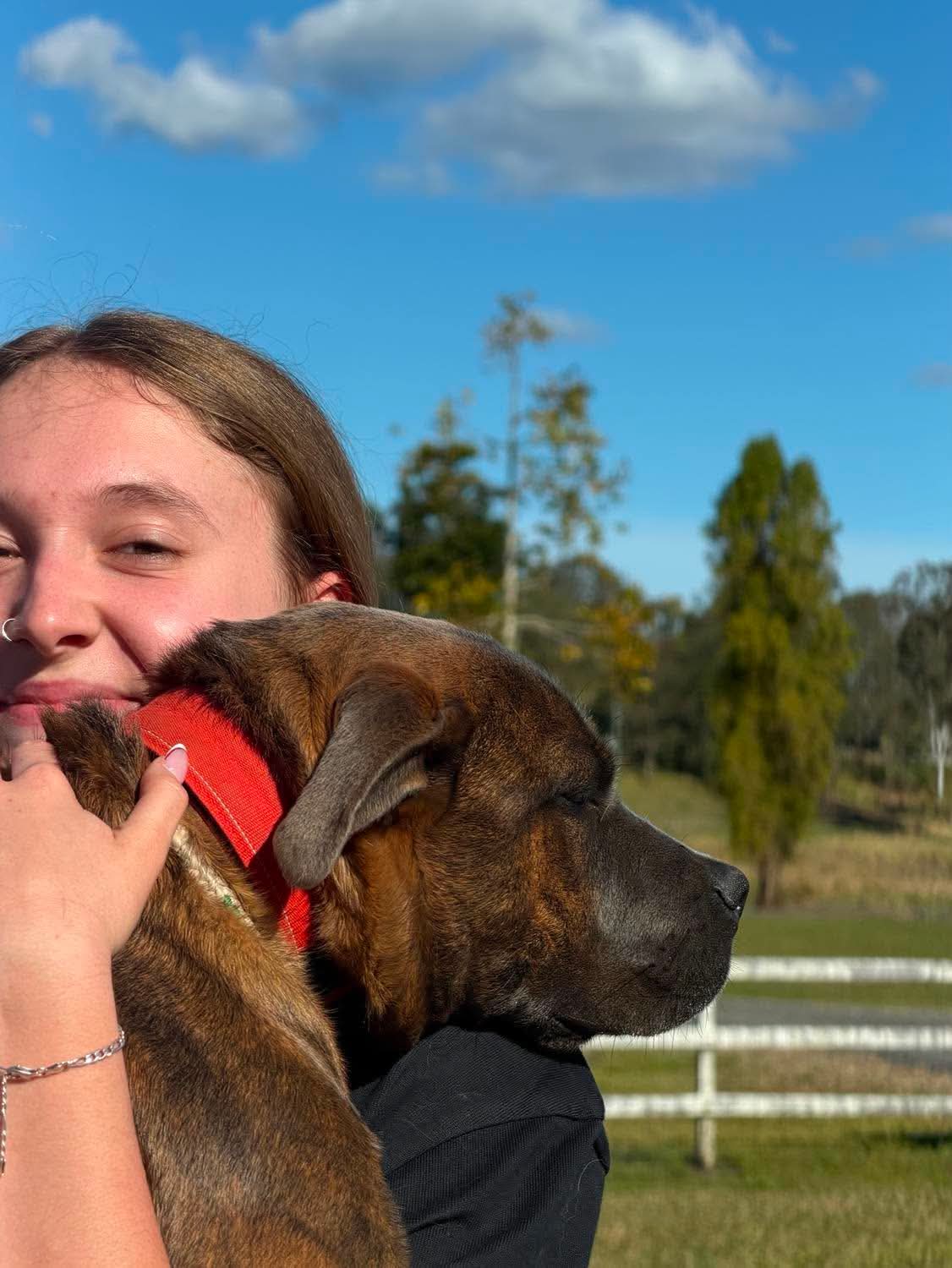
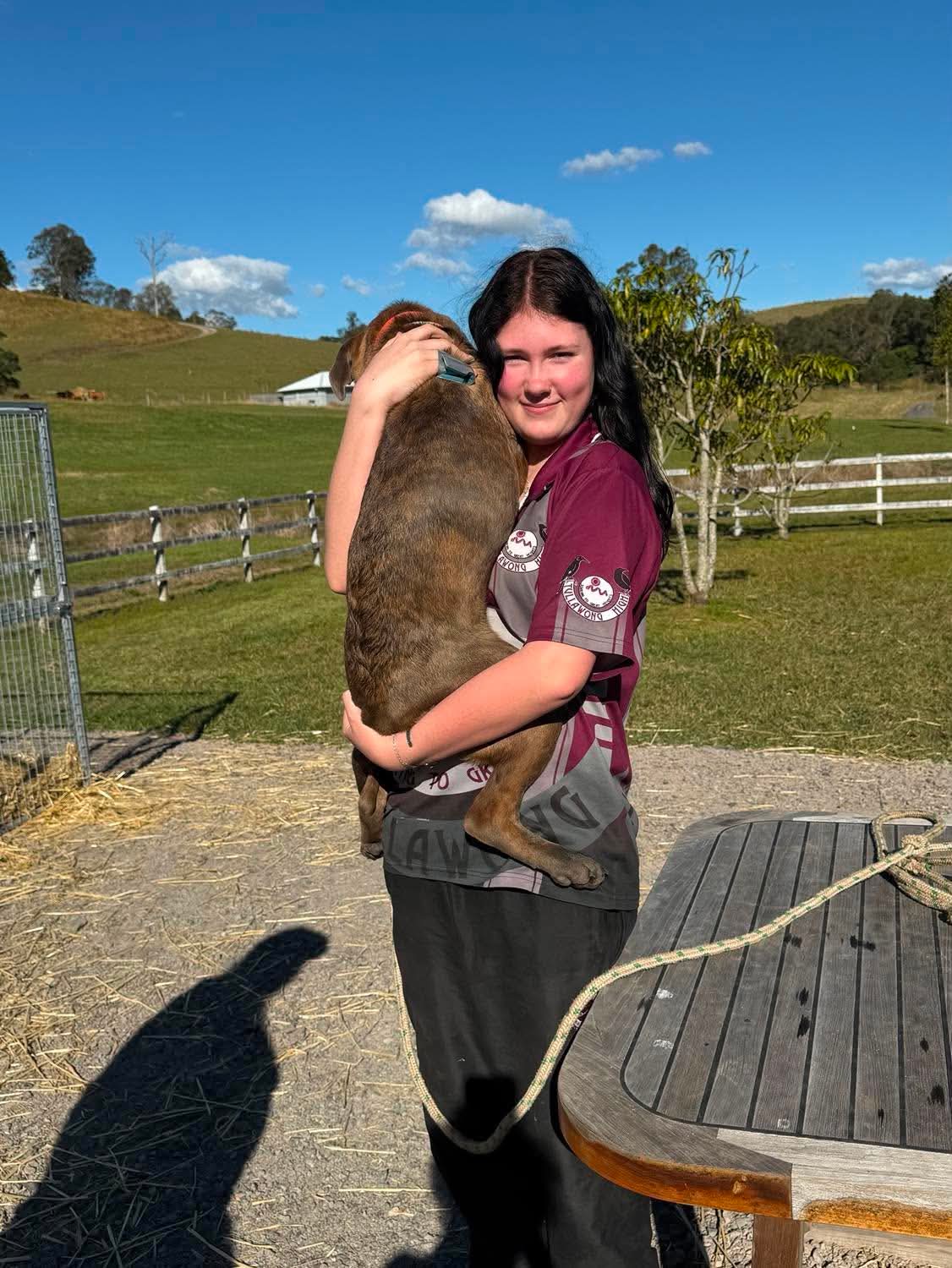
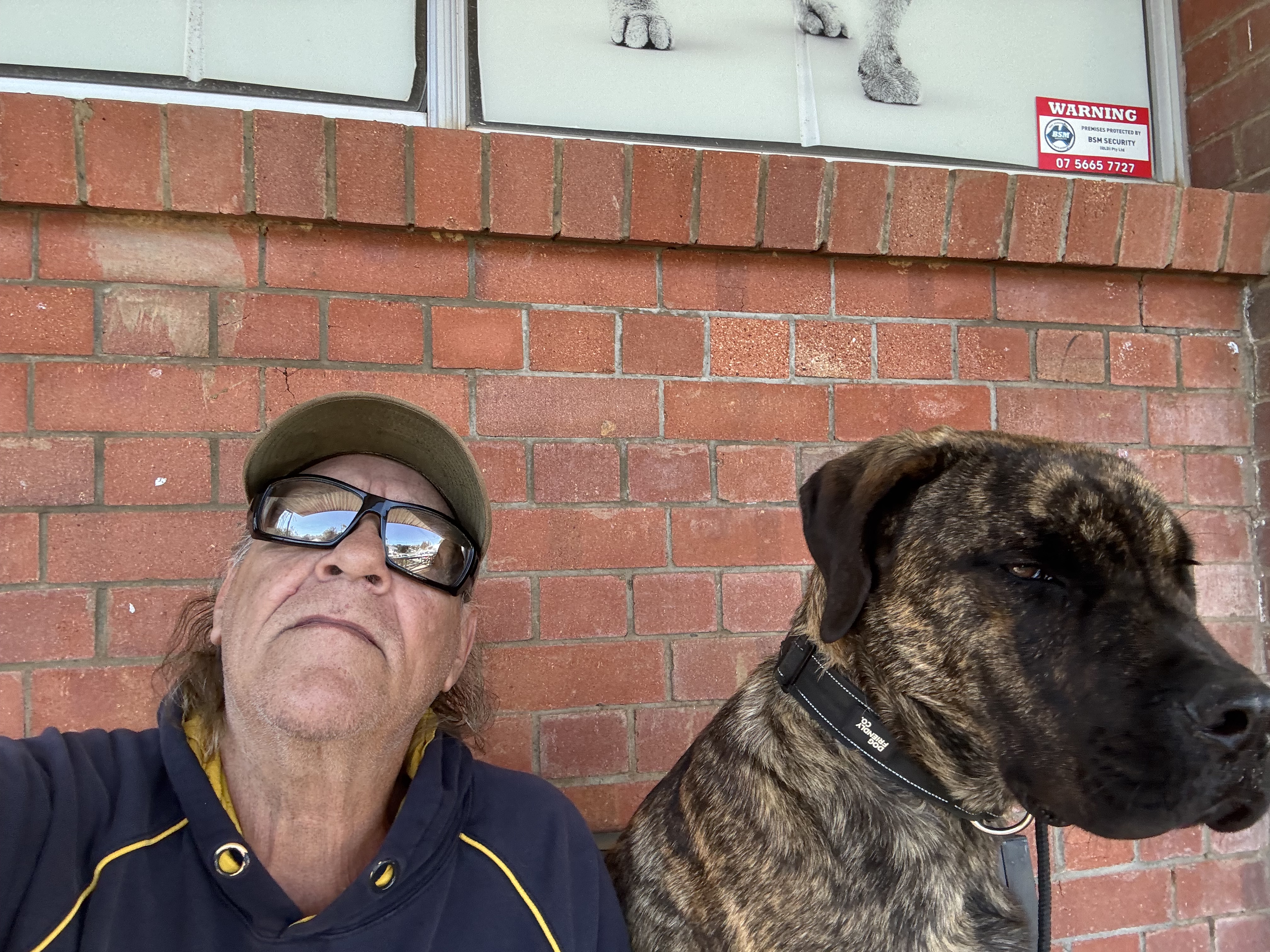
For these past few years I have been developing my own breed. Called “Ultimate Mastiffs, I’m very happy with what we are producing. Solid, smart, gentle and very good looking. I’m into my 4th litter of Ultimate Mastiffs. I’m going to retire one bitch, Quel. Look for one more litter from Nia, then concentrate on my new girls. See what we can do with them.
As a registered, licensed breeder/ farmer, my business these days is dogs. Best Biz I’ve ever been in.
Today’s newz tells us a number of Australian citizens that broke the law to travel and fight for the ISIS terror-group now wish to “come home”. They went to fight for a terror-death-cult. Now they are imprisoned in Iraq.
A decorated Aussie War-Hero is being charged with war-crimes.


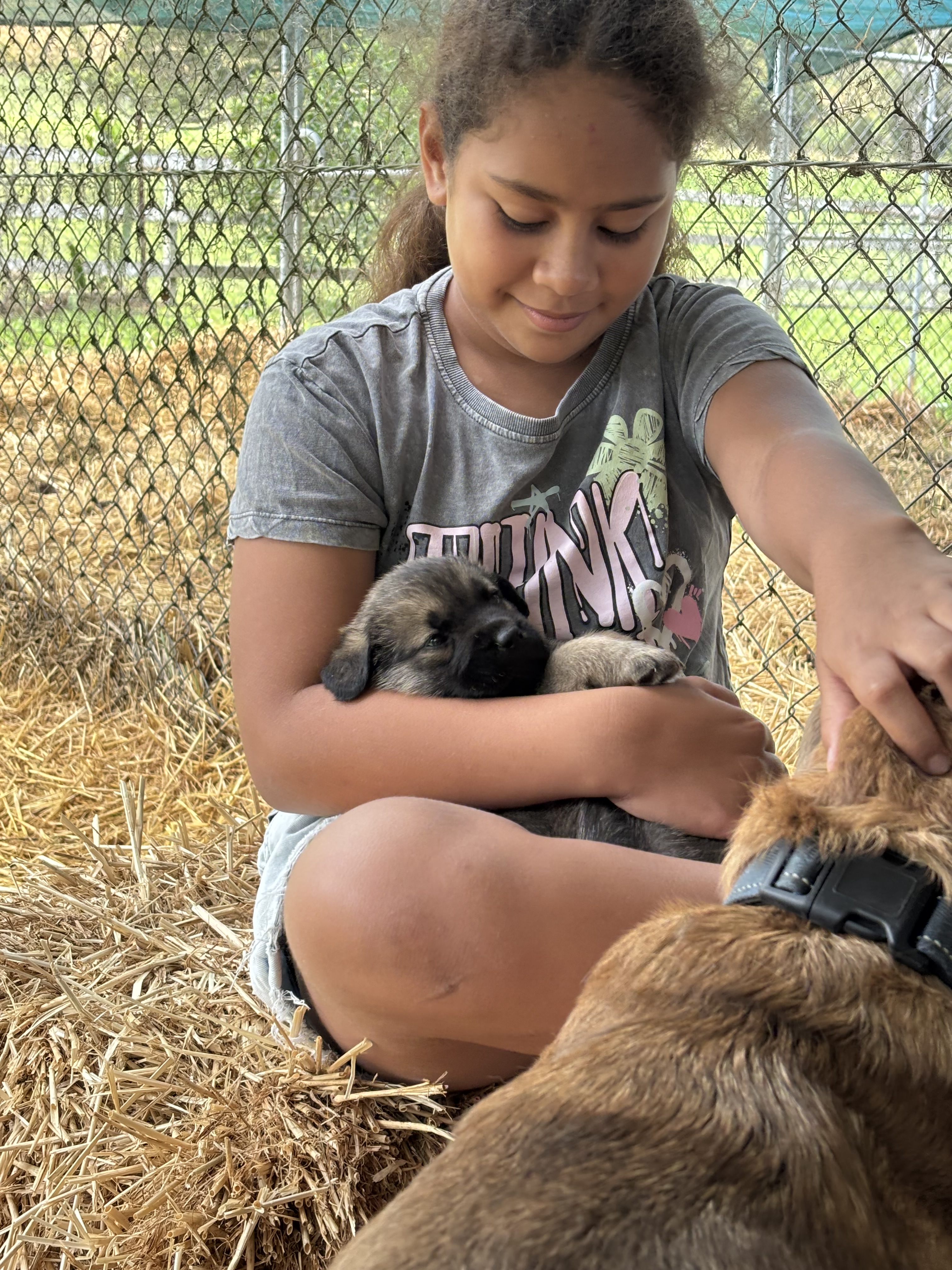
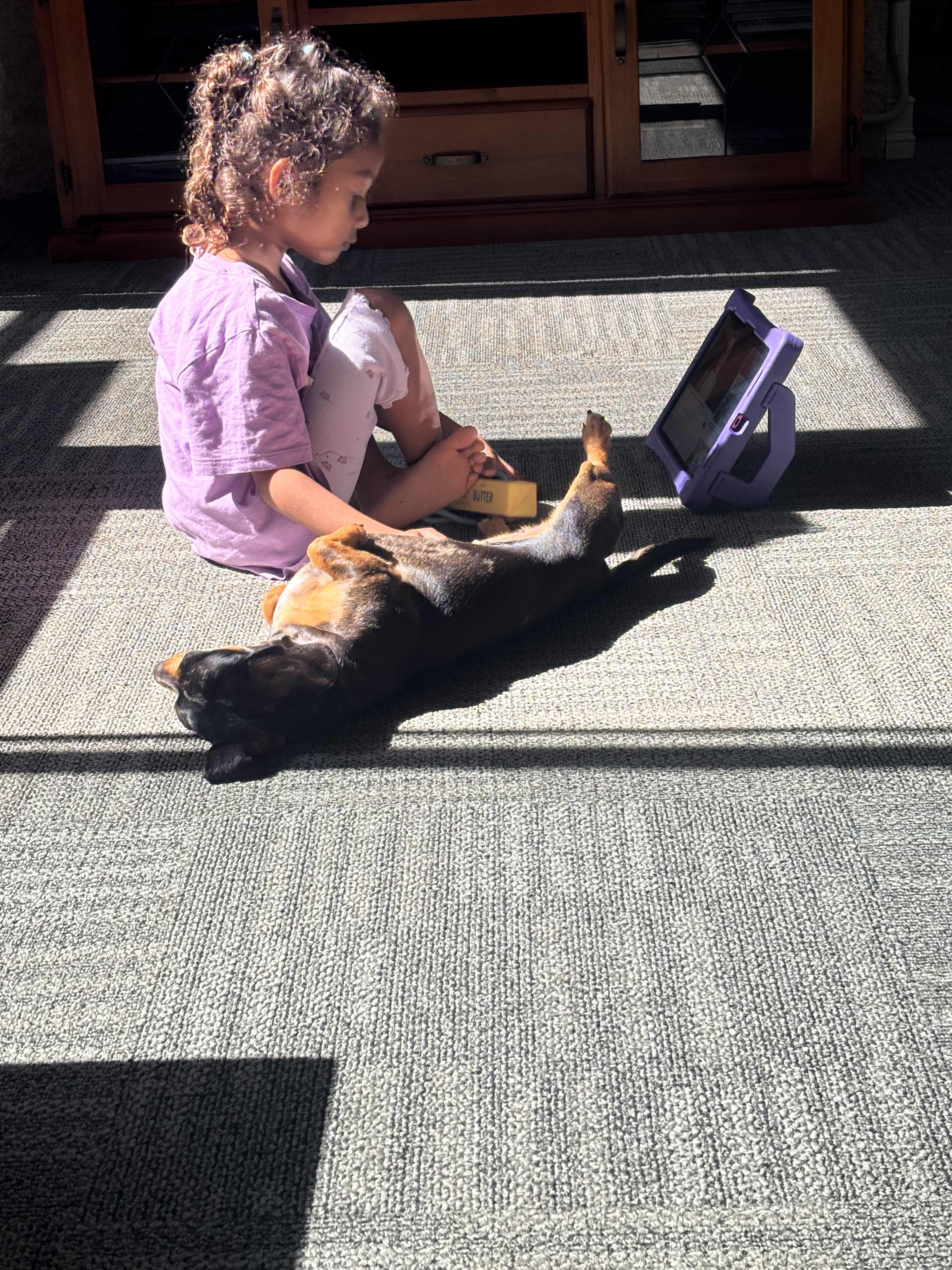
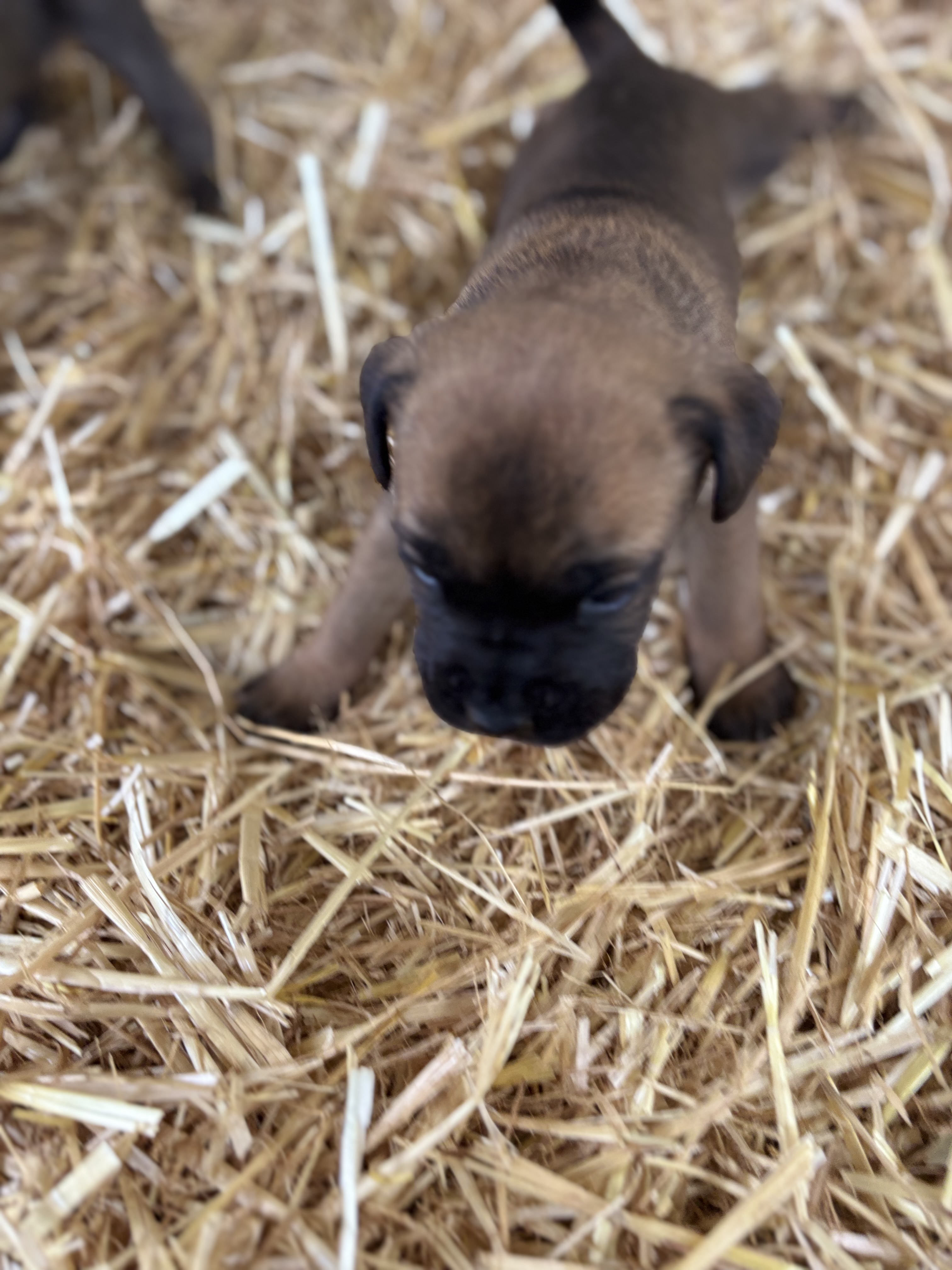
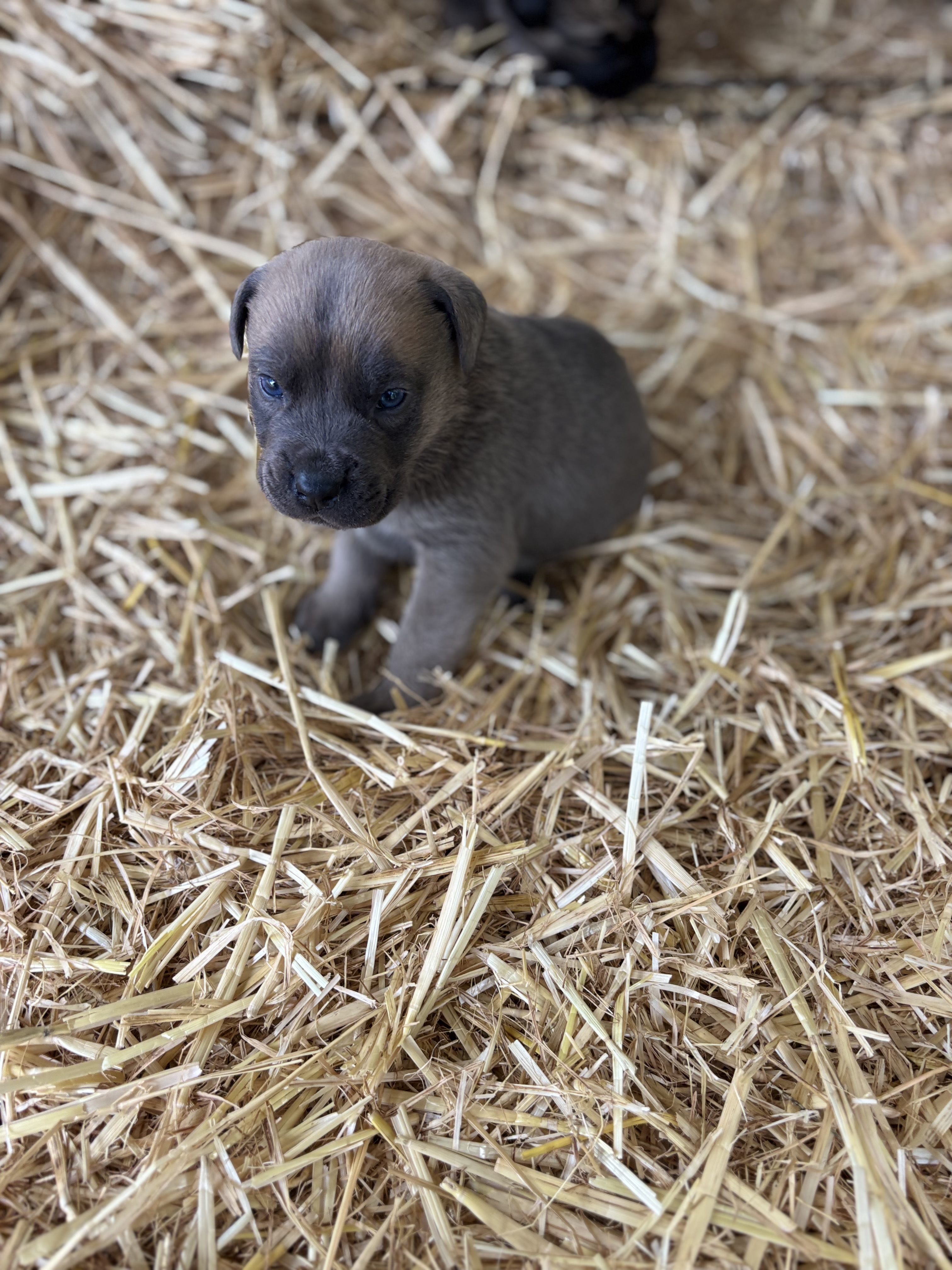






thoughts and opinions