In Seoul, Korea.
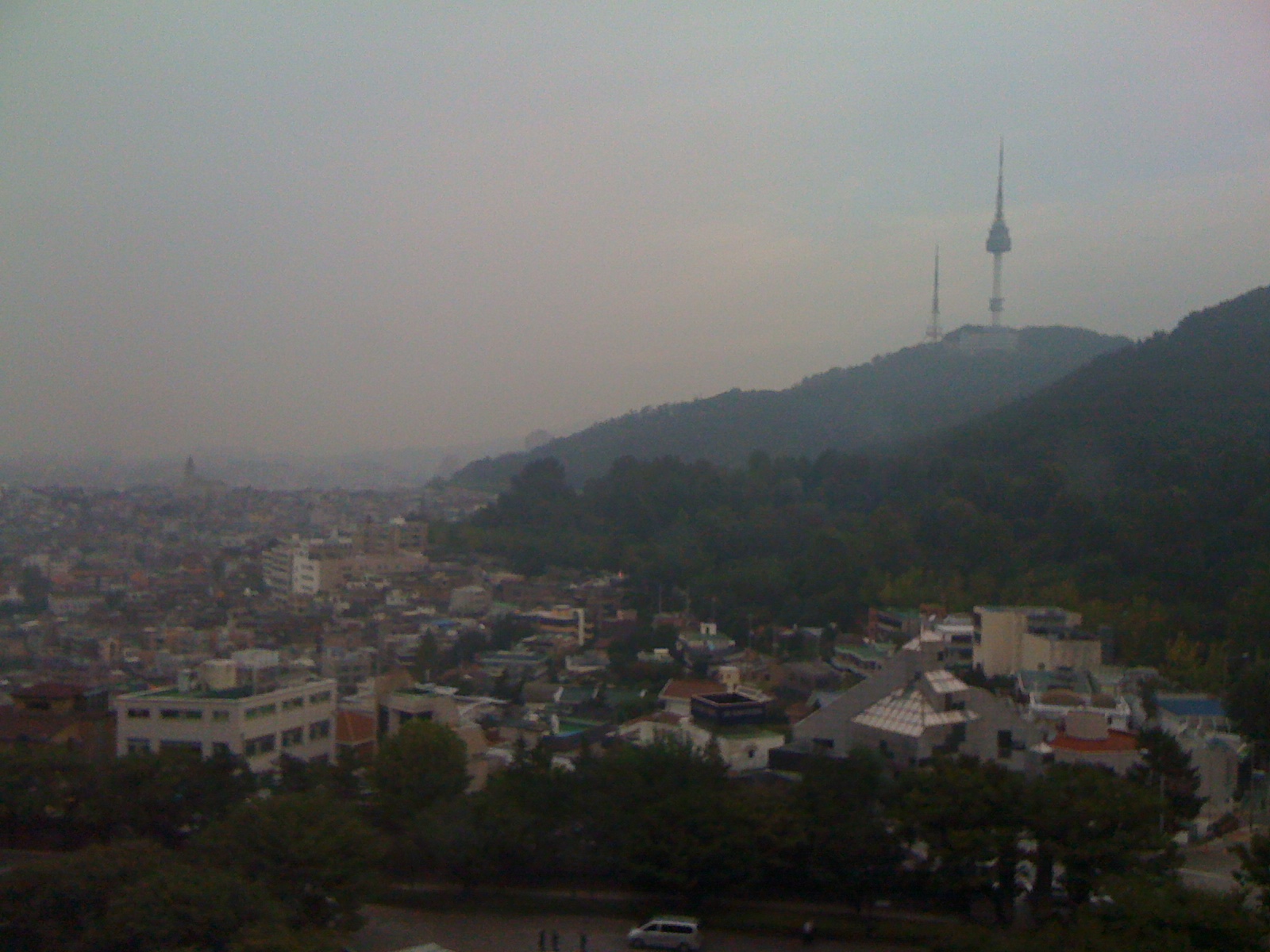 A very smoggy day, but for a city of over 10 million people it’s not too bad…
In Seoul, Korea.
A very smoggy day, but for a city of over 10 million people it’s not too bad…
Posted in DATED COMMENTARY, Seoul
Brisbane, Australia…
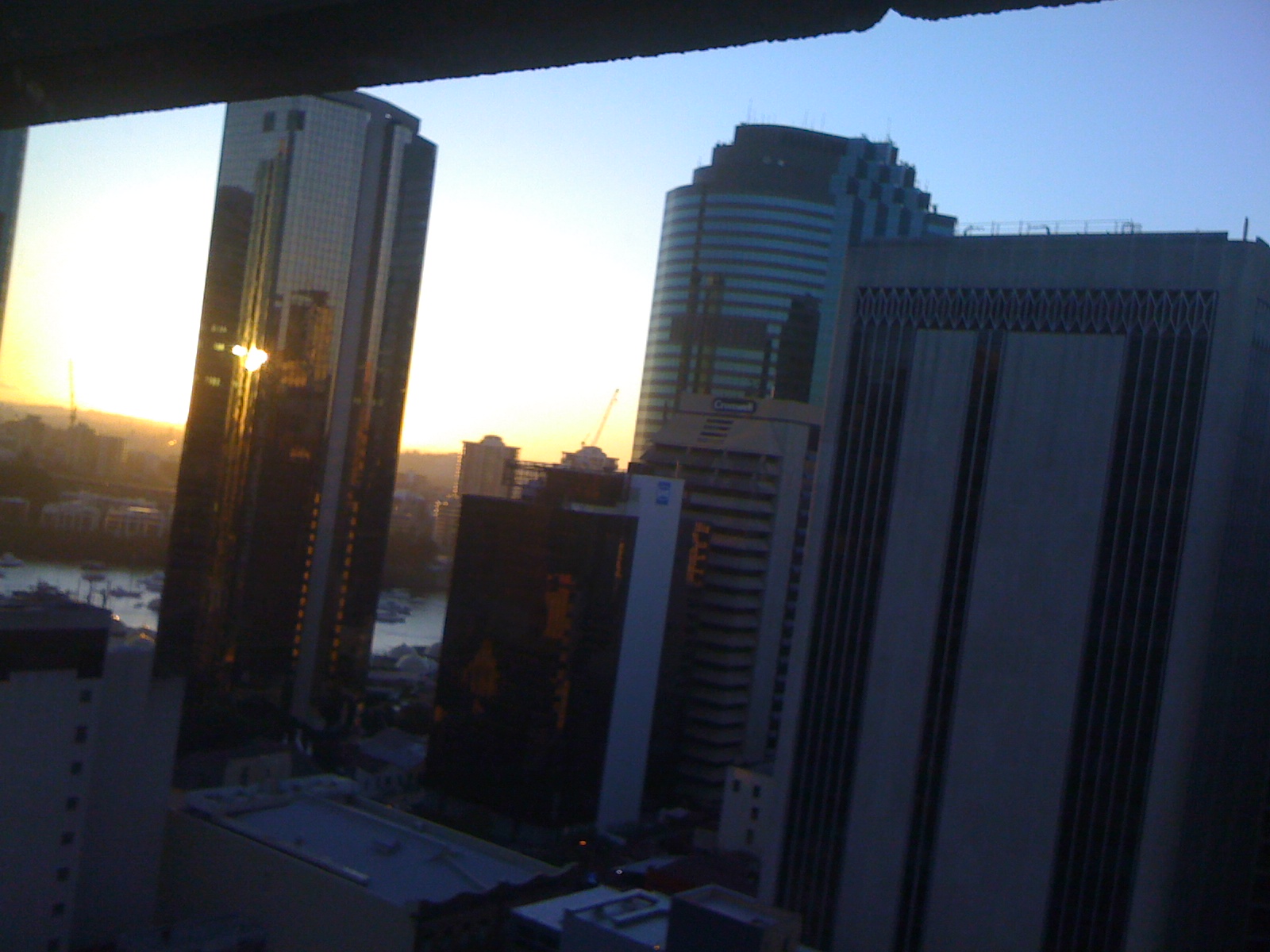 Heading to the airport for an 11 hour run to Seoul…
Posted in Brisbane, DATED COMMENTARY
This is not a post about traveling. I am on the road. Have something like 50 hours of flying and airports to do in the next 4 days. More meetings in Korea and Singapore then back to Brisbane and Honiara. It’s all gud.
But, just the other day, out side my 5th floor office window…
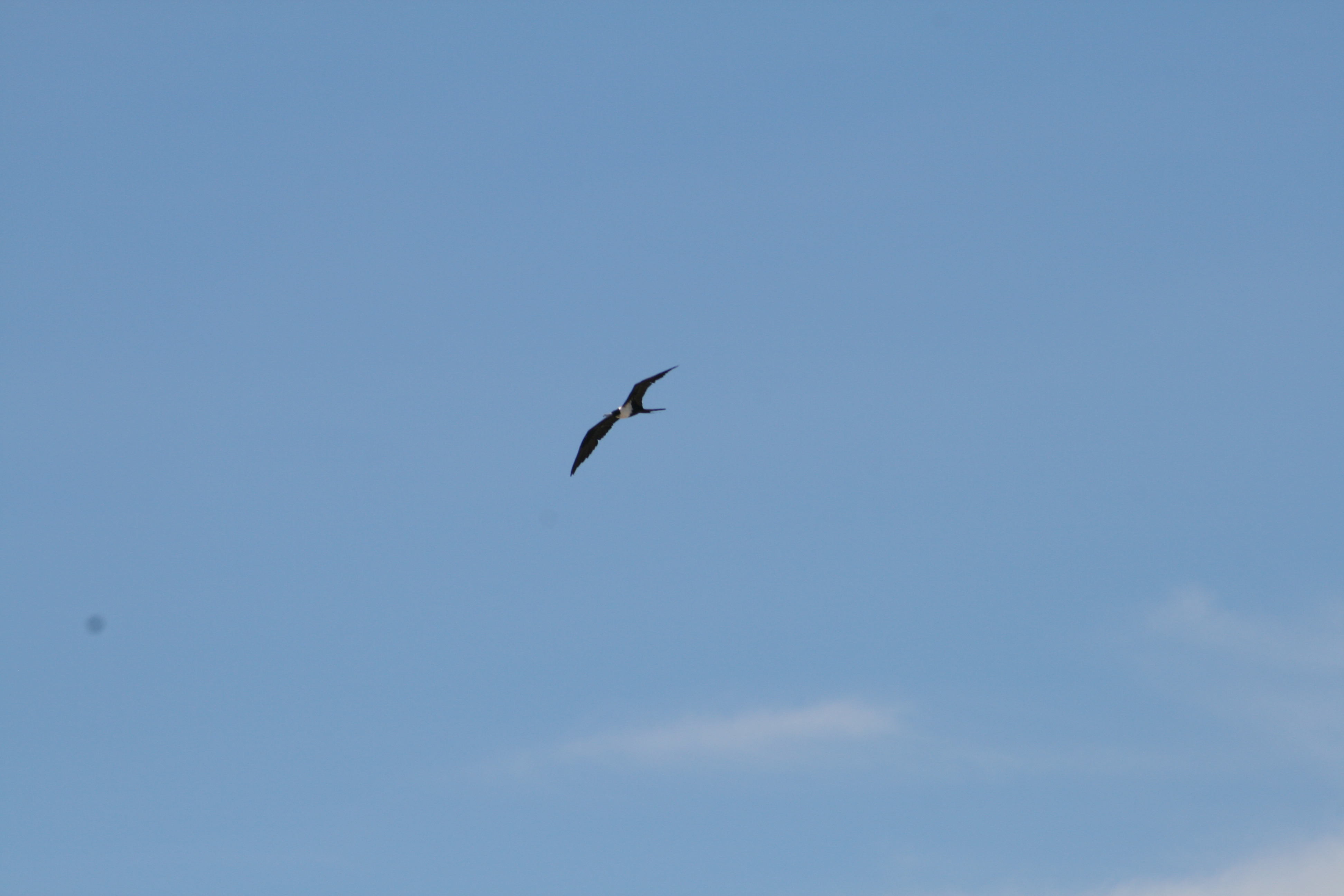 A lone Frigate Bird,
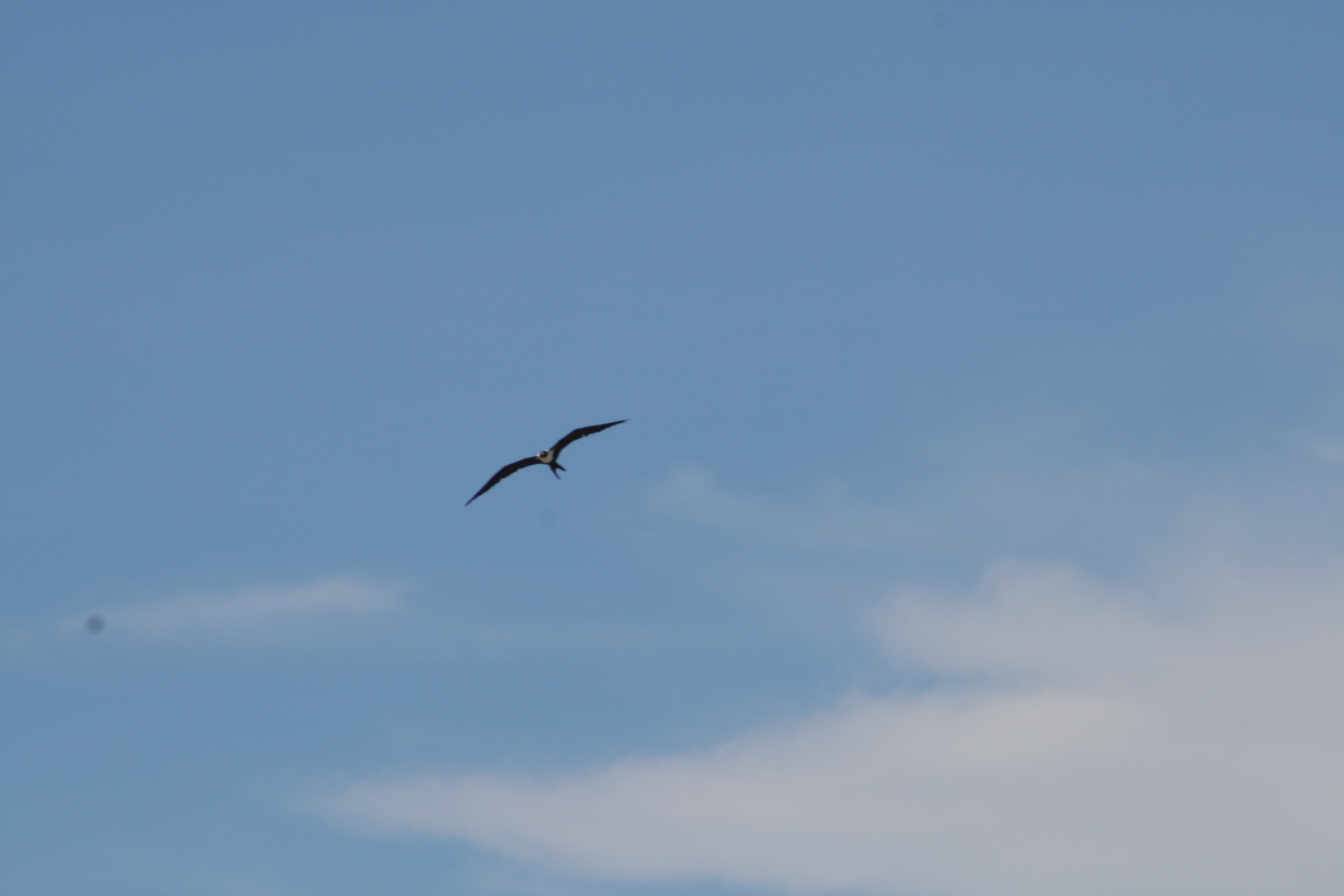 doing what appeared to be arial-batics,
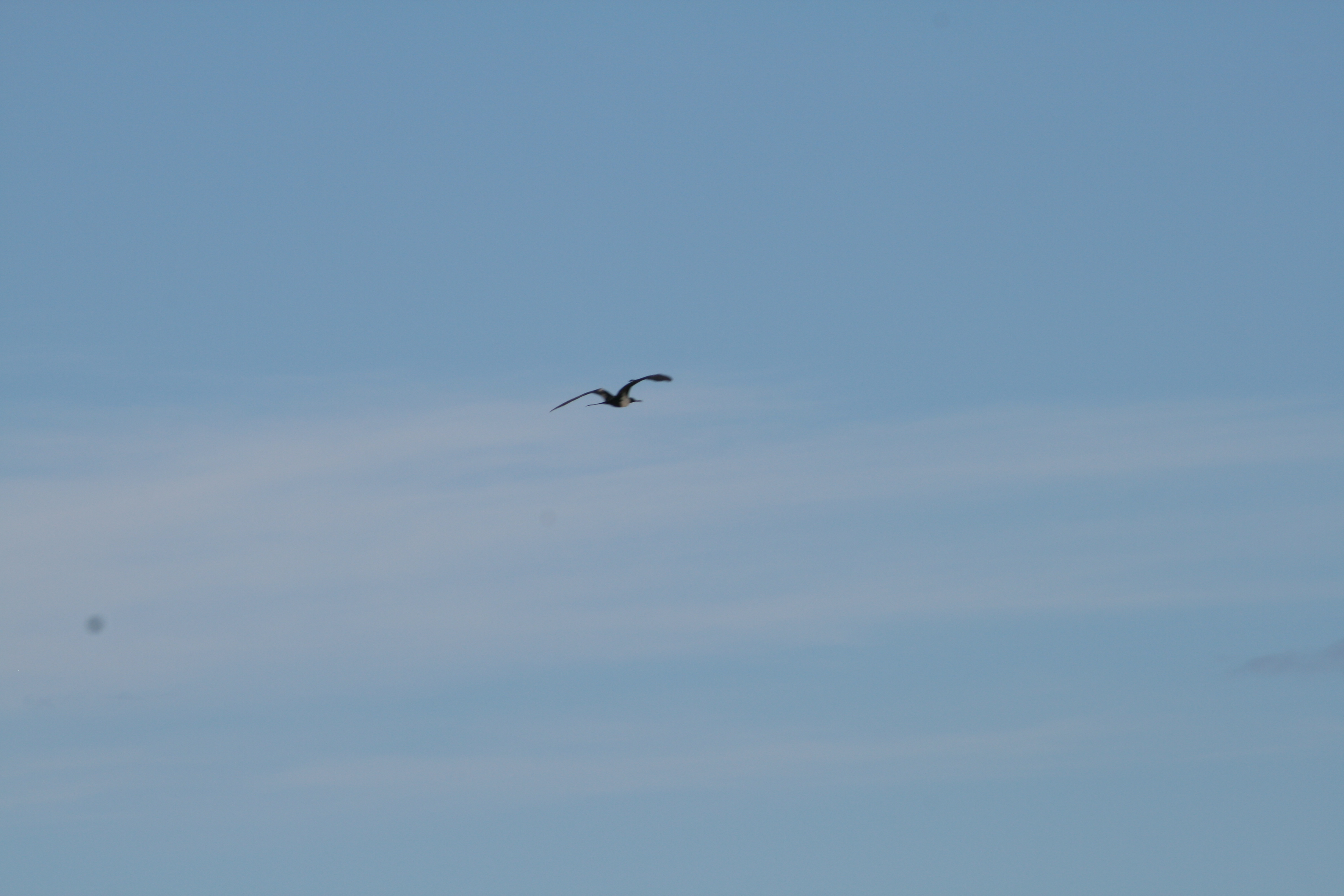 for my personal enjoyment.
Life is indeed gud.
Posted in DATED COMMENTARY, Flying High
So it’s another week’s end.
And it’s all gud.
Today was gun-metal grey, all day. A strangely calm disturbance on the water. A great day to be fishing…
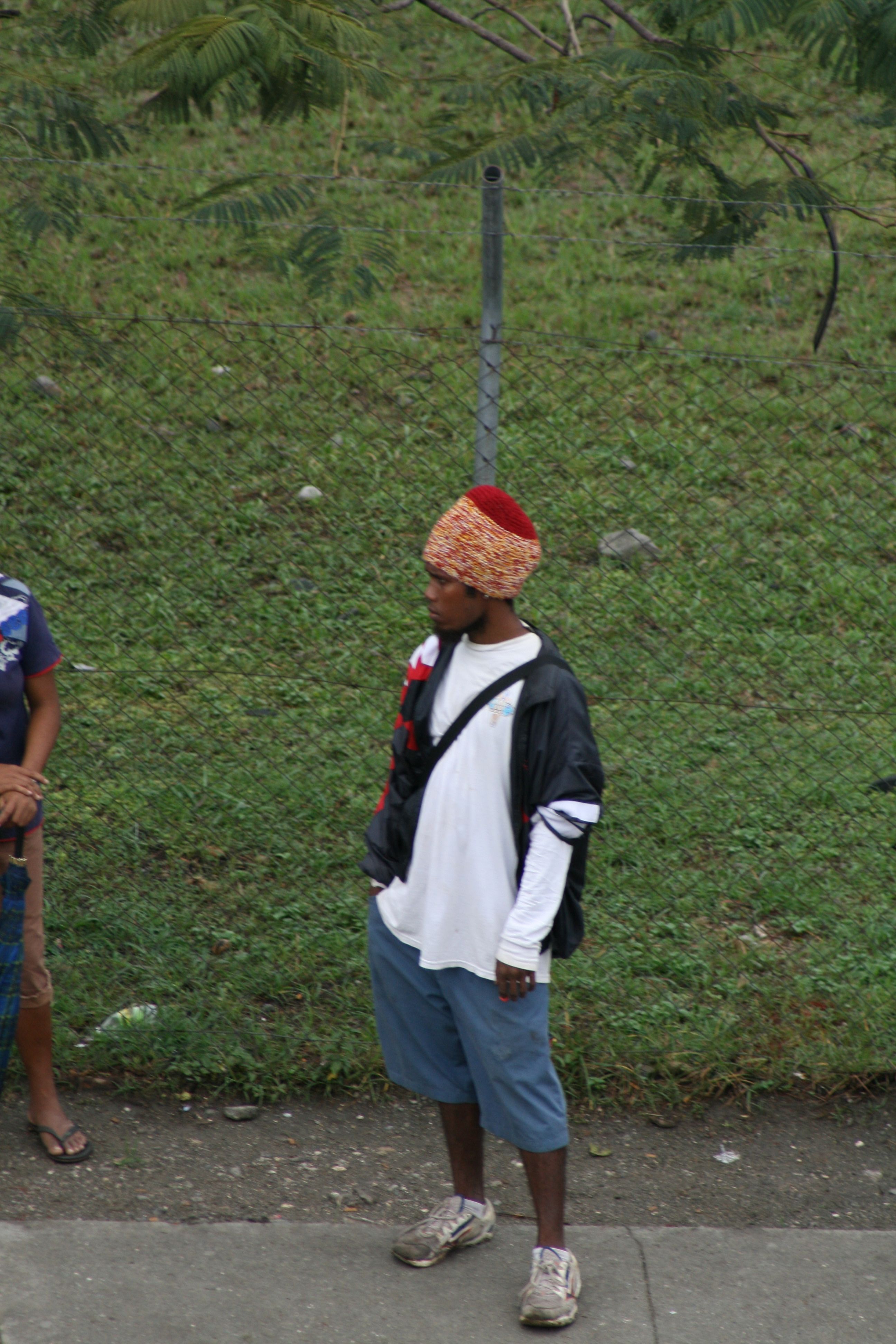
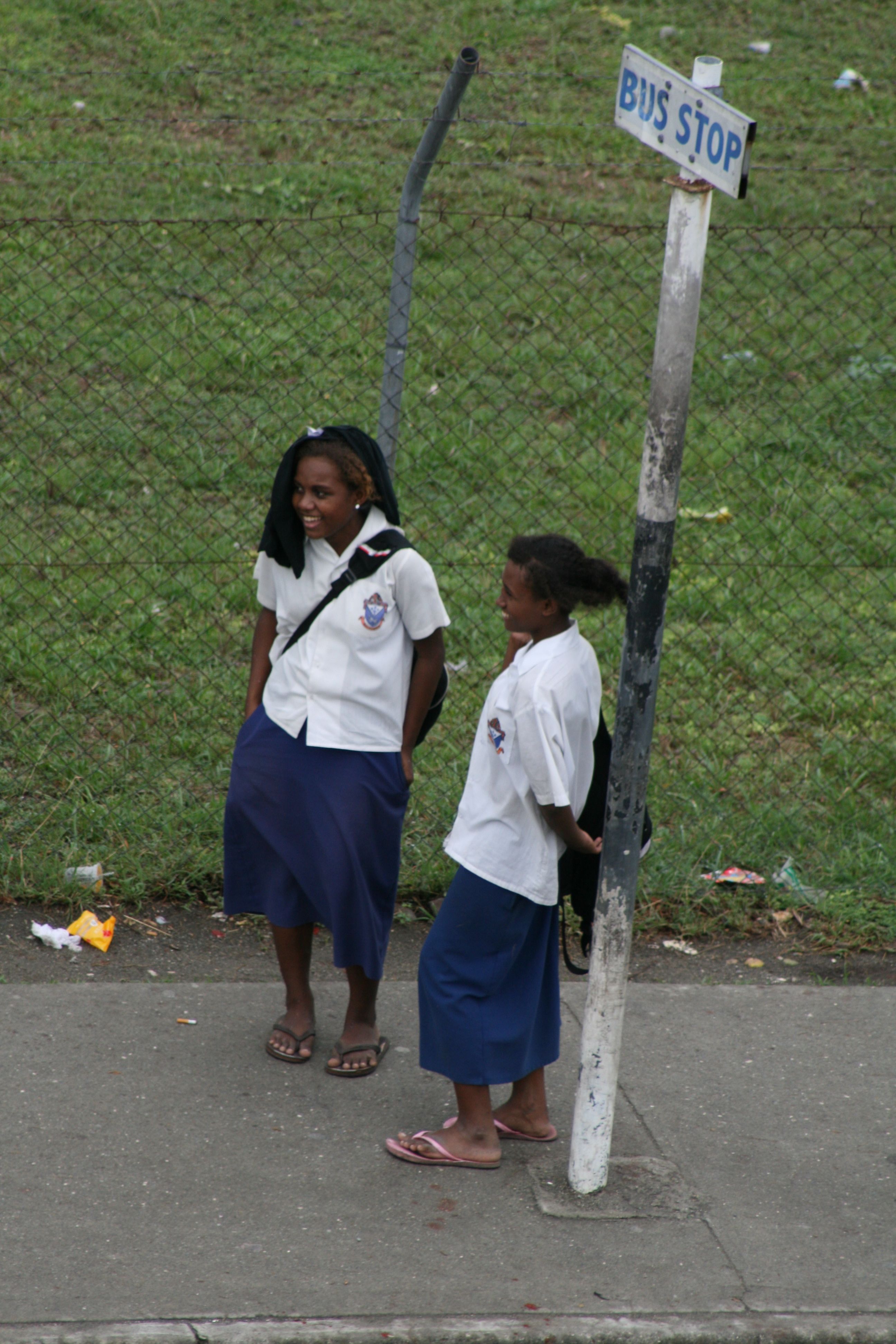
I was looking out my window and zoom’n on people at the bus stop. The girls going home from school are a joyful relief on a Friday, end-day. The tough look’n kid is on his way home from school too. Man, it was hard to be a teen ager.
It all brings a welcome smile.
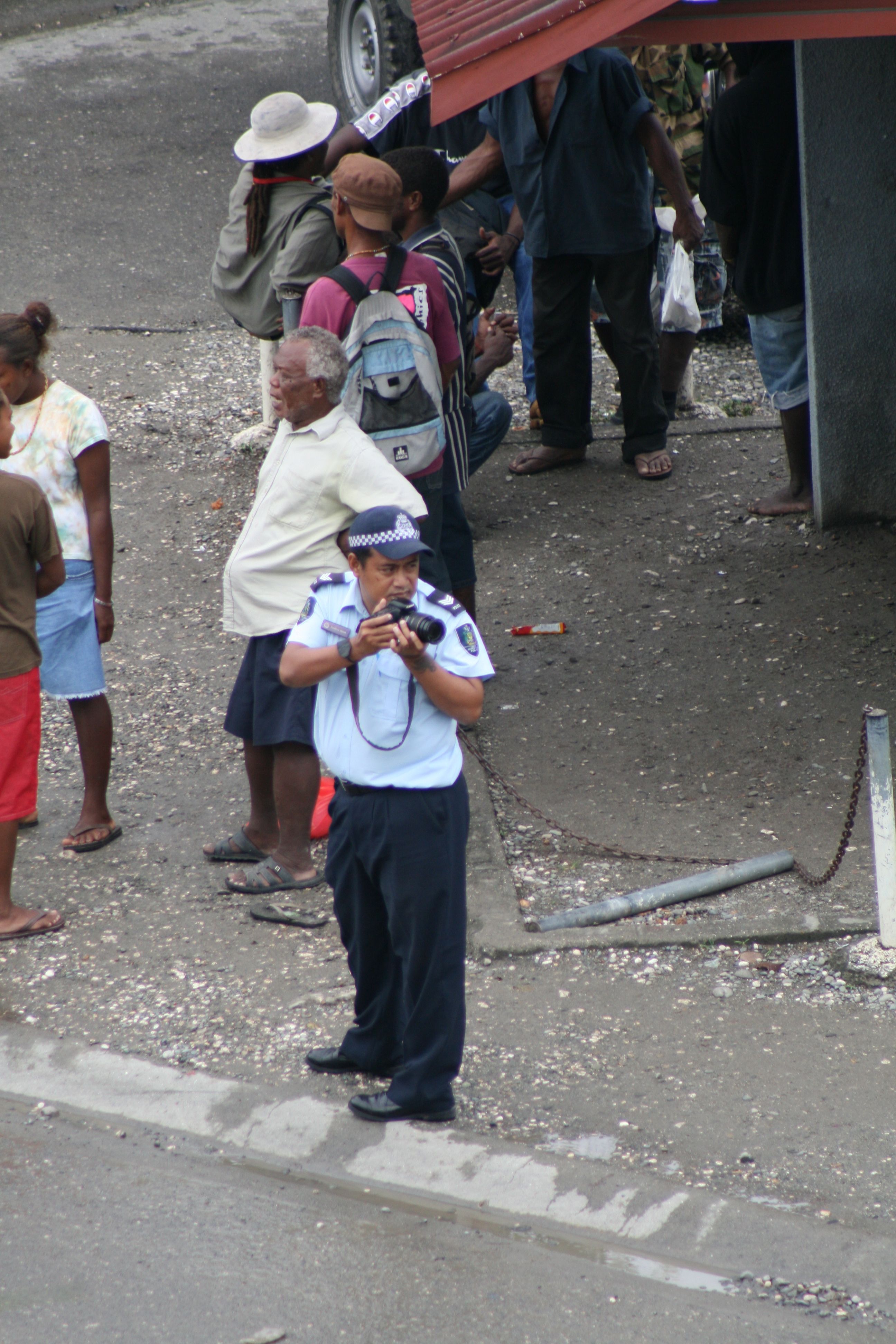
Imagine my surprise to see the copper snap’n shots of law breakers’ plates…

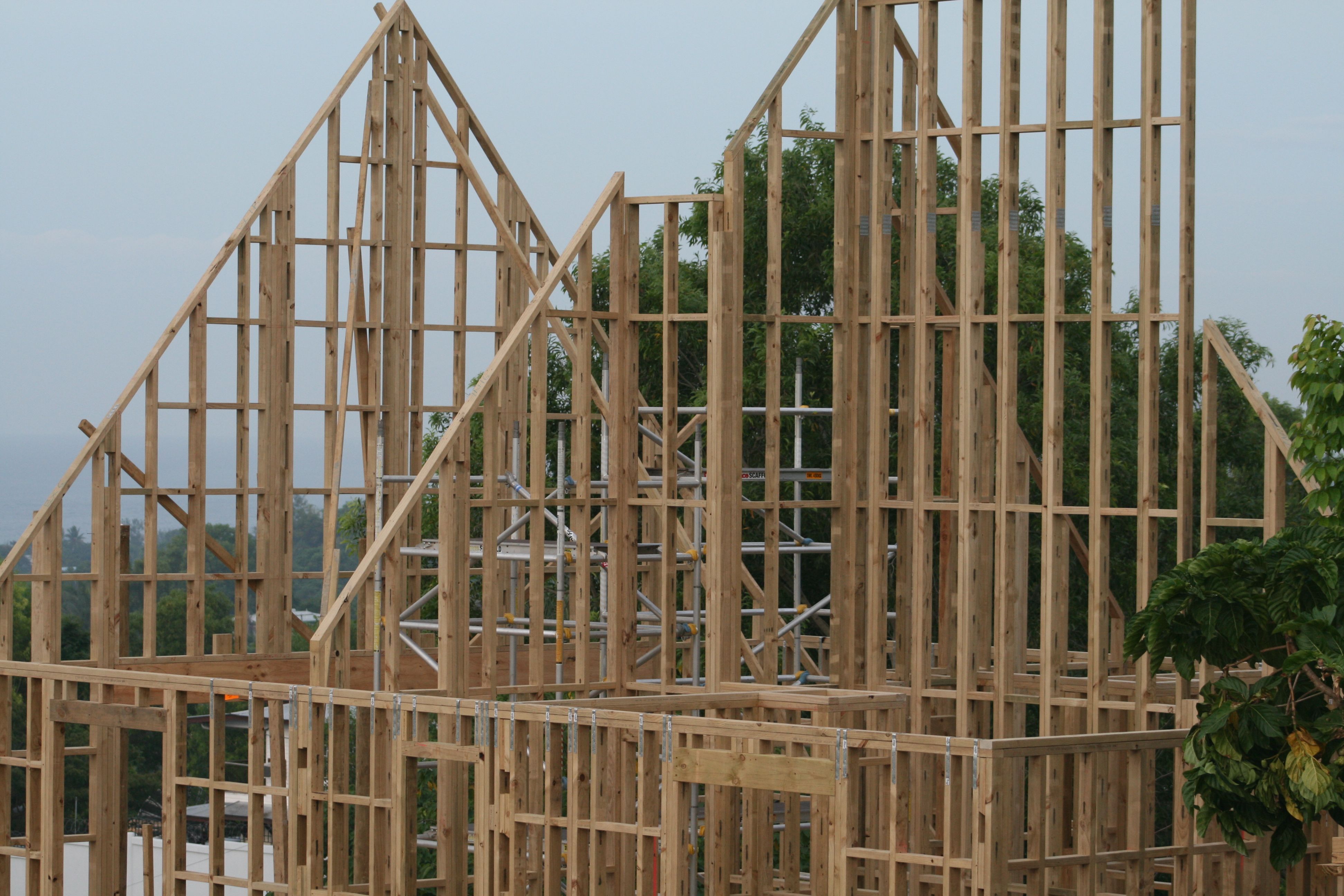
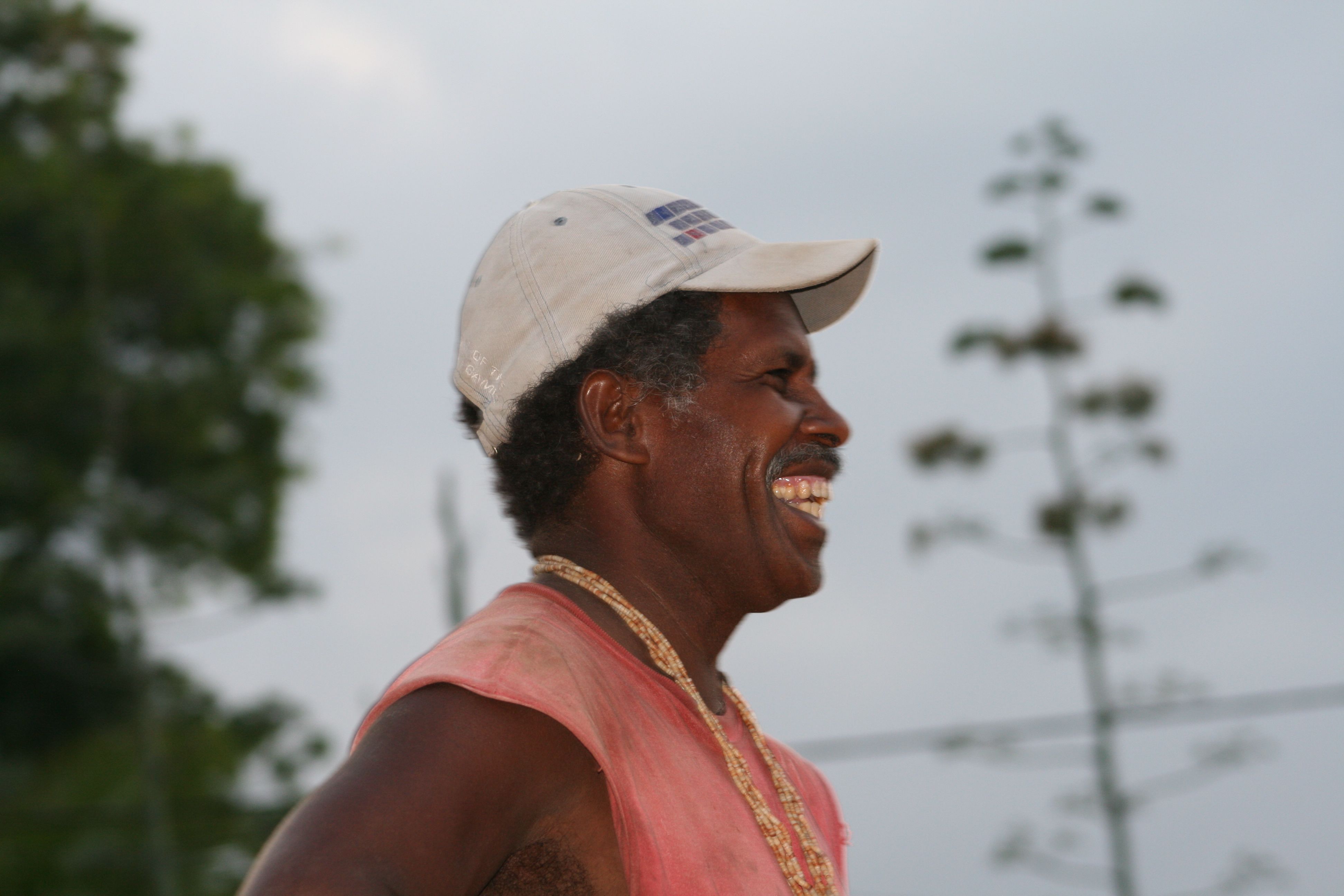

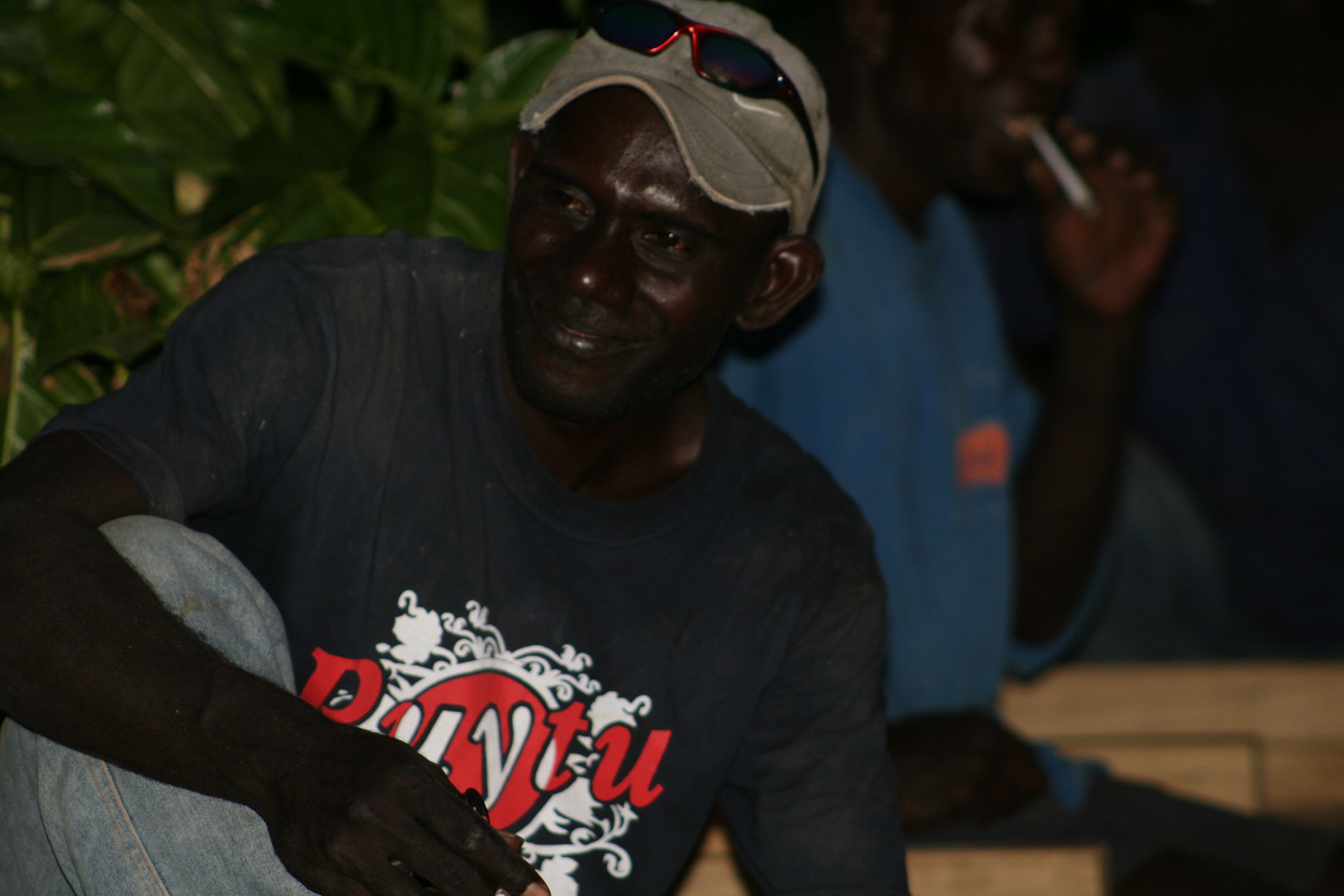
Have a building project happening right now. Way cool pre-fab gig. Had a beer after work with the guys the other day. Shots of progress do not show the amount of work these guys have done in 3 weeks…
Life is indeed gud.
Posted in another week's end, PHOTOS AND IMAGES
Letter to the Editor
On the 10th of August a letter signed by the SI National Teachers’ Association, the SI Nurses’ Association, the SI Medical Association, The SICHE National Lecturers’ Association, The SI Police Officers’ Association, the SICHE National Staff Association, the SI Public Employees Union, the SI Paramedic Association, the National Sectary of SICTU, the President of the SICTU and the SI Chamber of Commerce and Industry was sent to Prime Minister Dr. Sikua.
This letter requested the P.M. to meet with the identified leading representatives from the Private Sector to discuss the recent and unacceptable increases made in relation to Parliamentary Entitlements.
The combined effort of the above mentioned Trade Unions and the Chamber of Commerce represents a huge cross section of the Private Sector. It represents the workers and the employers. It represents no less than 50% of the National Tax base.
Of course, to date (four weeks on) there has been no meeting.
In the past four weeks there has been some back tracking by the government. We know that a Commission together to review the 50,000.00 termination grant to spouses has been formalized. But the remaining, numerous entitlement increases have been left as-is.
And this is not acceptable. Taxes are rising. Costs of goods go up every month. Wages are held static due to bad economic times. But MPs get more. And more. And more.
The reason for the combined effort from the Private Sector (the Unions and the Employers) was aimed to quickly address an important issue. An issue that is seen by the Private Sector to be crucial if not pivotal in future planning, development and profitability.
But, to date (four weeks on) there has been no meeting.
Instead there has been smoke and mirrors. The strike by the Public Employees’ Union has of course deferred attention. The various comments from MPs and Ministers alike have been against the entitlements but other than the commission reviewing the 50 grand to spouses everything has been stalled but not changed or reversed.
Dear Prime Minister,
Can the Trade Unions and the Chamber of Commerce ask you, respectfully, to respond to our August 10th letter? Your refusal or inability to respond may erroneously be interpreted as a lack of interest. Or worse, a lack of concern for the Private Sector’s thoughts and impressions per this very, very important matter.
Mike Hemmer
Chairman, SICCI
Was in a discussion that raised to memory this story by Jack London. Enjoy.
The Pyrenees, her iron sides pressed low in the water by her cargo of wheat, rolled sluggishly, and made it easy for the man who was climbing aboard from out a tiny outrigger canoe. As his eyes came level with the rail, so that he could see inboard, it seemed to him that he saw a dim, almost indiscernible haze. It was more like an illusion, like a blurring film that had spread abruptly over his eyes. He felt an inclination to brush it away, and the same instant he thought that he was growing old and that it was time to send to San Francisco for a pair of spectacles.
As he came over the rail he cast a glance aloft at the tall masts, and, next, at the pumps. They were not working. There seemed nothing the matter with the big ship, and he wondered why she had hoisted the signal of distress. He thought of his happy islanders, and hoped it was not disease. Perhaps the ship was short of water or provisions. He shook hands with the captain whose gaunt face and care-worn eyes made no secret of the trouble, whatever it was. At the same moment the newcomer was aware of a faint, indefinable smell. It seemed like that of burnt bread, but different.
He glanced curiously about him. Twenty feet away a weary-faced sailor was calking the deck. As his eyes lingered on the man, he saw suddenly arise from under his hands a faint spiral of haze that curled and twisted and was gone. By now he had reached the deck. His bare feet were pervaded by a dull warmth that quickly penetrated the thick calluses. He knew now the nature of the ship’s distress. His eyes roved swiftly forward, where the full crew of weary-faced sailors regarded him eagerly. The glance from his liquid brown eyes swept over them like a benediction, soothing them, rapping them about as in the mantle of a great peace. “How long has she been afire, Captain?” he asked in a voice so gentle and unperturbed that it was as the cooing of a dove.
At first the captain felt the peace and content of it stealing in upon him; then the consciousness of all that he had gone through and was going through smote him, and he was resentful. By what right did this ragged beachcomber, in dungaree trousers and a cotton shirt, suggest such a thing as peace and content to him and his overwrought, exhausted soul? The captain did not reason this; it was the unconscious process of emotion that caused his resentment.
“Fifteen days,” he answered shortly. “Who are you?”
“My name is McCoy,” came the answer in tones that breathed tenderness and compassion.
“I mean, are you the pilot?”
McCoy passed the benediction of his gaze over the tall, heavy-shouldered man with the haggard, unshaven face who had joined the captain.
“I am as much a pilot as anybody,” was McCoy’s answer. “We are all pilots here, Captain, and I know every inch of these waters.”
But the captain was impatient.
“What I want is some of the authorities. I want to talk with them, and blame quick.”
“Then I’ll do just as well.”
Again that insidious suggestion of peace, and his ship a raging furnace beneath his feet! The captain’s eyebrows lifted impatiently and nervously, and his fist clenched as if he were about to strike a blow with it.
“Who in hell are you?” he demanded.
“I am the chief magistrate,” was the reply in a voice that was still the softest and gentlest imaginable.
The tall, heavy-shouldered man broke out in a harsh laugh that was partly amusement, but mostly hysterical. Both he and the captain regarded McCoy with incredulity and amazement. That this barefooted beachcomber should possess such high-sounding dignity was inconceivable. His cotton shirt, unbuttoned, exposed a grizzled chest and the fact that there was no undershirt beneath.
A worn straw hat failed to hide the ragged gray hair. Halfway down his chest descended an untrimmed patriarchal beard. In any slop shop, two shillings would have outfitted him complete as he stood before them.
“Any relation to the McCoy of the Bounty?” the captain asked.
“He was my great-grandfather.”
“Oh,” the captain said, then bethought himself. ‘my name is Davenport, and this is my first mate, Mr. Konig.”
They shook hands.
“And now to business.” The captain spoke quickly, the urgency of a great haste pressing his speech. “We’ve been on fire for over two weeks. She’s ready to break all hell loose any moment. That’s why I held for Pitcairn. I want to beach her, or scuttle her, and save the hull.”
“Then you made a mistake, Captain, said McCoy. “You should have slacked away for Mangareva. There’s a beautiful beach there, in a lagoon where the water is like a mill pond.”
“But we’re here, ain’t we?” the first mate demanded. “That’s the point. We’re here, and we’ve got to do something.”
McCoy shook his head kindly.
“You can do nothing here. There is no beach. There isn’t even anchorage.”
“Gammon!” said the mate. “Gammon!” he repeated loudly, as the captain signaled him to be more soft spoken. “You can’t tell me that sort of stuff. Where d’ye keep your own boats, hey–your schooner, or cutter, or whatever you have? Hey? Answer me that.”
McCoy smiled as gently as he spoke. His smile was a caress, an embrace that surrounded the tired mate and sought to draw him into the quietude and rest of McCoy’s tranquil soul.
“We have no schooner or cutter,” he replied. “And we carry our canoes to the top of the cliff.”
“You’ve got to show me,” snorted the mate. “How d’ye get around to the other islands, heh? Tell me that.”
“We don’t get around. As governor of Pitcairn, I sometimes go. When I was younger, I was away a great deal–sometimes on the trading schooners, but mostly on the missionary brig. But she’s gone now, and we depend on passing vessels. Sometimes we have had as high as six calls in one year. At other times, a year, and even longer, has gone by without one passing ship. Yours is the first in seven months.”
“And you mean to tell me–” the mate began.
But Captain Davenport interfered.
“Enough of this. We’re losing time. What is to be done, Mr. McCoy?”
The old man turned his brown eyes, sweet as a woman’s, shoreward, and both captain and mate followed his gaze around from the lonely rock of Pitcairn to the crew clustering forward and waiting anxiously for the announcement of a decision. ‘mcCoy did not hurry. He thought smoothly and slowly, step by step, with the certitude of a mind that was never vexed or outraged by life.
“The wind is light now,” he said finally. “There is a heavy current setting to the westward.”
“That’s what made us fetch to leeward,” the captain interrupted, desiring to vindicate his seamanship.
“Yes, that is what fetched you to leeward,” McCoy went on. “Well, you can’t work up against this current today. And if you did, there is no beach. Your ship will be a total loss.”
He paused, and captain and mate looked despair at each other.
“But I will tell you what you can do. The breeze will freshen tonight around midnight–see those tails of clouds and that thickness to windward, beyond the point there? That’s where she’ll come from, out of the southeast, hard. It is three hundred miles to Mangareva. Square away for it. There is a beautiful bed for your ship there.”
The mate shook his head.
“Come in to the cabin, and we’ll look at the chart,” said the captain.
McCoy found a stifling, poisonous atmosphere in the pent cabin. Stray waftures of invisible gases bit his eyes and made them sting. The deck was hotter, almost unbearably hot to his bare feet. The sweat poured out of his body. He looked almost with apprehension about him. This malignant, internal heat was astounding. It was a marvel that the cabin did not burst into flames. He had a feeling as if of being in a huge bake oven where the heat might at any moment increase tremendously and shrivel him up like a blade of grass.
As he lifted one foot and rubbed the hot sole against the leg of his trousers, the mate laughed in a savage, snarling fashion.
“The anteroom of hell,” he said. “Hell herself is right down there under your feet.”
“It’s hot!” McCoy cried involuntarily, mopping his face with a bandana handkerchief.
“Here’s Mangareva,” the captain said, bending over the table and pointing to a black speck in the midst of the white blankness of the chart. “And here, in between, is another island. Why not run for that?”
McCoy did not look at the chart.
“That’s Crescent Island,” he answered. “It is uninhabited, and it is only two or three feet above water. Lagoon, but no entrance. No, Mangareva is the nearest place for your purpose.”
“Mangareva it is, then,” said Captain Davenport, interrupting the mate’s growling objection. “Call the crew aft, Mr. Konig.”
The sailors obeyed, shuffling wearily along the deck and painfully endeavoring to make haste. Exhaustion was evident in every movement. The cook came out of his galley to hear, and the cabin boy hung about near him.
When Captain Davenport had explained the situation and announced his intention of running for Mangareva, an uproar broke out. Against a background of throaty rumbling arose inarticulate cries of rage, with here and there a distinct curse, or word, or phrase. A shrill Cockney voice soared and dominated for a moment, crying: “Gawd! After bein’ in ell for fifteen days–an’ now e wants us to sail this floatin’ ell to sea again?”
The captain could not control them, but McCoy’s gentle presence seemed to rebuke and calm them, and the muttering and cursing died away, until the full crew, save here and there an anxious face directed at the captain, yearned dumbly toward the green clad peaks and beetling coast of Pitcairn.
Soft as a spring zephyr was the voice of McCoy:
“Captain, I thought I heard some of them say they were starving.”
“Ay,” was the answer, “and so we are. I’ve had a sea biscuit and a spoonful of salmon in the last two days. We’re on whack. You see, when we discovered the fire, we battened down immediately to suffocate the fire. And then we found how little food there was in the pantry. But it was too late. We didn’t dare break out the lazarette. Hungry? I’m just as hungry as they are.”
He spoke to the men again, and again the throat rumbling and cursing arose, their faces convulsed and animal-like with rage. The second and third mates had joined the captain, standing behind him at the break of the poop. Their faces were set and expressionless; they seemed bored, more than anything else, by this mutiny of the crew. Captain Davenport glanced questioningly at his first mate, and that person merely shrugged his shoulders in token of his helplessness.
“You see,” the captain said to McCoy, “you can’t compel sailors to leave the safe land and go to sea on a burning vessel. She has been their floating coffin for over two weeks now. They are worked out, and starved out, and they’ve got enough of her. We’ll beat up for Pitcairn.”
But the wind was light, the Pyrenees’ bottom was foul, and she could not beat up against the strong westerly current. At the end of two hours she had lost three miles. The sailors worked eagerly, as if by main strength they could compel the PYRENEES against the adverse elements. But steadily, port tack and starboard tack, she sagged off to the westward. The captain paced restlessly up and down, pausing occasionally to survey the vagrant smoke wisps and to trace them back to the portions of the deck from which they sprang. The carpenter was engaged constantly in attempting to locate such places, and, when he succeeded, in calking them tighter and tighter.
“Well, what do you think?” the captain finally asked McCoy, who was watching the carpenter with all a child’s interest and curiosity in his eyes.
McCoy looked shoreward, where the land was disappearing in the thickening haze.
“I think it would be better to square away for Mangareva. With that breeze that is coming, you’ll be there tomorrow evening.”
“But what if the fire breaks out? It is liable to do it any moment.”
“Have your boats ready in the falls. The same breeze will carry your boats to Mangareva if the ship burns out from under.”
Captain Davenport debated for a moment, and then McCoy heard the question he had not wanted to hear, but which he knew was surely coming.
“I have no chart of Mangareva. On the general chart it is only a fly speck. I would not know where to look for the entrance into the lagoon. Will you come along and pilot her in for me?”
McCoy’s serenity was unbroken.
“Yes, Captain,” he said, with the same quiet unconcern with which he would have accepted an invitation to dinner; “I’ll go with you to Mangareva.”
Again the crew was called aft, and the captain spoke to them from the break of the poop.
“We’ve tried to work her up, but you see how we’ve lost ground. She’s setting off in a two-knot current. This gentleman is the Honorable McCoy, Chief Magistrate and Governor of Pitcairn Island. He will come along with us to Mangareva. So you see the situation is not so dangerous. He would not make such an offer if he thought he was going to lose his life. Besides, whatever risk there is, if he of his own free will come on board and take it, we can do no less. What do you say for Mangareva?”
This time there was no uproar. ‘mcCoy’s presence, the surety and calm that seemed to radiate from him, had had its effect. They conferred with one another in low voices. There was little urging. They were virtually unanimous, and they shoved the Cockney out as their spokesman. That worthy was overwhelmed with consciousness of the heroism of himself and his mates, and with flashing eyes he cried:
“By Gawd! If ‘e will, we will!”
The crew mumbled its assent and started forward.
“One moment, Captain,” McCoy said, as the other was turning to give orders to the mate. “I must go ashore first.”
Mr. Konig was thunderstruck, staring at McCoy as if he were a madman.
“Go ashore!” the captain cried. “What for? It will take you three hours to get there in your canoe.”
McCoy measured the distance of the land away, and nodded.
“Yes, it is six now. I won’t get ashore till nine. The people cannot be assembled earlier than ten. As the breeze freshens up tonight, you can begin to work up against it, and pick me up at daylight tomorrow morning.”
“In the name of reason and common sense,” the captain burst forth, “what do you want to assemble the people for? Don’t you realize that my ship is burning beneath me?”
McCoy was as placid as a summer sea, and the other’s anger produced not the slightest ripple upon it.
“Yes, Captain,” he cooed in his dove-like voice. “I do realize that your ship is burning. That is why I am going with you to Mangareva. But I must get permission to go with you. It is our custom. It is an important matter when the governor leaves the island. The people’s interests are at stake, and so they have the right to vote their permission or refusal. But they will give it, I know that.”
“Are you sure?”
“Quite sure.”
“Then if you know they will give it, why bother with getting it? Think of the delay–a whole night.”
“It is our custom,” was the imperturbable reply. “Also, I am the governor, and I must make arrangements for the conduct of the island during my absence.”
“But it is only a twenty-four hour run to Mangareva,” the captain objected. “Suppose it took you six times that long to return to windward; that would bring you back by the end of a week.”
McCoy smiled his large, benevolent smile.
“Very few vessels come to Pitcairn, and when they do, they are usually from San Francisco or from around the Horn. I shall be fortunate if I get back in six months. I may be away a year, and I may have to go to San Francisco in order to find a vessel that will bring me back. ‘my father once left Pitcairn to be gone three months, and two years passed before he could get back. Then, too, you are short of food. If you have to take to the boats, and the weather comes up bad, you may be days in reaching land. I can bring off two canoe loads of food in the morning. Dried bananas will be best. As the breeze freshens, you beat up against it. The nearer you are, the bigger loads I can bring off. Goodby.”
He held out his hand. The captain shook it, and was reluctant to let go. He seemed to cling to it as a drowning sailor clings to a life buoy.
“How do I know you will come back in the morning?” he asked.
“Yes, that’s it!” cried the mate. “How do we know but what he’s skinning out to save his own hide?”
McCoy did not speak. He looked at them sweetly and benignantly, and it seemed to them that they received a message from his tremendous certitude of soul.
The captain released his hand, and, with a last sweeping glance that embraced the crew in its benediction, McCoy went over the rail and descended into his canoe.
The wind freshened, and the Pyrenees, despite the foulness of her bottom, won half a dozen miles away from the westerly current. At daylight, with Pitcairn three miles to windward, Captain Davenport made out two canoes coming off to him. Again McCoy clambered up the side and dropped over the rail to the hot deck. He was followed by many packages of dried bananas, each package wrapped in dry leaves.
“Now, Captain,” he said, “swing the yards and drive for dear life. You see, I am no navigator,” he explained a few minutes later, as he stood by the captain aft, the latter with gaze wandering from aloft to overside as he estimated the Pyrenees’ speed. “You must fetch her to Mangareva. When you have picked up the land, then I will pilot her in. What do you think she is making?”
“Eleven,” Captain Davenport answered, with a final glance at the water rushing past.
“Eleven. Let me see, if she keeps up that gait, we’ll sight Mangareva between eight and nine o’clock tomorrow morning. I’ll have her on the beach by ten or by eleven at latest. And then your troubles will be all over.”
It almost seemed to the captain that the blissful moment had already arrived, such was the persuasive convincingness of McCoy.
Captain Davenport had been under the fearful strain of navigating his burning ship for over two weeks, and he was beginning to feel that he had had enough.
A heavier flaw of wind struck the back of his neck and whistled by his ears. He measured the weight of it, and looked quickly overside.
“The wind is making all the time,” he announced. “The old girl’s doing nearer twelve than eleven right now. If this keeps up, we’ll be shortening down tonight.”
All day the Pyrenees, carrying her load of living fire, tore across the foaming sea. By nightfall, royals and topgallantsails were in, and she flew on into the darkness, with great, crested seas roaring after her. The auspicious wind had had its effect, and fore and aft a visible brightening was apparent. In the second dog-watch some careless soul started a song, and by eight bells the whole crew was singing.
Captain Davenport had his blankets brought up and spread on top the house.
“I’ve forgotten what sleep is,” he explained to McCoy. “I’m all in. But give me a call at any time you think necessary.”
At three in the morning he was aroused by a gentle tugging at his arm. He sat up quickly, bracing himself against the skylight, stupid yet from his heavy sleep. The wind was thrumming its war song in the rigging, and a wild sea was buffeting the PYRENEES. Amidships she was wallowing first one rail under and then the other, flooding the waist more often than not. ‘mcCoy was shouting something he could not hear. He reached out, clutched the other by the shoulder, and drew him close so that his own ear was close to the other’s lips.
“It’s three o’clock,” came McCoy’s voice, still retaining its dovelike quality, but curiously muffled, as if from a long way off. “We’ve run two hundred and fifty. Crescent Island is only thirty miles away, somewhere there dead ahead. There’s no lights on it. If we keep running, we’ll pile up, and lose ourselves as well as the ship.”
“What d’ ye think–heave to?”
“Yes; heave to till daylight. It will only put us back four hours.”
So the Pyrenees, with her cargo of fire, was hove to, bitting the teeth of the gale and fighting and smashing the pounding seas. She was a shell, filled with a conflagration, and on the outside of the shell, clinging precariously, the little motes of men, by pull and haul, helped her in the battle.
“It is most unusual, this gale,” McCoy told the captain, in the lee of the cabin. “By rights there should be no gale at this time of the year. But everything about the weather has been unusual. There has been a stoppage of the trades, and now it’s howling right out of the trade quarter.” He waved his hand into the darkness, as if his vision could dimly penetrate for hundreds of miles. “It is off to the westward. There is something big making off there somewhere–a hurricane or something. We’re lucky to be so far to the eastward. But this is only a little blow,” he added. “It can’t last. I can tell you that much.”
By daylight the gale had eased down to normal. But daylight revealed a new danger. It had come on thick. The sea was covered by a fog, or, rather, by a pearly mist that was fog-like in density, in so far as it obstructed vision, but that was no more than a film on the sea, for the sun shot it through and filled it with a glowing radiance.
The deck of the Pyrenees was making more smoke than on the preceding day, and the cheerfulness of officers and crew had vanished. In the lee of the galley the cabin boy could be heard whimpering. It was his first voyage, and the fear of death was at his heart. The captain wandered about like a lost soul, nervously chewing his mustache, scowling, unable to make up his mind what to do.
“What do you think?” he asked, pausing by the side of McCoy, who was making a breakfast off fried bananas and a mug of water.
McCoy finished the last banana, drained the mug, and looked slowly around. In his eyes was a smile of tenderness as he said:
“Well, Captain, we might as well drive as burn. Your decks are not going to hold out forever. They are hotter this morning. You haven’t a pair of shoes I can wear? It is getting uncomfortable for my bare feet.”
The Pyrenees shipped two heavy seas as she was swung off and put once more before it, and the first mate expressed a desire to have all that water down in the hold, if only it could be introduced without taking off the hatches. ‘mcCoy ducked his head into the binnacle and watched the course set.
“I’d hold her up some more, Captain,” he said. “She’s been making drift when hove to.”
“I’ve set it to a point higher already,” was the answer. “Isn’t that enough?”
“I’d make it two points, Captain. This bit of a blow kicked that westerly current ahead faster than you imagine.”
Captain Davenport compromised on a point and a half, and then went aloft, accompanied by McCoy and the first mate, to keep a lookout for land. Sail had been made, so that the Pyrenees was doing ten knots. The following sea was dying down rapidly. There was no break in the pearly fog, and by ten o’clock Captain Davenport was growing nervous. Al l hands were at their stations, ready, at the first warning of land ahead, to spring like fiends to the task of bringing the Pyrenees up on the wind. That land ahead, a surf-washed outer reef, would be perilously close when it revealed itself in such a fog.
Another hour passed. The three watchers aloft stared intently into the pearly radiance.”What if we miss Mangareva?” Captain Davenport asked abruptly.
McCoy, without shifting his gaze, answered softly:
“Why, let her drive, captain. That is all we can do. All the Paumotus are before us. We can drive for a thousand miles through reefs and atolls. We are bound to fetch up somewhere.”
“Then drive it is.” Captain Davenport evidenced his intention of descending to the deck. “We’ve missed Mangareva. God knows where the next land is. I wish I’d held her up that other half-point,” he confessed a moment later. “This cursed current plays the devil with a navigator.”
“The old navigators called the Paumotus the Dangerous Archipelago,” McCoy said, when they had regained the poop. “This very current was partly responsible for that name.”
“I was talking with a sailor chap in Sydney, once,” said Mr. Konig. “He’d been trading in the Paumotus. He told me insurance was eighteen per cent. Is that right?”
McCoy smiled and nodded.
“Except that they don’t insure,” he explained. “The owners write off twenty per cent of the cost of their schooners each year.”
“My God!” Captain Davenport groaned. “That makes the life of a schooner only five years!” He shook his head sadly, murmuring, “Bad waters! Bad waters!”
Again they went into the cabin to consult the big general chart; but the poisonous vapors drove them coughing and gasping on deck.
“Here is Moerenhout Island,” Captain Davenport pointed it out on the chart, which he had spread on the house. “It can’t be more than a hundred miles to leeward.”
“A hundred and ten.” ‘mcCoy shook his head doubtfully. “It might be done, but it is very difficult. I might beach her, and then again I might put her on the reef. A bad place, a very bad place.”
“We’ll take the chance,” was Captain Davenport’s decision, as he set about working out the course.
Sail was shortened early in the afternoon, to avoid running past in the night; and in the second dog-watch the crew manifested its regained cheerfulness. Land was so very near, and their troubles would be over in the morning.
But morning broke clear, with a blazing tropic sun. The southeast trade had swung around to the eastward, and was driving the PYRENEES through the water at an eight-knot clip. Captain Davenport worked up his dead reckoning, allowing generously for drift, and announced Moerenhout Island to be not more than ten miles off. The Pyrenees sailed the ten miles; she sailed ten miles more; and the lookouts at the three mastheads saw naught but the naked, sun-washed sea.
“But the land is there, I tell you,” Captain Davenport shouted to them from the poop.
McCoy smiled soothingly, but the captain glared about him like a madman, fetched his sextant, and took a chronometer sight.
“I knew I was right, he almost shouted, when he had worked up the observation. “Twenty-one, fifty-five, south; one-thirty-six, two, west. There you are. We’re eight miles to windward yet. What did you make it out, Mr. Konig?”
The first mate glanced at his own figures, and said in a low voice:
“Twenty-one, fifty-five all right; but my longitude’s one-thirty-six, forty-eight. That puts us considerably to leeward–”
But Captain Davenport ignored his figures with so contemptuous a silence as to make Mr. Konig grit his teeth and curse savagely under his breath.
“Keep her off,” the captain ordered the man at the wheel. “Three points–steady there, as she goes!”
Then he returned to his figures and worked them over. The sweat poured from his face. He chewed his mustache, his lips, and his pencil, staring at the figures as a man might at a ghost. Suddenly, with a fierce, muscular outburst, he crumpled the scribbled paper in his fist and crushed it under foot. ‘mr. Konig grinned vindictively and turned away, while Captain Davenport leaned against the cabin and for half an hour spoke no word, contenting himself with gazing to leeward with an expression of musing hopelessness on his face.
“Mr. McCoy,” he broke silence abruptly. “The chart indicates a group of islands, but not how many, off there to the north’ard, or nor’-nor’westward, about forty miles–the Acteon Islands. What about them?”
“There are four, all low,” McCoy answered. “First to the southeast is Matuerui–no people, no entrance to the lagoon. Then comes Tenarunga. There used to be about a dozen people there, but they may be all gone now. Anyway, there is no entrance for a ship–only a boat entrance, with a fathom of water. Vehauga and Teua-raro are the other two. No entrances, no people, very low. There is no bed for the Pyrenees in that group. She would be a total wreck.”
“Listen to that!” Captain Davenport was frantic. “No people! No entrances! What in the devil are islands good for?
“Well, then, he barked suddenly, like an excited terrier, “the chart gives a whole mess of islands off to the nor’west. What about them? What one has an entrance where I can lay my ship?”
McCoy calmly considered. He did not refer to the chart. All these islands, reefs, shoals, lagoons, entrances, and distances were marked on the chart of his memory. He knew them as the city dweller knows his buildings, streets, and alleys.
“Papakena and Vanavana are off there to the westward, or west-nor’westward a hundred miles and a bit more,” he said. “One is uninhabited, and I heard that the people on the other had gone off to Cadmus Island. Anyway, neither lagoon has an entrance. Ahunui is another hundred miles on to the nor’west. No entrance, no people.”
“Well, forty miles beyond them are two islands?” Captain Davenport queried, raising his head from the chart.
McCoy shook his head.
“Paros and Manuhungi–no entrances, no people. Nengo-Nengo is forty miles beyond them, in turn, and it has no people and no entrance. But there is Hao Island. It is just the place. The lagoon is thirty miles long and five miles wide. There are plenty of people. You can usually find water. And any ship in the world can go through the entrance.”
He ceased and gazed solicitously at Captain Davenport, who, bending over the chart with a pair of dividers in hand, had just emitted a low groan.
“Is there any lagoon with an entrance anywhere nearer than Hao Island?” he asked.
“No, Captain; that is the nearest.”
“Well, it’s three hundred and forty miles.” Captain Davenport was speaking very slowly, with decision. “I won’t risk the responsibility of all these lives. I’ll wreck her on the Acteons. And she’s a good ship, too,” he added regretfully, after altering the course, this time making more allowance than ever for the westerly current.
An hour later the sky was overcast. The southeast trade still held, but the ocean was a checker board of squalls.
“We’ll be there by one o’clock,” Captain Davenport announced confidently. “By two o’clock at the outside. ‘mcCoy, you put her ashore on the one where the people are.”
The sun did not appear again, nor, at one o’clock, was any land to be seen. Captain Davenport looked astern at the Pyrenees’ canting wake.
“Good Lord!” he cried. “An easterly current? Look at that!”
Mr. Konig was incredulous. ‘mcCoy was noncommittal, though he said that in the Paumotus there was no reason why it should not be an easterly current. A few minutes later a squall robbed the Pyrenees temporarily of all her wind, and she was left rolling heavily in the trough.
“Where’s that deep lead? Over with it, you there!” Captain Davenport held the lead line and watched it sag off to the northeast. “There, look at that! Take hold of it for yourself.”
McCoy and the mate tried it, and felt the line thrumming and vibrating savagely to the grip of the tidal stream.
“A four-knot current,” said Mr. Konig.
“An easterly current instead of a westerly,” said Captain “Davenport, glaring accusingly at McCoy, as if to cast the blame for it upon him.
“That is one of the reasons, Captain, for insurance being eighteen per cent in these waters,” McCoy answered cheerfully. “You can never tell. The currents are always changing. There was a man who wrote books, I forget his name, in the yacht Casco.
He missed Takaroa by thirty miles and fetched Tikei, all because of the shifting currents. You are up to windward now, and you’d better keep off a few points.”
“But how much has this current set me?” the captain demanded irately. “How am I to know how much to keep off?”
“I don’t know, Captain,” McCoy said with great gentleness. The wind returned, and the PYRENEES, her deck smoking and shimmering in the bright gray light, ran off dead to leeward. Then she worked back, port tack and starboard tack, crisscrossing her track, combing the sea for the Acteon Islands, which the masthead lookouts failed to sight.
Captain Davenport was beside himself. His rage took the form of sullen silence, and he spent the afternoon in pacing the poop or leaning against the weather shrouds. At nightfall, without even consulting McCoy, he squared away and headed into the northwest. Mr. Konig, surreptitiously consulting chart and binnacle, and McCoy, openly and innocently consulting the binnacle, knew that they were running for Hao Island. By midnight the squalls ceased, and the stars came out. Captain Davenport was cheered by the promise of a clear day.
“I’ll get an observation in the morning,” he told McCoy, “though what my latitude is, is a puzzler. But I’ll use the Sumner method, and settle that. Do you know the Sumner line?”
And thereupon he explained it in detail to McCoy.
The day proved clear, the trade blew steadily out of the east, and the Pyrenees just as steadily logged her nine knots. Both the captain and mate worked out the position on a Sumner line, and agreed, and at noon agreed again, and verified the morning sights by the noon sights.
“Another twenty-four hours and we’ll be there,” Captain Davenport assured McCoy. :”It’s a miracle the way the old girl’s decks hold out. But they can’t last. They can’t last. Look at them smoke, more and more every day. Yet it was a tight deck to begin with, fresh-calked in Frisco. I was surprised when the fire first broke out and we battened down. Look at that!”
He broke off to gaze with dropped jaw at a spiral of smoke that coiled and twisted in the lee of the mizzenmast twenty feet above the deck.
“Now, how did that get there?” he demanded indignantly.
Beneath it there was no smoke. Crawling up from the deck, sheltered from the wind by the mast, by some freak it took form and visibility at that height. It writhed away from the mast, and for a moment overhung the captain like some threatening portent. The next moment the wind whisked it away, and the captain’s jaw returned to place.
“As I was saying, when we first battened down, I was surprised. It was a tight deck, yet it leaked smoke like a sieve. And we’ve calked and calked ever since. There must be tremendous pressure underneath to drive so much smoke through.”
That afternoon the sky became overcast again, and squally, drizzly weather set in. The wind shifted back and forth between southeast and northeast, and at midnight the Pyrenees was caught aback by a sharp squall from the southwest, from which point the wind continued to blow intermittently.
“We won’t make Hao until ten or eleven,” Captain Davenport complained at seven in the morning, when the fleeting promise of the sun had been erased by hazy cloud masses in the eastern sky. And the next moment he was plaintively demanding, “And what are the currents doing?”
Lookouts at the mastheads could report no land, and the day passed in drizzling calms and violent squalls. By nightfall a heavy sea began to make from the west. The barometer had fallen to 29.50. There was no wind, and still the ominous sea continued to increase. Soon the Pyrenees was rolling madly in the huge waves that marched in an unending procession from out of the darkness of the west. Sail was shortened as fast as both watches could work, and, when the tired crew had finished, its grumbling and complaining voices, peculiarly animal-like and menacing, could be heard in the darkness. Once the starboard watch was called aft to lash down and make secure, and the men openly advertised their sullenness and unwillingness. Every slow movement was a protest and a threat. The atmosphere was moist and sticky like mucilage, and in the absence of wind all hands seemed to pant and gasp for air. The sweat stood out on faces and bare arms, and Captain Davenport for one, his face more gaunt and care-worn than ever, and his eyes troubled and staring, was oppressed by a feeling of impending calamity.
“It’s off to the westward,” McCoy said encouragingly. “At worst, we’ll be only on the edge of it.”
But Captain Davenport refused to be comforted, and by the light of a lantern read up the chapter in his Epitome that related to the strategy of shipmasters in cyclonic storms. From somewhere amidships the silence was broken by a low whimpering from the cabin boy.
“Oh, shut up!” Captain Davenport yelled suddenly and with such force as to startle every man on board and to frighten the offender into a wild wail of terror.
“Mr. Konig,” the captain said in a voice that trembled with rage and nerves, “will you kindly step for’ard and stop that brat’s mouth with a deck mop?”
But it was McCoy who went forward, and in a few minutes had the boy comforted and asleep.
Shortly before daybreak the first breath of air began to move from out the southeast, increasing swiftly to a stiff and stiffer breeze. All hands were on deck waiting for what might be behind it. “We’re all right now, Captain,” said McCoy, standing close to his shoulder. “The hurricane is to the west’ard, and we are south of it. This breeze is the in-suck. It won’t blow any harder. You can begin to put sail on her.”
“But what’s the good? Where shall I sail? This is the second day without observations, and we should have sighted Hao Island yesterday morning. Which way does it bear, north, south, east, or what? Tell me that, and I’ll make sail in a jiffy.”
“I am no navigator, Captain,” McCoy said in his mild way.
“I used to think I was one,” was the retort, “before I got into these Paumotus.”
At midday the cry of “Breakers ahead!” was heard from the lookout. The Pyrenees was kept off, and sail after sail was loosed and sheeted home. The Pyrenees was sliding through the water and fighting a current that threatened to set her down upon the breakers. Officers and men were working like mad, cook and cabin boy, Captain Davenport himself, and McCoy all lending a hand. It was a close shave. It was a low shoal, a bleak and perilous place over which the seas broke unceasingly, where no man could live, and on which not even sea birds could rest. The PYRENEES was swept within a hundred yards of it before the wind carried her clear, and at this moment the panting crew, its work done, burst out in a torrent of curses upon the head of McCoy –of McCoy who had come on board, and proposed the run to Mangareva, and lured them all away from the safety of Pitcairn Island to certain destruction in this baffling and terrible stretch of sea. But McCoy’s tranquil soul was undisturbed. He smiled at them with simple and gracious benevolence, and, somehow, the exalted goodness of him seemed to penetrate to their dark and somber souls, shaming them, and from very shame stilling the curses vibrating in their throats.
“Bad waters! Bad waters!” Captain Davenport was murmuring as his ship forged clear; but he broke off abruptly to gaze at the shoal which should have been dead astern, but which was already on the PYRENEES’ weather-quarter and working up rapidly to windward.
He sat down and buried his face in his hands. And the first mate saw, and McCoy saw, and the crew saw, what he had seen. South of the shoal an easterly current had set them down upon it; north of the shoal an equally swift westerly current had clutched the ship and was sweeping her away.
“I’ve heard of these Paumotus before,” the captain groaned, lifting his blanched face from his hands. “Captain Moyendale told me about them after losing his ship on them. And I laughed at him behind his back. God forgive me, I laughed at him. What shoal is that?” he broke off, to ask McCoy.
“I don’t know, Captain.”
“Why don’t you know?”
“Because I never saw it before, and because I have never heard of it. I do know that it is not charted. These waters have never been thoroughly surveyed.”
“Then you don’t know where we are?”
“No more than you do,” McCoy said gently.
At four in the afternoon cocoanut trees were sighted, apparently growing out of the water. A little later the low land of an atoll was raised above the sea.
“I know where we are now, Captain.” McCoy lowered the glasses from his eyes. “That’s Resolution Island. We are forty miles beyond Hao Island, and the wind is in our teeth.”
“Get ready to beach her then. Where’s the entrance?” “There’s only a canoe passage. But now that we know where we are, we can run for Barclay de Tolley. It is only one hundred and twenty miles from here, due nor’-nor’west. With this breeze we can be there by nine o’clock tomorrow morning.”
Captain Davenport consulted the chart and debated with himself.
“If we wreck her here,” McCoy added, “we’d have to make the run to Barclay de Tolley in the boats just the same.”
The captain gave his orders, and once more the Pyrenees swung off for another run across the inhospitable sea.
And the middle of the next afternoon saw despair and mutiny on her smoking deck. The current had accelerated, the wind had slackened, and the Pyrenees had sagged off to the west. The lookout sighted Barclay de Tolley to the eastward, barely visible from the masthead, and vainly and for hours the PYRENEES tried to beat up to it. Ever, like a mirage, the cocoanut trees hovered on the horizon, visible only from the masthead. From the deck they were hidden by the bulge of the world.
Again Captain Davenport consulted McCoy and the chart. ‘makemo lay seventy-five miles to the southwest. Its lagoon was thirty miles long, and its entrance was excellent. When Captain Davenport gave his orders, the crew refused duty. They announced that they had had enough of hell fire under their feet. There was the land. What if the ship could not make it? They could make it in the boats. Let her burn, then. Their lives amounted to something to them. They had served faithfully the ship, now they were going to serve themselves.
They sprang to the boats, brushing the second and third mates out of the way, and proceeded to swing the boats out and to prepare to lower away. Captain Davenport and the first mate, revolvers in hand, were advancing to the break of the poop, when McCoy, who had climbed on top of the cabin, began to speak.
He spoke to the sailors, and at the first sound of his dovelike, cooing voice they paused to hear. He extended to them his own ineffable serenity and peace. His soft voice and simple thoughts flowed out to them in a magic stream, soothing them against their wills. Long forgotten things came back to them, and some remembered lullaby songs of childhood and the content and rest of the mother’s arm at the end of the day. There was no more trouble, no more danger, no more irk, in all the world. Everything was as it should be, and it was only a matter of course that they should turn their backs upon the land and put to sea once more with hell fire hot beneath their feet.
McCoy spoke simply; but it was not what he spoke. It was his personality that spoke more eloquently than any word he could utter. It was an alchemy of soul occultly subtile and profoundly deep–a mysterious emanation of the spirit, seductive, sweetly humble, and terribly imperious. It was illumination in the dark crypts of their souls, a compulsion of purity and gentleness vastly greater than that which resided in the shining, death-spitting revolvers of the officers.
The men wavered reluctantly where they stood, and those who had loosed the turns made them fast again. Then one, and then another, and then all of them, began to sidle awkwardly away.
McCoy’s face was beaming with childlike pleasure as he descended from the top of the cabin. Thee was no trouble. For that matter there had been no trouble averted. There never had been any trouble, for there was no place for such in the blissful world in which he lived.
“You hypnotized em,” Mr. Konig grinned at him, speaking in a low voice.
“Those boys are good,” was the answer. “Their hearts are good. They have had a hard time, and they have worked hard, and they will work hard to the end.”
Mr. Konig had not time to reply. His voice was ringing out orders, the sailors were springing to obey, and the PYRENEES was paying slowly off from the wind until her bow should point in the direction of Makemo.
The wind was very light, and after sundown almost ceased. It was insufferably warm, and fore and aft men sought vainly to sleep. The deck was too hot to lie upon, and poisonous vapors, oozing through the seams, crept like evil spirits over the ship, stealing into the nostrils and windpipes of the unwary and causing fits of sneezing and coughing. The stars blinked lazily in the dim vault overhead; and the full moon, rising in the east, touched with its light the myriads of wisps and threads and spidery films of smoke that intertwined and writhed and twisted along the deck, over the rails, and up the masts and shrouds.
“Tell me,” Captain Davenport said, rubbing his smarting eyes, “what happened with that BOUNTY crowd after they reached Pitcairn? The account I read said they burnt the Bounty, and that they were not discovered until many years later. But what happened in the meantime? I’ve always been curious to know. They were men with their necks in the rope. There were some native men, too. And then there were women. That made it look like trouble right from the jump.”
“There was trouble,” McCoy answered. “They were bad men. They quarreled about the women right away. One of the mutineers, Williams, lost his wife. All the women were Tahitian women. His wife fell from the cliffs when hunting sea birds. Then he took the wife of one of the native men away from him. All the native men were made very angry by this, and they killed off nearly all the mutineers. Then the mutineers that escaped killed off all the native men. The women helped. And the natives killed each other. Everybody killed everybody. They were terrible men.
“Timiti was killed by two other natives while they were combing his hair in friendship. The white men had sent them to do it. Then the white men killed them. The wife of Tullaloo killed him in a cave because she wanted a white man for husband. They were very wicked. God had hidden His face from them. At the end of two years all the native men were murdered, and all the white men except four. They were Young, John Adams, McCoy, who was my great-grandfather, and Quintal. He was a very bad man, too. Once, just because his wife did not catch enough fish for him, he bit off her ear.”
“They were a bad lot!” Mr. Konig exclaimed.
“Yes, they were very bad,” McCoy agreed and went on serenely cooing of the blood and lust of his iniquitous ancestry. “My great-grandfather escaped murder in order to die by his own hand. He made a still and manufactured alcohol from the roots of the ti-plant. Quintal was his chum, and they got drunk together all the time. At last McCoy got delirium tremens, tied a rock to his neck, and jumped into the sea.
“Quintal’s wife, the one whose ear he bit off, also got killed by falling from the cliffs. Then Quintal went to Young and demanded his wife, and went to Adams and demanded his wife. Adams and Young were afraid of Quintal. They knew he would kill them. So they killed him, the two of them together, with a hatchet. Then Young died. And that was about all the trouble they had.”
“I should say so,” Captain Davenport snorted. “There was nobody left to kill.”
“You see, God had hidden His face,” McCoy said.
By morning no more than a faint air was blowing from the eastward, and, unable to make appreciable southing by it, Captain Davenport hauled up full-and-by on the port track. He was afraid of that terrible westerly current which had cheated him out of so many ports of refuge. All day the calm continued, and all night, while the sailors, on a short ration of dried banana, were grumbling. Also, they were growing weak and complaining of stomach pains caused by the straight banana diet. All day the current swept the PYRENEES to the westward, while there was no wind to bear her south. In the middle of the first dogwatch, cocoanut trees were sighted due south, their tufted heads rising above the water and marking the low-lying atoll beneath.
“That is Taenga Island,” McCoy said. “We need a breeze tonight, or else we’ll miss Makemo.”
“What’s become of the southeast trade?” the captain demanded. “Why don’t it blow? What’s the matter?”
“It is the evaporation from the big lagoons–there are so many of them,” McCoy explained. The evaporation upsets the whole system of trades. It even causes the wind to back up and blow gales from the southwest. This is the Dangerous Archipelago, Captain.”
Captain Davenport faced the old man, opened his mouth, and was about to curse, but paused and refrained. ‘mcCoy’s presence was a rebuke to the blasphemies that stirred in his brain and trembled in his larynx. ‘mcCoy’s influence had been growing during the many days they had been together. Captain Davenport was an autocrat of the sea, fearing no man, never bridling his tongue, and now he found himself unable to curse in the presence of this old man with the feminine brown eyes and the voice of a dove. When he realized this, Captain Davenport experienced a distinct shock. This old man was merely the seed of McCoy, of McCoy of the BOUNTY, the mutineer fleeing from the hemp that waited him in England, the McCoy who was a power for evil in the early days of blood and lust and violent death on Pitcairn Island.
Captain Davenport was not religious, yet in that moment he felt a mad impulse to cast himself at the other’s feet–and to say he knew not what. It was an emotion that so deeply stirred him, rather than a coherent thought, and he was aware in some vague way of his own unworthiness and smallness in the presence of this other man who possessed the simplicity of a child and the gentleness of a woman.
Of course he could not so humble himself before the eyes of his officers and men. And yet the anger that had prompted the blasphemy still raged in him. He suddenly smote the cabin with his clenched hand and cried:
“Look here, old man, I won’t be beaten. These Paumotus have cheated and tricked me and made a fool of me. I refuse to be beaten. I am going to drive this ship, and drive and drive and drive clear through the Paumotus to China but what I find a bed for her. If every man deserts, I’ll stay by her. I’ll show the Paumotus. They can’t fool me. She’s a good girl, and I’ll stick by her as long as there’s a plank to stand on. You hear me?”
“And I’ll stay with you, Captain,” McCoy said.
During the night, light, baffling airs blew out of the south, and the frantic captain, with his cargo of fire, watched and measured his westward drift and went off by himself at times to curse softly so that McCoy should not hear.
Daylight showed more palms growing out of the water to the south.
“That’s the leeward point of Makemo,” McCoy said. “Katiu is only a few miles to the west. We may make that.”
But the current, sucking between the two islands, swept them to the northwest, and at one in the afternoon they saw the palms of Katiu rise above the sea and sink back into the sea again.
A few minutes later, just as the captain had discovered that a new current from the northeast had gripped the Pyrenees, the masthead lookouts raised cocoanut palms in the northwest.
“It is Raraka,” said McCoy. “We won’t make it without wind. The current is drawing us down to the southwest. But we must watch out. A few miles farther on a current flows north and turns in a circle to the northwest. This will sweep us away from Fakarava, and Fakarava is the place for the Pyrenees to find her bed.”
“They can sweep all they da–all they well please,” Captain Davenport remarked with heat. “We’ll find a bed for her somewhere just the same.” But the situation on the Pyrenees was reaching a culmination. The deck was so hot that it seemed an increase of a few degrees would cause it to burst into flames. In many places even the heavy-soled shoes of the men were no protection, and they were compelled to step lively to avoid scorching their feet. The smoke had increased and grown more acrid. Every man on board was suffering from inflamed eyes, and they coughed and strangled like a crew of tuberculosis patients. In the afternoon the boats were swung out and equipped. The last several packages of dried bananas were stored in them, as well as the instruments of the officers. Captain Davenport even put the chronometer into the longboat, fearing the blowing up of the deck at any moment.
All night this apprehension weighed heavily on all, and in the first morning light, with hollow eyes and ghastly faces, they stared at one another as if in surprise that the Pyrenees still held together and that they still were alive.
Walking rapidly at times, and even occasionally breaking into an undignified hop-skip-and-run, Captain Davenport inspected his ship’s deck.
“It is a matter of hours now, if not of minutes,” he announced on his return to the poop.
The cry of land came down from the masthead. From the deck the land was invisible, and McCoy went aloft, while the captain took advantage of the opportunity to curse some of the bitterness out of his heart. But the cursing was suddenly stopped by a dark line on the water which he sighted to the northeast. It was not a squall, but a regular breeze–the disrupted trade wind, eight points out of its direction but resuming business once more.
“Hold her up, Captain,” McCoy said as soon as he reached the poop. “That’s the easterly point of Fakarava, and we’ll go in through the passage full-tilt, the wind abeam, and every sail drawing.”
At the end of an hour, the cocoanut trees and the low-lying land were visible from the deck. The feeling that the end of the PYRENEES’ resistance was imminent weighed heavily on everybody. Captain Davenport had the three boats lowered and dropped short astern, a man in each to keep them apart. The Pyrenees closely skirted the shore, the surf-whitened atoll a bare two cable lengths away.
And a minute later the land parted, exposing a narrow passage and the lagoon beyond, a great mirror, thirty miles in length and a third as broad.
“Now, Captain.”
For the last time the yards of the Pyrenees swung around as she obeyed the wheel and headed into the passage. The turns had scarcely been made, and nothing had been coiled down, when the men and mates swept back to the poop in panic terror. Nothing had happened, yet they averred that something was going to happen. They could not tell why. They merely knew that it was about to happen. ‘mcCoy started forward to take up his position on the bow in order to con the vessel in; but the captain gripped his arm and whirled him around.
“Do it from here,” he said. “That deck’s not safe. What’s the matter?” he demanded the next instant. “We’re standing still.”
McCoy smiled.
“You are bucking a seven-knot current, Captain,” he said. “That is the way the full ebb runs out of this passage.”
At the end of another hour the Pyrenees had scarcely gained her length, but the wind freshened and she began to forge ahead.
“Better get into the boats, some of you,” Captain Davenport commanded.
His voice was still ringing, and the men were just beginning to move in obedience, when the amidship deck of the Pyrenees, in a mass of flame and smoke, was flung upward into the sails and rigging, part of it remaining there and the rest falling into the sea. The wind being abeam, was what had saved the men crowded aft. They made a blind rush to gain the boats, but McCoy’s voice, carrying its convincing message of vast calm and endless time, stopped them.
“Take it easy,” he was saying. Everything is all right. Pass that boy down somebody, please.”
The man at the wheel had forsaken it in a funk, and Captain Davenport had leaped and caught the spokes in time to prevent the ship from yawing in the current and going ashore.
“Better take charge of the boats,” he said to Mr. Konig. “Tow one of them short, right under the quarter. . . . When I go over, it’ll be on the jump.”
Mr. Konig hesitated, then went over the rail and lowered himself into the boat.
“Keep her off half a point, Captain.”
Captain Davenport gave a start. He had thought he had the ship to himself.
“Ay, ay; half a point it is,” he answered.
Amidships the Pyrenees was an open flaming furnace, out of which poured an immense volume of smoke which rose high above the masts and completely hid the forward part of the ship. ‘mcCoy, in the shelter of the mizzen-shrouds, continued his difficult task of conning the ship through the intricate channel. The fire was working aft along the deck from the seat of explosion, while the soaring tower of canvas on the mainmast went up and vanished in a sheet of flame. Forward, though they could not see them, they knew that the head-sails were still drawing.
“If only she don’t burn all her canvas off before she makes inside,:” the captain groaned.
“She’ll make it,” McCoy assured him with supreme confidence. “There is plenty of time. She is bound to make it. And once inside, we’ll put her before it; that will keep the smoke away from us and hold back the fire from working aft.”
A tongue of flame sprang up the mizzen, reached hungrily for the lowest tier of canvas, missed it, and vanished. From aloft a burning shred of rope stuff fell square on the back of Captain Davenport’s neck. He acted with the celerity of one stung by a bee as he reached up and brushed the offending fire from his skin.
“How is she heading, Captain?”
“Nor’west by west.”
“Keep her west-nor-west.”
Captain Davenport put the wheel up and steadied her.
“West by north, Captain.”
“West by north she is.”
“And now west.”
Slowly, point by point, as she entered the lagoon, the PYRENEES described the circle that put her before the wind; and point by point, with all the calm certitude of a thousand years of time to spare, McCoy chanted the changing course.
“Another point, Captain.”
“A point it is.”
Captain Davenport whirled several spokes over, suddenly reversing and coming back one to check her.
“Steady.”
“Steady she is–right on it.”
Despite the fact that the wind was now astern, the heat was so intense that Captain Davenport was compelled to steal sidelong glances into the binnacle, letting go the wheel now with one hand, now with the other, to rub or shield his blistering cheeks.
McCoy’s beard was crinkling and shriveling and the smell of it, strong in the other’s nostrils, compelled him to look toward McCoy with sudden solicitude. Captain Davenport was letting go the spokes alternately with his hands in order to rub their blistering backs against his trousers. Every sail on the mizzenmast vanished in a rush of flame, compelling the two men to crouch and shield their faces.
“Now,” said McCoy, stealing a glance ahead at the low shore, “four points up, Captain, and let her drive.”
Shreds and patches of burning rope and canvas were falling about them and upon them. The tarry smoke from a smouldering piece of rope at the captain’s feet set him off into a violent coughing fit, during which he still clung to the spokes.
The Pyrenees struck, her bow lifted and she ground ahead gently to a stop. A shower of burning fragments, dislodged by the shock, fell about them. The ship moved ahead again and struck a second time. She crushed the fragile coral under her keel, drove on, and struck a third time.
“Hard over,” said McCoy. “Hard over?” he questioned gently, a minute later.
“She won’t answer,” was the reply.
“All right. She is swinging around.” ‘mcCoy peered over the side. “Soft, white sand. Couldn’t ask better. A beautiful bed.”
As the Pyrenees swung around her stern away from the wind, a fearful blast of smoke and flame poured aft. Captain Davenport deserted the wheel in blistering agony. He reached the painter of the boat that lay under the quarter, then looked for McCoy, who was standing aside to let him go down.
“You first,” the captain cried, gripping him by the shoulder and almost throwing him over the rail. But the flame and smoke were too terrible, and he followed hard after McCoy, both men wriggling on the rope and sliding down into the boat together. A sailor in the bow, without waiting for orders, slashed the painter through with his sheath knife. The oars, poised in readiness, bit into the water, and the boat shot away.
“A beautiful bed, Captain,” McCoy murmured, looking back.
“Ay, a beautiful bed, and all thanks to you,” was the answer.
The three boats pulled away for the white beach of pounded coral, beyond which, on the edge of a cocoanut grove, could be seen a half dozen grass houses and a score or more of excited natives, gazing wide-eyed at the conflagration that had come to land.
The boats grounded and they stepped out on the white beach.
“And now,” said McCoy, “I must see about getting back to Pitcairn.”
I guess it’s ego that brings me to post this… but, seriously, how many of our extended, universal family have raised a mention in a sitting of national parliament?
check it out… http://www.onetelevision.com.sb/index.php/news/news-business/2805-sp-oils-100000-monthly-salary-under-fire.html
The story behind this? Well, as is well known, I’m a bit of a thorn in the side of government here in the Solomons. I am out spoken but, I like to think, for the right reasons. So the blokes who think they are “leaders” attack me. Try to diminish my voice. (guess I must be doing something right?)
And they fail.
This revolves around questions asked in parliament. The Minister of Fiance is the boss of the NPF (SPO’s major investor) so he is asked the questions and came to us for answers. This is what was asked and the answers we sent. Of course Rini and Zama are in cahoots per this… in cahoots, again….
| ANSWERS TO QUESTIONS RAISED BY PARLIAMENT |
1: SHAREHOLDING OF SOUTH PACIFIC OIL LIMITED
The company has an authorized share capital of 75,000,000 shares at $ 1 per share.
At inception a total of $ 42,100,000 was issued and paid up in cash by the two (2) shareholders – SINPF Board and GRP & Associates Ltd
Annually thereafter for the 1st 4 years of the company’s commercial operations, a 5% share issue is allotted to GRP and Associates Ltd based on a performance criteria mentioned below for managing the company.
Currently the total number of issued and paid up shares is 47,716,670. SINPF Board holds 40,000,000 shares worth $ 40 million, and GRP and Associates Ltd 7,716,670 shares worth $ 7,716,670.
The manner and method of the issuance of shares is made according to the shareholders agreement and the company’s articles and memorandum of association.
At the end of the 4th year in 2010 when the GRP and Associates management contract expires, SINPF shareholding will be diluted to 75% and GRP and Associates increased to 25%.
2 MANAGEMENT CONTRACT (Whether the Managing Director of SPOL is himself an associate or an officer of one of the shareholders of the SPOL? And how much is he/she paid by SPOL)?
Under a shareholders’ agreement, a performance based issue of 5% equivalent to 2,808,335 shares will be awarded annually to GRP and Associates during their tenure of managing the company in the first 4 years of the company’s operations. This award is subject to the company achieving a minimum annual net profit after tax of $ 10 million.
As well GRP and Associates under its management contract with the South Pacific Oil Limited (SPOL) is paid a management fee of $ 100,000 per month. The Managing Director is provided by GRP and Associates Limited.
The payment for the management services is provided for under the company’s articles and memorandum of association.
3 Are the Members of SINPF adversely affected by such arrangement where both the shareholder and the Managing Director of SPOL are substantially paid to the extent of causing disadvantage to the members of SINPF?
Under these agreements, the company has been managed to the best business and commercial standards and practices and therefore has met the expectations of the shareholders of the company in terms of asset growth, and return on investment (ROI) or equity (ROE).
The company’s commercial and financial performance in its first two (2) years of its commercial history has been outstanding due to management strict adherence to best commercial and business practices, compliance with relevant international industry and safety standards, and employee training.
SINPF Board invested in the company on the projections that the original investment of $ 40 million will be repaid after 4 years with return on investment (ROI) of 22% pa.
However, SINPF return on investment (ROI) was 2007 – 30% (dividend $ 12 million) and 2008 – 37% (dividend $ 15 million), measured by the level of dividend over SINPF invested capital, was substantially better than when projected. As well SINPF has also benefited from the additional investments that were made from these dividends.
Most likely the payback period will be less than 4 years meaning the Board will recover the $ 40 million in less than 4 years
The company’s net worth has grown to $ 99.8 million in just two (2) years, an impressive growth of 137% since the company was established in November 2006.
This means that besides paying out dividends to shareholders, the company has invested part of its profits back into the company for its future; in assets i.e. new storage tank, tankers, storage properties that will continue to ensure that SPOL secure good returns for its shareholders in the future.
Of the net asset position described above – SINPF members owned $ 83.8 million (84% of the net asset value) and GRP and Associates $ 16 million (16% of the company’s net asset value)
Simply put what is commercially good for the company is good for the shareholders. And the majority shareholder is the SINPF Board who held the shares in trust for the ultimate shareholder – the contributing members of the SINPF.
Furthermore and finally, what is commercially good for the company is good for our economy.
Posted in DATED COMMENTARY, for grins and giggles
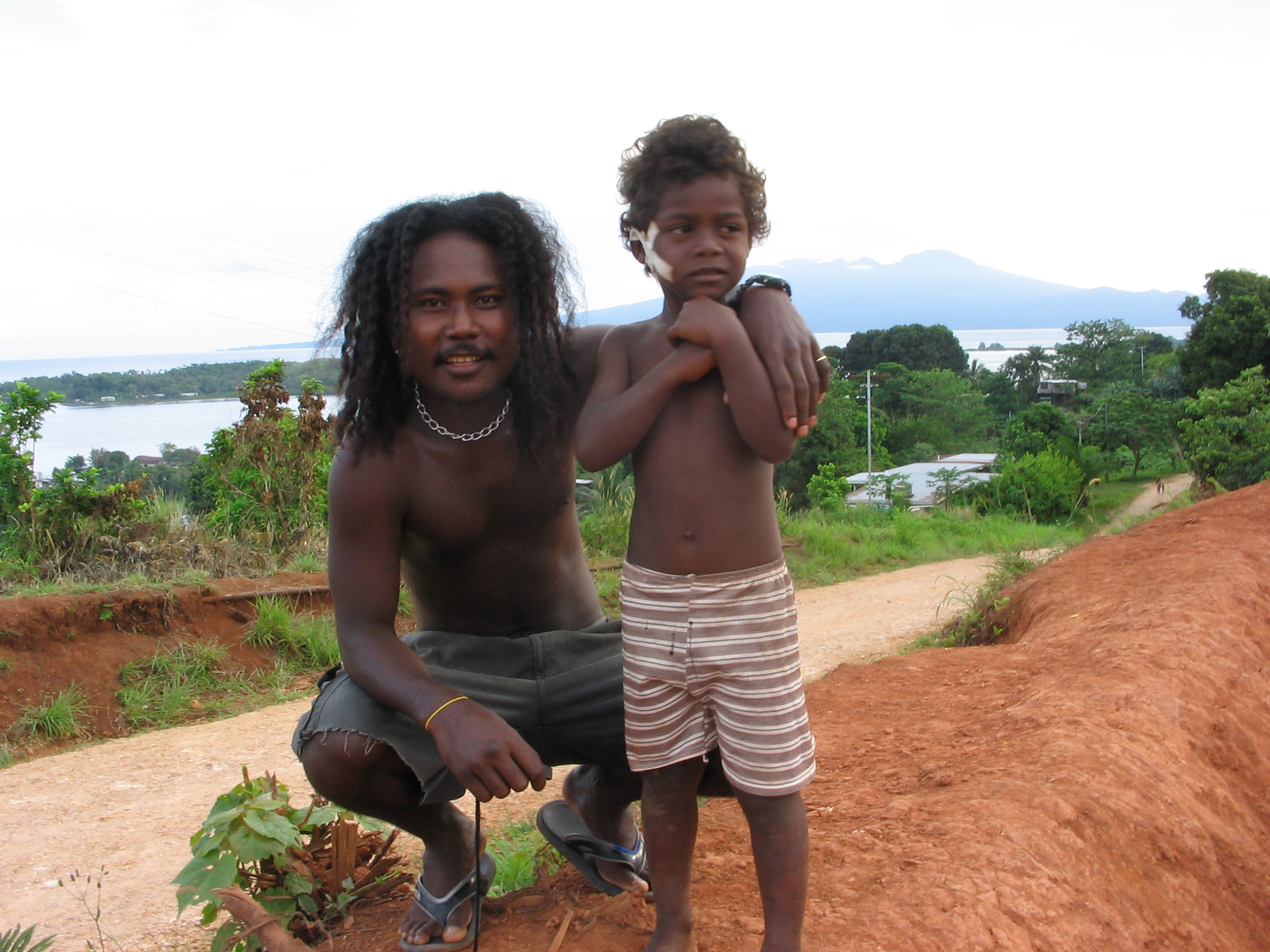
Solomon Islands offers breath taking visuals. It is a land of extremes. A land that is still wild. But from a “scenic” point of view the Solomons is not just another pretty face.
The people in these islands rival their surroundings when it comes to natural beauty…



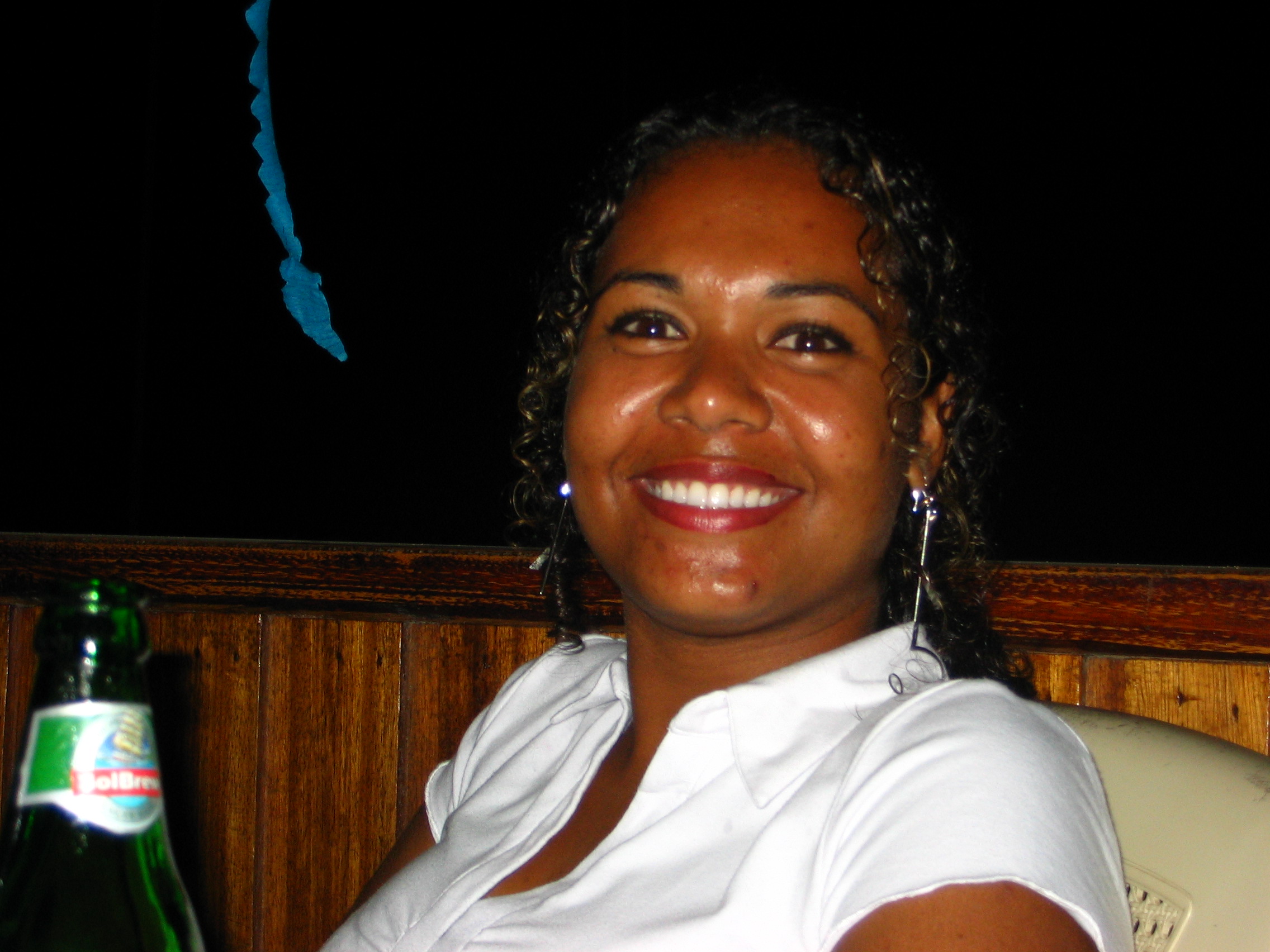


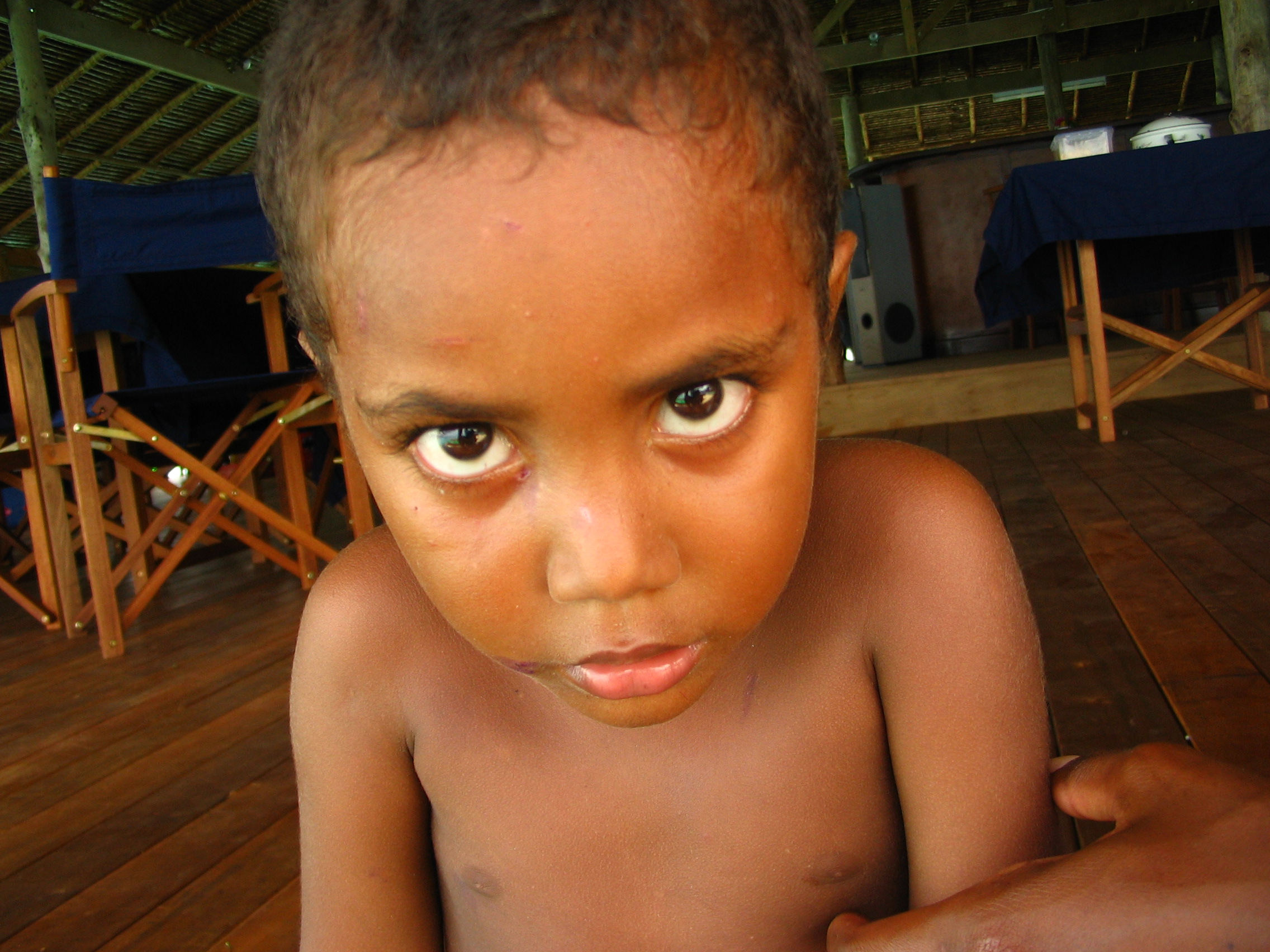

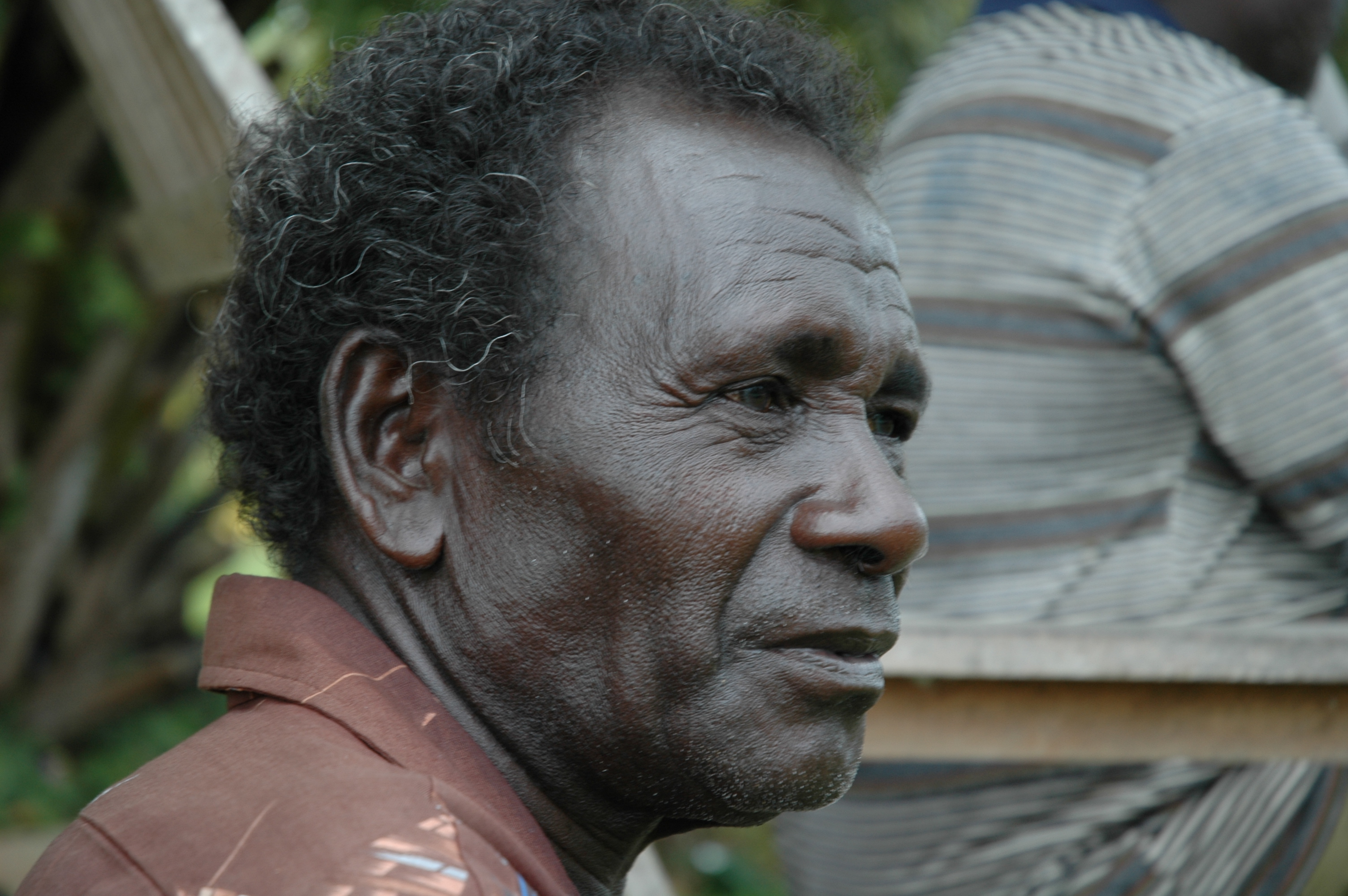


End-day, Thursday. And I’m buggered. Been a long day. been a long week. Life is very, very gud…
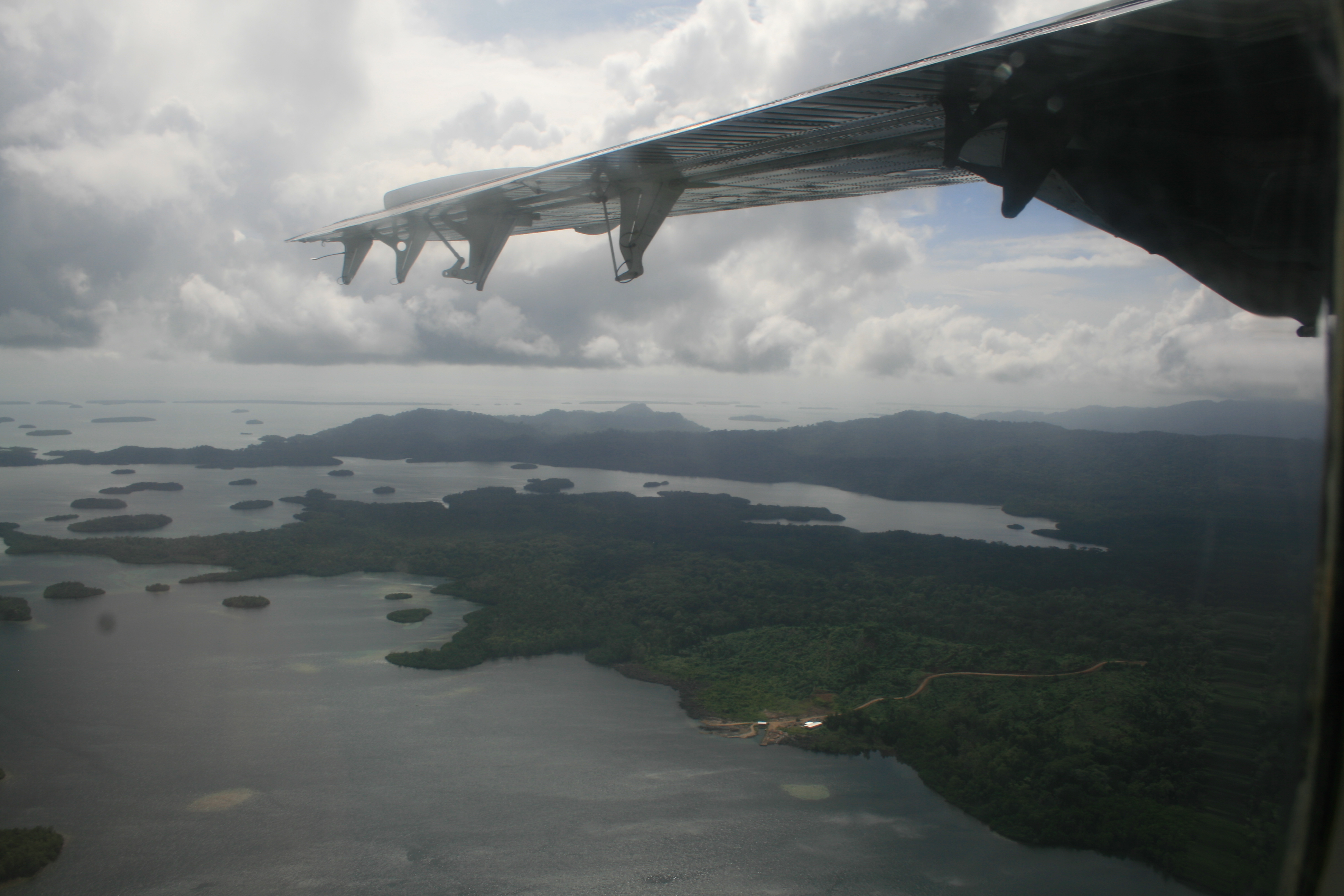
Instead of working on something serious or essential I thought I’d dump some more picts on the blog to keep folks interested. A million apologies, not much time for words right now.
These are from the trip West in a vintage Beech 18 airplane. Because many out there are light aircraft enthusiasts figgr’d these would find approving smiles.

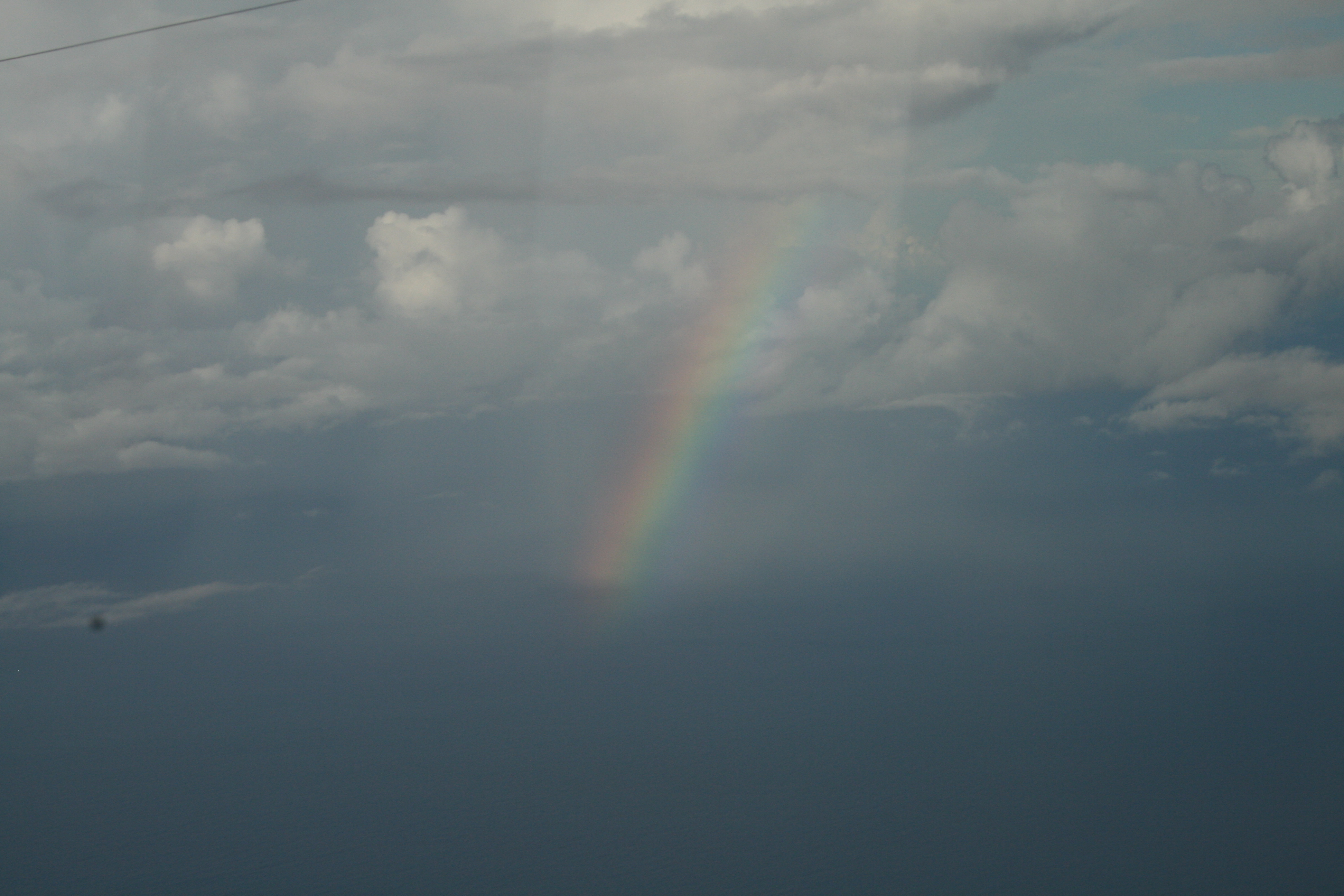
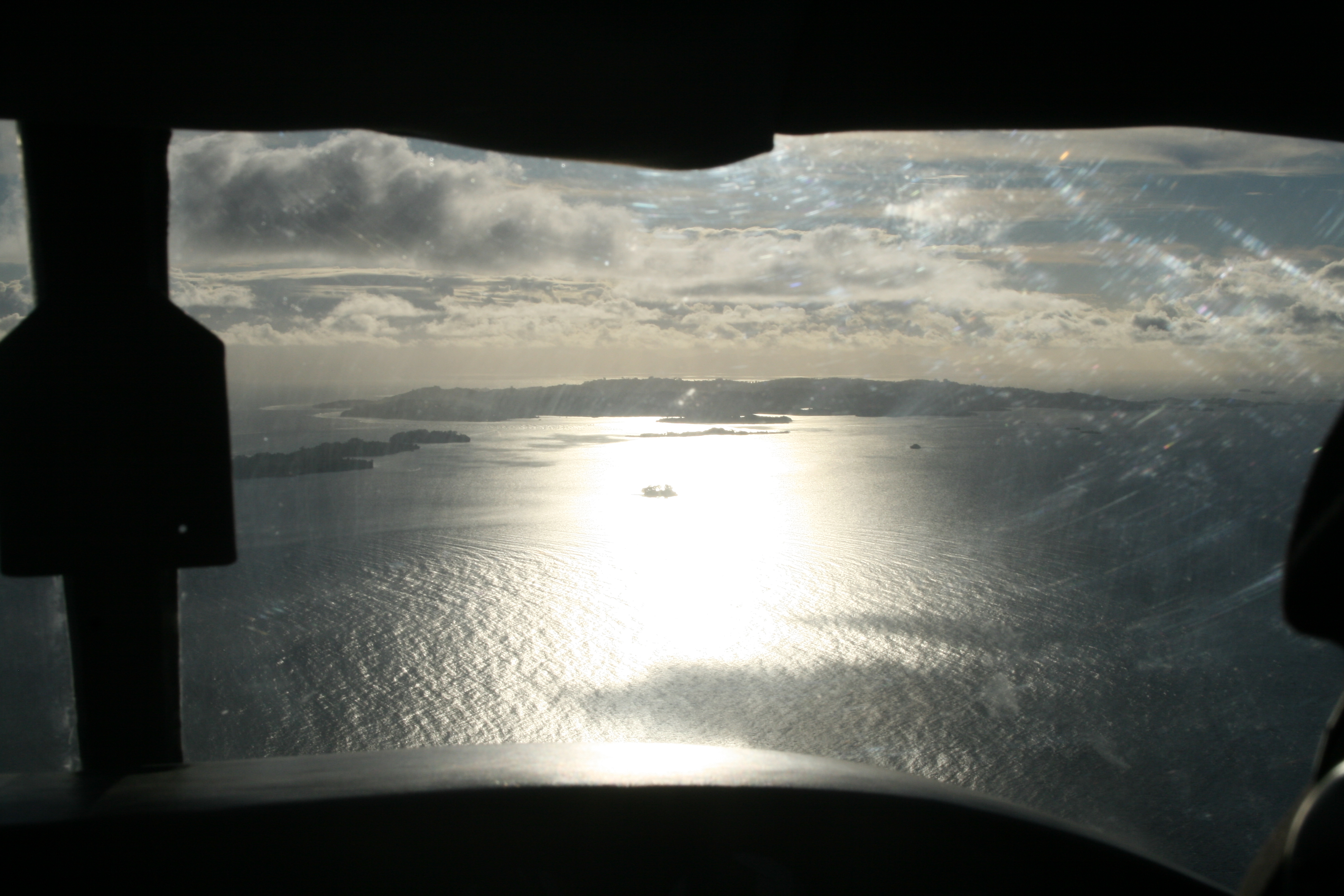

Posted in End-day, PHOTOS AND IMAGES
owe the blog a story.
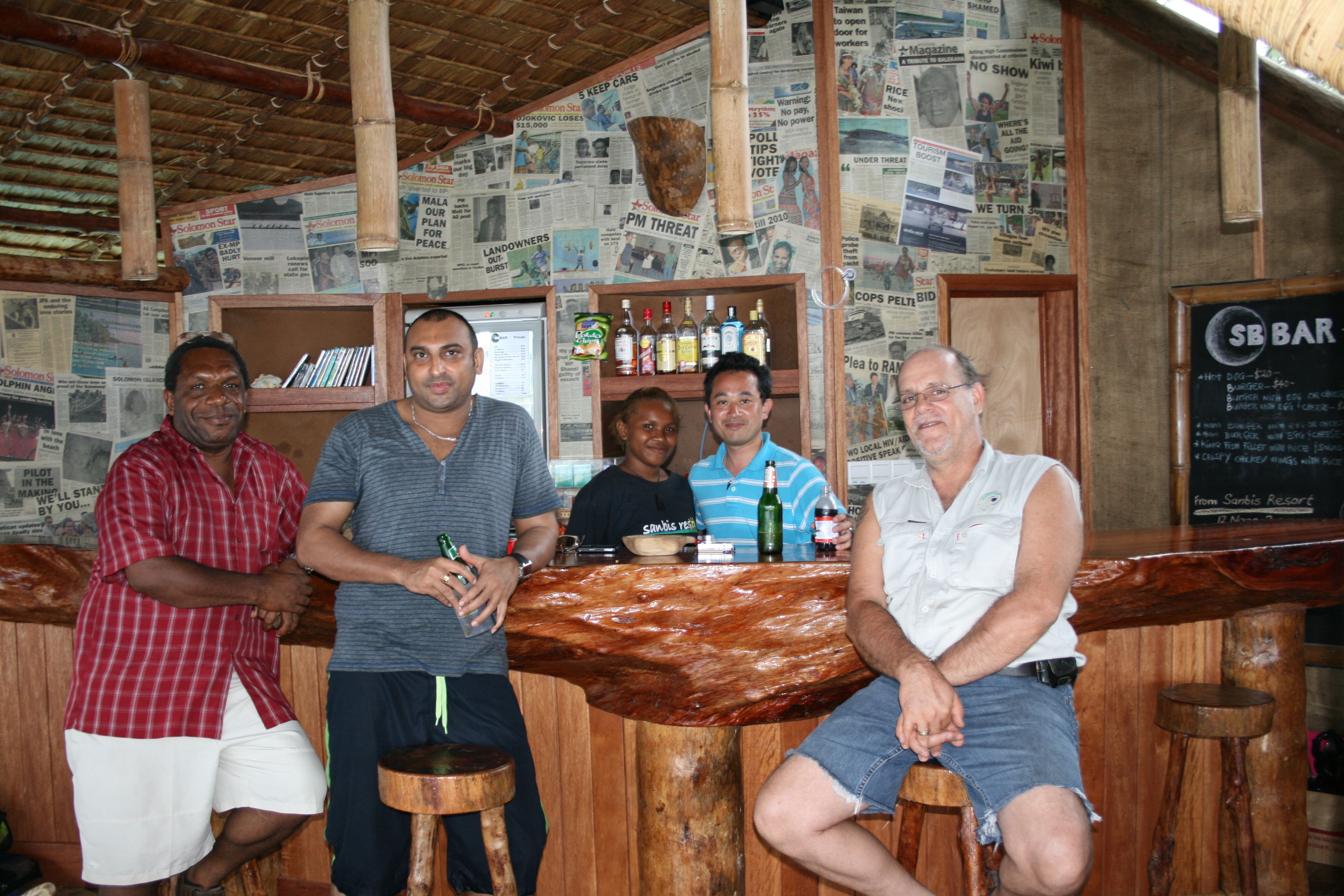
Another boring business trip…
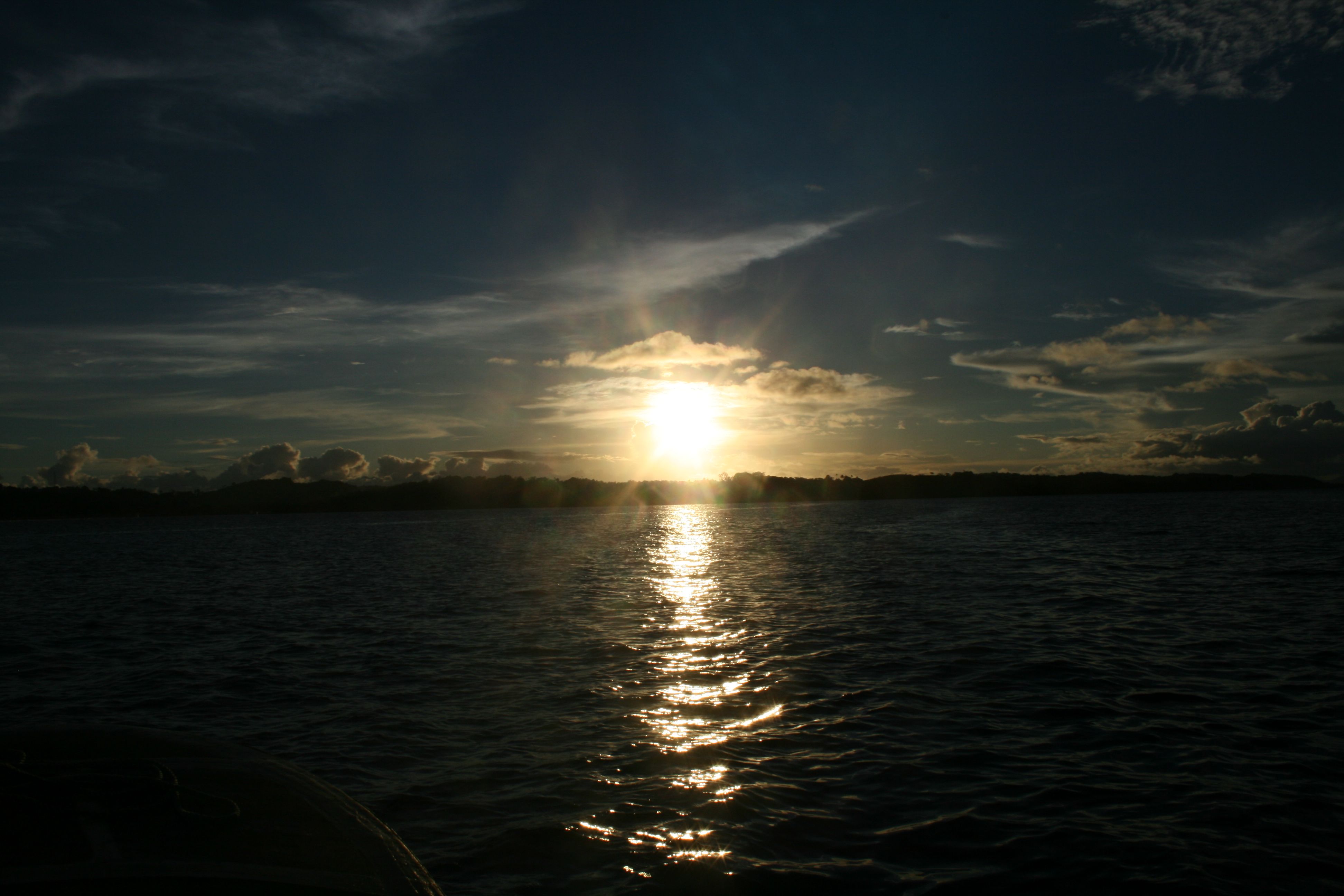
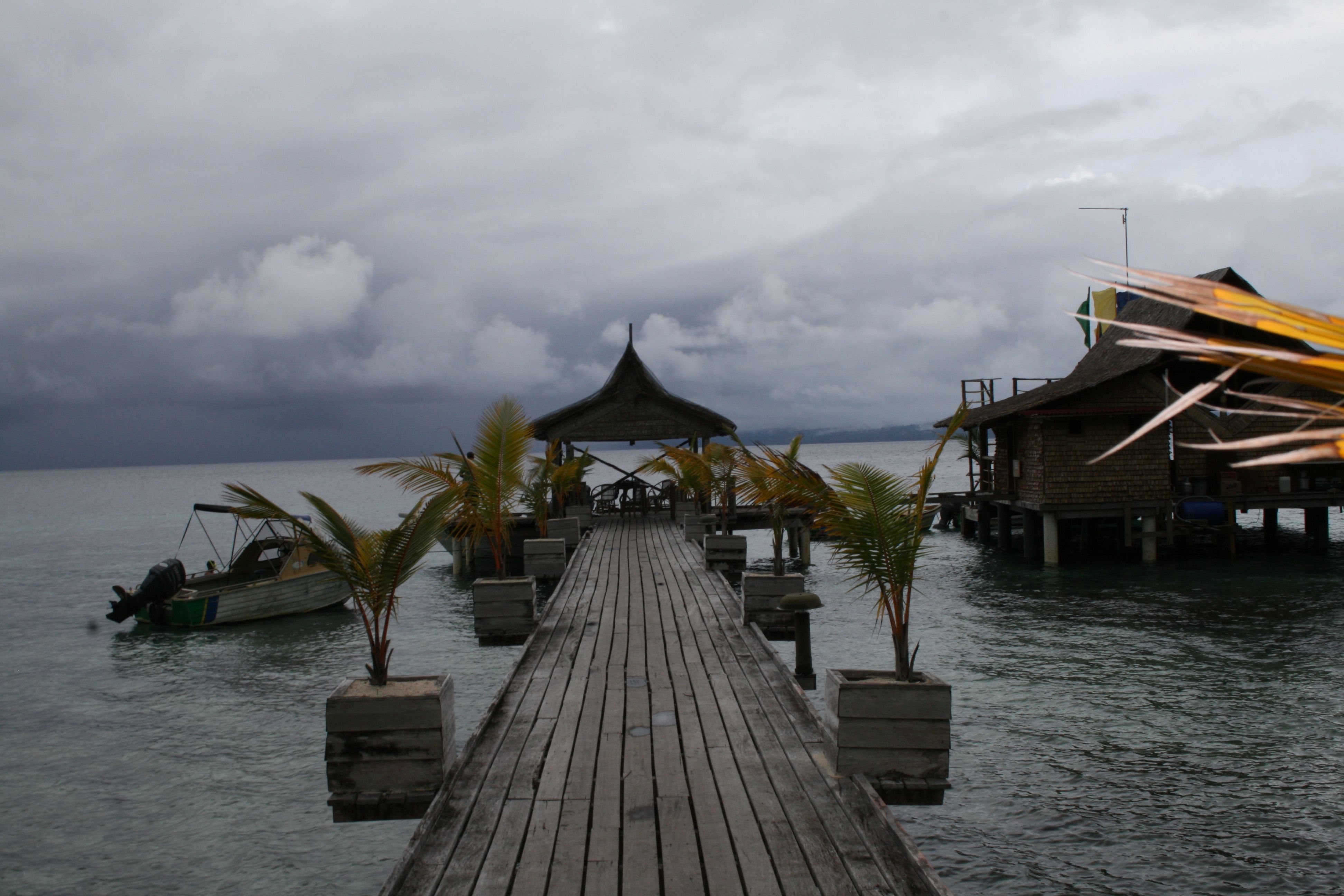

Took a tail draggin rotary engine aircraft….
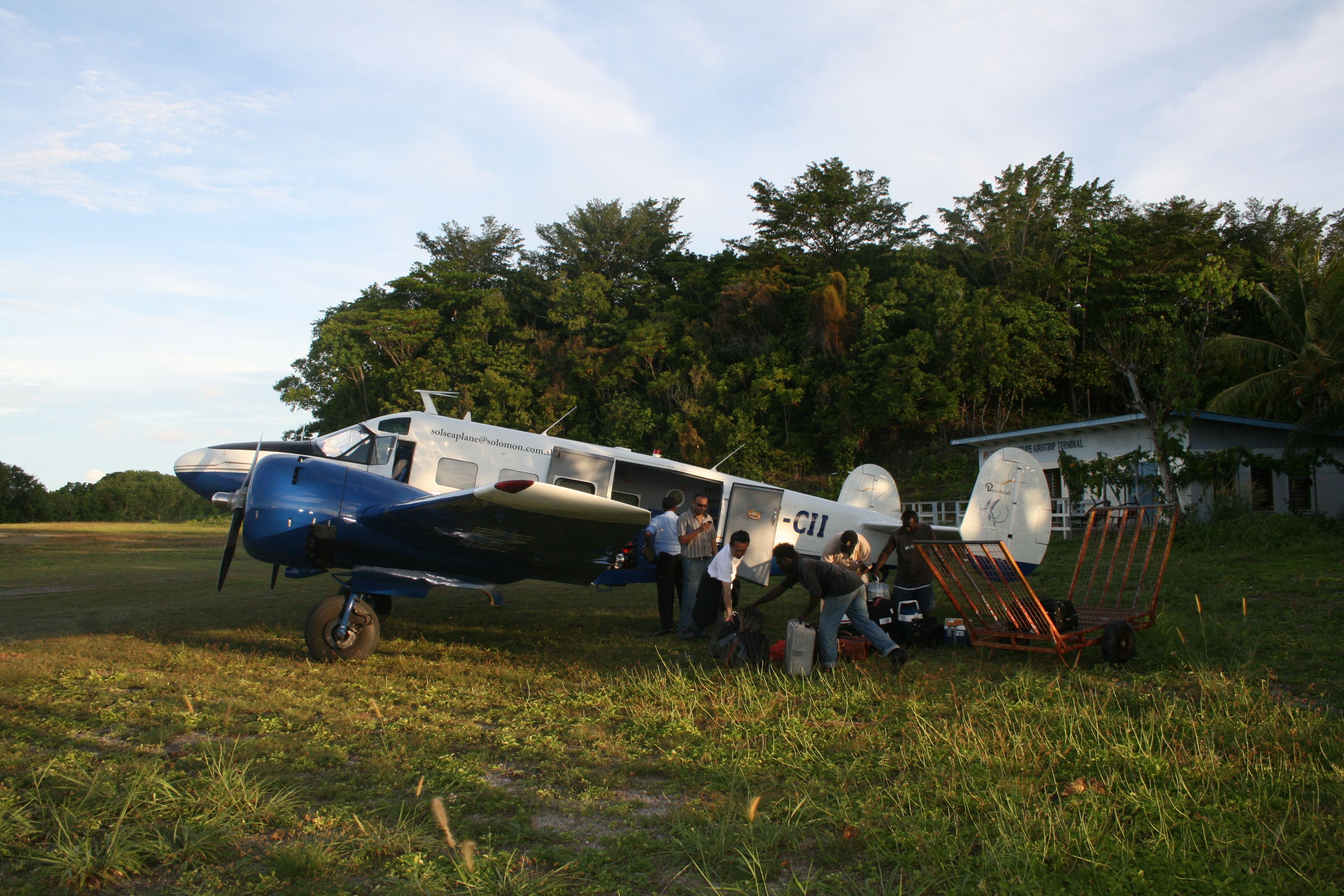
It was all a good time.
I’ve promised the principle suspects a story. I’m having problems with bandwidth. But we’ll get there. Standby, as promised…
Terminal grants… I have been asked what these are (see press release 4-08-09).
The terminal grants apply as a “gold watch” payment for MPs when:
a) The current parliament t is adjourned. So, after 4 years each member receives a 100 grand gratuity for their services rendered. This has just been increase 100% from 50 grand.
b) The new entitlements add a MP’s wife to the terminal grants party… spouses will now receive 50 grand at the end of each parliament life.
c) Another grant called an “ex-gratia” payment is given to all MPs who lose their seat in the election. This amount was moved from 25 to 100 grand.
All these payments are tax-free.
All of these sound like bullshit political payments to me.
Posted in DATED COMMENTARY, terminal grants
We’ve seen it all before. And it’s all so sad. A nice family: Mom, Dad, and four beautiful kids. Both mom and dad are well-educated and work good jobs. The kids are the kind of kids that you enjoy looking at. Their golden curls and beaming smiles.
But there is a dark secret here. There is more than meets the eye of the casual observer. What looks like an educated and organized family is false. When we see dad and mom dressed for work they look like professionals.
But they have a problem.
Mom and dad like to drink and have fun. They’re still young. They like parties. Every payday there is a party. It lasts all weekend. There’s plenty of grog and heaps of food.
But come Monday, it’s a different story:
The neighbors know all about it. The neighbors actually care for the kids. Bath them. Feed them. Give them support when mom and dad is either drunk, hung over or out of money.
Mom and Dad put a real good face on when they go to work. They are big-men in their offices. But at home they are beggars.
Always asking from money for school fees. When an illness strikes the neighbors help with transport, food and care for the kids. Most nights the kids stay in the neighbor’s kitchen. Sitting round the fire as the communal pot of cassava boils. The neighbor knows how tough it is. A family of their own to feed. But you can’t let the kids go hungry.
Some nights mom and dad visit the neighbor’s kitchen too.
But when payday comes it’s all good fun. There’s a big barbeque, beer and wine, soft drinks and ice cream for the kids. The neighbors come too. Everyone is invited. Everyone has a good time.
Until Monday.
On Monday the hangover clears and reality comes back shockingly clear and bright.
Mom and dad hang their heads for a few days. A bit shame-faced they ask the neighbors for the kids’ lunch-money. And the neighbors help. They always help. Perhaps that’s part of the problem?
Sound familiar? Sound like something we’ve seen before? Perhaps on an larger scale?
Makes me wonder when the current party on the hill will end? I hope it’s soon. I know there will be a huge hangover from it all.
Entitlements that MPs’s receive: Part One
Dear Editor, I wish to discuss the above referenced topic. This is part one in that I will prepare an actual costing that will show what a) a general member to parliament, b) A Minister of the Crown, and c) the Prime Minster costs the nation annually as well as each term. Going through the entitlements does get confusing very quickly. I will refrain from noting too strongly what the numerous additional appointments, committees, Caucus members, etc. cost us all. For now we will focus on what the cost to the Public for their parliamentarians may be.
But first, lets review the current costs and recent changes that have sparked so much controversy. The facts are bound within the Parliamentary Entitlements Regulations , April 2008, and Extraordinary Gazette, (Legal Notice No. 45) Monday 6th July, 2009
Initial notes and findings:
10. Meal allowances for all MPs was raised from 200.00 per day to 300.00 per day. An increase of 66.6%
11. “Local subsistence allowance” for all MPs is 300.00 per day
12. “Local tiring allowance” for all MPs is 300.00 per day
13. The country is broken into Zones and each Zone is allowed an annual amount for “constituency touring allowance. There are 5 Zones. All 5 Zones had allowances increased 83%
14. “Subsistence Allowance Overseas” varies:
PM = USD 350.00 or SBD 2800.00 per day
DPM = USD 300.00 or SBD 2400.00 per day
All other ministers of positioned leaders
=USD 250.00 per day of SBD 2000.00 per day
Other members
= USD 250.00 per day or SBD 2000.00 per day.
15. Tax free terminal grant for all members = 100,000.00
16. Standing Select Committee and Special Select Committees = 400.00 per day extra payment.
17. Death or Injury = 50,000.00
Increased to = 100,000.00
18. Ex Gratia tax free = 25,000.00
Increased to = 100,000.00
(only when the Member is not re-elected into Parliament)
19. Transport Allowance in the absence of a Govt. vehicle for Ministers, LOO, L/Ind./Dep. Spk., Chairman of Parl. Caucus and Chairman of Stand. Cttees = 3,000.00 per month, Increased to = 7,000.00
20. MPs holding and garaging govt. vehicle. Paid a fuel allowance
21. = 3,000.00 per month
Increased to = 6,000.00
22. Transport Allowance to MPs for being in Honiara on constituency or govt business. Paid twice per year.
= 3,000.00
23. Ministers with extra portfolios = 800.00 per month
24. Spouses Entitlement = 50,000.00
25. Lastly: the increases to the pensions all Members receive… All pensions have been increased. Of course the big one is the pension for the PM. The new change is written in such a manager that each and every living ex-Prime Minister receives a wage, a house, a car and medical treatment for life. It is written to include any Member to Parliament that has held the office of PM is eligible for these benefits. The House and car are the new additions herein. So what does a nice house cost… 2 million Solomon Dollars? Not big enough. How many ex PMs do we currently have? I count five.
In ending Part One: My next step will be to break all the costs down and list them so we can see what each separate level of parliament costs us. The fact herein is though very clear… we have just seen a set of regulations that were reviewed only 14 months ago, revisited, and have seen increases in a number of areas. Now the main point of contension herein is where will the money to pay for our Parliamentarians come from? Private Sector is taxed beyond endurance. It is fairly estimated that sixty cents out of every dollar belongs to Government. Can we increase this higher? The General Citizenry of the Nation falls into the Least Developed Nation income bracket of less than 5000.00 Solomon Dollars per Annum. The Public Service is demanding an increase in wages too… how come our Parliamentarians can justify a raise when everyone else has to tighten their belts?
And, to think, an increase to 70 members of Parliament is deemed as prudent?
Ladies and gentlemen, boy and girls, this is all simply too much to bear. It is blatant abuse of office. Some of it may be legal (but I can’t see how any payment to a Leader of the Country can be given as tax-free… such is an insult to the public at large) but, BUT, the point here is… can we afford it? And, of course, the answer is NO! We have a huge and growing population to educate, keep healthy and assist in finding a prosperous future. Handing more money to those who do the least may not be the best way to plan for a rosy future. I say increase spending on the rural sector, the youth, education, medical services, transport, and infrastructure… most definitely not an increase to the cost of our already overly expensive Government.
Posted in DATED COMMENTARY, press release 4-8-09
The Solomon Islands Chamber of Commerce and Industry (SICCI) held a members meeting on Thursday 30th July to discuss the current debate surrounding the Parliamentary Entitlements and increasing the maximum number of seats in Parliament to 70.
The main issue of contention here is good governance. Our MPs are elected to Government in order to serve the people who elected them. The Solomon Islands is underdeveloped and relies upon foreign aid for economic survival. What is desperately needed is good leadership from our MPs, who must be dedicated to improving the country, be it in terms of economic or social development.
However, what the public witnesses time and time again is the absence of a motivation to develop the nation. Instead MPs are currently increasing their entitlements in the midst of a global recession and national government budget crisis.
The Minister of Finance, who was one of the MPs on the Parliamentary Entitlements Commission (PEC), gave a speech to the SICCI members in May this year. During his speech he outlined the seriousness of the government’s financial position saying, “The Solomon Islands is confronting worsening current account deficits and a slowing economy.” He assured the SICCI members that his Government “have taken steps to bring the budget back into balance, ensuring that the Government continues to be able to meet its commitment to delivering services to its people”.
Taxes have been raised on certain items, which impacts the private sector and their customers alike. The Minister informed the Chamber that Government spending has been cut back by a “10% reservation on 2009 recurrent expenditure across all Ministries.” These actions have negative consequences but taken in the context of a budget crisis and economic slowdown seem reasonable. What does not seem reasonable is for MPs to increase their own entitlements, despite the fact that they have already acknowledged a serious shortfall in government funds.
The Minister of Finance went on to discuss how some thought that increases in spending were necessary for growth. He said, “This shows a misunderstanding of how serious the cash problems are at the moment. The Government must act prudently to ensure essential services continue to be funded.”
Parliament has subsequently passed a new bill increasing the maximum number of seats in Parliament to 70. There seemed to be little concern for the intense public debate outside of Parliament. There was no explanation of how an increase in MPs is to be funded. Once again the Government does not seem to be concentrating its efforts on the effective management of the nation. There are more pressing issues to address than remote areas being made into separate constituencies.
Such issues include various economic problems that require reforms in land, labour law and tax to name a few areas. Social problems persist and will get worse if not dealt with now. The offices of GPPOL, a major investor in the Solomon Islands, have been burnt down, for the second time. The SICCI urges the authorities to make all possible efforts to bring the perpetrators to justice. The underlying issues that result in individuals committing arson and risking the departure of a major investor and employer must be addressed as a priority. Security in general is a persistent problem. The cost of doing business in the Solomon Islands is too high. Water and electricity provision is poor with frequent interruptions. Inter island transport is poor. Some of these issues are being tackled but mostly by donors and aid agencies.
When the public perceives the Government to be grossly self-serving then civil unrest becomes a real possibility. Often it is the private sector that becomes the target for civil unrest, despite the Government being the source of frustration. The SICCI strongly cautions the Government against behaviour that sends the message to the public that MPs’ interests come before those of the public. The Government and Parliamentarians must be seen to be making decisions based on democratic principles. The sentiment of the public must be taken into account. The interests of the nation must be the primary focus.
Posted in DATED COMMENTARY, press release 30/7/09
On behalf of the Solomon Islands Chamber of Commerce and Industry I wish to congratulate Prime Minister Sikua and his Cabinet for their hard work and professionalism involved with this current sitting of parliament. It has been a busy and productive sitting. And will continue for a few more weeks. This, of course, is the visible work ethic that bolsters confidence in Government.
Amidst it all, the discussion-taking place involving the increase in the number of Parliamentary Seats is one issue the SICCI must question:
Question 1. Is there a real need for “More Government” in the Solomons or, perhaps, are we already over burdened by Government?
Question 2. As we have experienced this year: The income/revenue as collected by SIG is insufficient to fund current Government activities, and this trend will not change until we get more businesses paying more income to the Government, so, can we afford a Bigger Government, even if we actually need a Bigger Government?
Question 3. By even raising the discussion of “More, Bigger Government” are we undermining the good relations the Sikua Government has developed with the Private Sector?
Question 4. The SIG budget is strongly supported by Aid Partners who work in areas of transport, infrastructure, education, health, water, etc… By talking of increasing the cost of Government what message are we sending to our partners?
Question 5. Is this the best decision for us at this time?
Consider: In a nation that sees less than 20% of it’s population involved in the Formal Cash Economy, and which sees over one-quarter of the population aged below 15 yrs, one may assume that the overall increase to the cost of Government would be better spent on Educational and Training?
If we acknowledge that the private sector oriented “Income Base” of the Government is a) shrinking, b) poorly regulated and administered, c) outspokenly fearful of issues like security, and stability: One may consider, when viewing the facts here, that the Solomons cannot afford more Government, more Parliamentarians, before they solve some basic and urgent issues.
If indeed populations have changed/ moved and constituencies need to be rearranged, then change the boundaries, realign and balance as is required.
But, seriously folks, does it make sense, at this time, to increase the number of Parliamentarians? Increase the amount of Government thus directly increasing the Cost of Government?
One positive suggestion I can offer: Lets look at increasing the opportunities in the Nation that allow prosperity and wealth development. I speak of prosperity and wealth development on all levels… the rural, the urban and the in-between levels:
� Perhaps if we target a 5-year program of spending money on education and training, targeting tangible improvements that do more than simply maintain the status quo?
� Perhaps if we make the infrastructure we have work and improve/ develop infrastructure where needed, we will see more business, more jobs and more income for the Government?
� Perhaps if we make the SOE’s work and work well we will see a reversal in the trend of SIG spending money to make institutions work and actually see these institutions becoming a value-added component to our economy?
� Perhaps we make a priority list of what we need to do before we Increase Government?
Seriously, before we increase the number of Seats in Parliament lets target a required level of Private Sector Growth that will sustain/ finance and make such increase not only required but possible.
In ending, I think our priorities are not straight. The SICCI is standing by to assist the SIG in developing a holistic list of priorities for the next 5 years; a list that logically combines both political and private agendas, for the betterment of all involved.
Last thought… I’ll bet that one item that we’ll not see on the priority list will be the payment of monies to the Wives of Members to Parliament.
Posted in DATED COMMENTARY, press release 17/7/09
I thank all involved for the honour of being here today. The SICCI is the voice of the Private Sector in Solomon Islands. With over 100 members we like to think we have our finger on the economic pulse of the Country.
The Solomon Islands Economy
There is much discussion in the Solomons right now that revolves around what comes “next” for our economy. Of course, Logging is no longer the future of the islands. There is much talk of mining, fishing, tourism or… something else that is required to fill the void that the fall in logging based revenues is creating.
As a “least developed country” the Solomons is both ahead and behind other countries in the Pacific region. Ahead in that, as I like to think, there are opportunities galore in the Solomons. Behind in that recent trends, occurrences and mishaps have made investing in our lovely island homeland difficult, at best.
Allow me to briefly review three main impediments the Solomons as a whole and investors in general currently face.
1st : The Cost of Doing Business in the Solomons is prohibitively high…
* Failing or nonexistent infrastructure means the cost of all commodities increase disproportionately every time they are handled or moved.
* Of course the Security Issues we live with in the Solomons costs all companies extra. All business houses must hire, train and retain large numbers of expensive security guards… in my company one half of our 100 employees are security personnel. It is my view that our “Security Problems” will not go away quietly. 50% of our population is under the age of 25. If we do not develop a mechanism to engage, educate, employ and recognise this growing population the situation will not get better.
* The failing, obsolete and poorly maintained public services cost all users too much. Currently a unit of electricity costs us USD fifty cents. This is in comparison to USD fifteen cents for an average unit here in Australia. There is a distinct need to get the SOE’s in the Solomons operating properly. This need is immediate if not over due.
2nd : Land tenure in the Solomons is a difficult and sensitive issue…
* Over 80% of our land is held under a “Customary Land System”. If you want to come and develop a new enterprise – outside the urban setting – you’ll have to deal with Customary Land owners. This can be time consuming, costly and, for the newly initiated, quite daunting.
* Add to this: The National Lands Registry is poorly managed, susceptible to corrupt influences, and, sadly, has not received the attention, money or care that is required to make this system work in a modern society. I wish to comment here that “without security of tenure of Land” there can be little or no honest investment. We must get this right before we move forward.
3rd : The tax regimen in the Solomons does not attract investment…
* There has been a propensity for successive Governments to view the Private Sector as their very own “cash-cow”. When the Central Government needs more revenue… they target the Private Sector. They raised the Goods Tax from 8 to 10%. Then to 15%. This is a negative trend and simply is not sustainable. The tax regimen we currently live under is actually pushing business away. We live under a system of taxes on taxes. Sorta’ makes me wonder why or how we’d think investors would even consider the Solomons as a viable option.
* It is this onerous if not draconian tax regime that forces doors of graft and corruption open. A fair and professionally implemented tax system will mean a broader tax base, easier regulation, better compliance and, in the long run, more revenue.
I know, it all sounds pretty negative. I can guess that many here today are asking themselves… “if it’s all that bad why is he still there?”…
The simple answer is that… Things have not always been this way. In the 80s corruption was nonexistent. Taxes were reasonable. The lifestyle was the best our planet offered. And, ladies and gentlemen, the Solomons is Home.
OK, We’ve had the negative, where’s the positive… there has to be a positive somewhere…
What does the Solomons have that can be the tool or tools we all put our hand to? The tool we can use to start digging our way out of the problems we are in?
* Of course our idyllic island lifestyle is a marketable entity. Tourism can be “a saviour” for us. But we need to solve many problems before we can “bank” on tourism.
* There is no doubt that mining is viable in the islands. There is no doubt that there “is gold in them thar hills”. But, are we ready to move in that direction? Do we need to solve some associated issues before we move full speed into mining?
* Agricultural Business offers a positive opportunity. At present there is an abundance of unexploited land in the Solomons. It may make sense for us to focus on the agriculture sector. Growth in agriculture will benefit the rural areas, where most of the population live. We already have a strong agricultural base. Agriculture will also create the required jobs that will encourage people to stay in the rural areas, rather than move into town to look for work.
* Manufacturing, in contrast to agriculture, mining and fisheries, is very attractive as it enjoys increasing returns to scale. As you manufacture in greater numbers your costs decrease. It is obviously premature to talk about Solomon Islands developing high tech industries at this point in time. However, at the very least the government must plan for greater manufacturing and industry in the economy. Looking at international experience, it is the manufacturing sector that pushes wages up. Something we need in the Solomons.
* One last thought on Manufacturing: Manufacturing has the potential to absorb educated and skilled labour. In agriculture the majority of the jobs are unskilled. If a country educates its citizens without having the jobs available the inevitable consequence is “brain drain”. A situation where the country’s most skilled people move to other countries to find gainful employemnt. This is a problem we currently face. It is not acceptable to suggest that the Solomon Islands simply does not educate its population. It is also undesirable to spend valuable and limited resources on training people when they are likely to leave.
So we do have a few, limited options or opportunities. The only problem with relying on agriculture and raw materials export is that the result will be a low wage economy, little technological progress and a pattern of exporting raw materials and importing manufactured goods.
Protection versus Free Trade
Historically countries have protected industries that they recognise as desirable. They do this by setting high import duties for those goods that they wish to produce themselves. This gives any national business an advantage in the domestic market.
In the case of the Solomon Islands the domestic markets are small. With only 15% of our population living in urban centres the demand for goods that can be produced locally is small. Unlike other developing countries, even if a company is protected from foreign competition, we may never have enough local demand to become ultimately successful.
However, there are two reasons for contemplating protectionist strategies. Firstly, having an advantage in the domestic market may make the difference between a firm being profitable or not. The fact that jobs in manufacturing generally have higher wages is a good reason to desire a manufacturing sector. The question has to be asked whether, in opposition to comparative advantage theory, it is better to protect an inefficient manufacturing sector than to have no manufacturing sector at all.
PACER
My discussion on protectionistic opportunities logically leads us to PACER… The Australian government has stressed that the PACER negotiations will be conducted with a view toward development rather than an effort to capitalise on potential markets. If this is the case then PACER could be a better development tool than 10 years worth of aid.
I believe that the Solomons must be allowed and encouraged to protect those industries that are beneficial. That is to say those industries that have: increasing returns to scale, encourage innovation, are as high tech as possible, utilize inputs that are locally sourced, offer high wage levels, and/ or produce synergies and experience high growth.
However, all of this is insufficient to develop our country’s economy to its full potential. The Solomon Islands needs to have a long-term economic development plan. We need to be building infrastructure that encourages investment of the right or desired type. I have said this many times before… The SIG should not stimulate business development and growth through handing out grants. Build the infrastructure required and let the Private Sector manage the rest.
It would though seem that the PACER negotiations could well compel the Solomon Islands Government to start thinking of a long-term economic development strategy.
The Solomon Islands government really must start thinking in the long term. The Government and Private Sector must cooperate and share a positive forward focus. We will not develop unless we have carefully thought out plans, and combine them with the will to see such plans through to completion, despite any and all difficulties.
Again, one and all I very much appreciate the time granted today to the Solomon Islands Chamber of Commerce and Industries.
I wish to comment directly per the recent provincial election in the Western Province and specifically about the contested seat for the Gizo constituency.
A Gizo Voter passed to me a well-worn sheet of paper that clearly listed All The Good Works and All The Great Projects the incumbent Provincial Member had initiated in the past four years. The heading of this list is “SERVING OUR COMMUNITY FOR 4 YEARS’.
The person that gave me this asked me… “Tru one, member hem payem and maken every project lo here?”
The paper lists thirty projects worth 1.28 million SBD. As I peruse the list I see four projects that are clearly listed as “Rotary Project”. I note three projects that are listed as being funded by Oxfam. I note a number of British and New Zealand High Commission projects. With the largest project listed (SBD $ 750,000.00) coming from NZAid.
I commend the Provincial Member for being astute enough and even active enough to list so many projects. Projects others are doing or have done. Yet I fail to see how these projects can legitimately be claimed as being positive evidence of your personal hard work.
I feel that your use of these projects as a “Campaign Tool” is wrong, misleading and perhaps, if not unfair, then definitely unethical.
I feel that the same thing happens every election… A Member wishing to retain his seat uses every device in his arsenal to claim, proclaim and exclaim HIS good works achieved over the past four years. Now it may only be academic that an outside/ overseas entity funded any given project, carried out the works and successfully completed the “project”. I have no doubt that you, Mr. Member, were there for the dedication of the project. I have no doubt that you smiled wide for the prerequisite photo-op at the “official ceremony”. As I have no doubt that you did assist during the project…. As many, many others assisted during the project.
I don’t really have a problem that politicians in general often claim the good works of the “community at large” as their own. Sure, there needs to be some form of paternalistic feeling between any member and his constituency. But, I do take exception, when a long list of projects, carried out by no less than 12 separate funding and implementing entities, is gratuitously claimed as a singular success for yourself.
Such success belongs to the Community as a whole. No single person, not even the “Big Man” can claim the success as His own. Yet, this well-worn sheet of paper tells us otherwise. And this bothers me… the bottom of this well-worn sheet of paper states… “Due to lack of Government Funds Hon. Danny Kennedy wrote project proposals, secured finance, sourced materials and implemented most of these projects.”
Now, of course, this line in itself acts as a disclaimer. The “implemented most of these projects” part of the last line shows the member admitting that he is using the good works of others to mislead the general electorate.
I guess this is nothing new. What I perhaps find disturbing is that after 31 years of Independence our general voting Citizenry is still open to cheap tricks, outright lies and chicanery. As we move into 2010 and the upcoming National Election I would warn Voters to be on your guard. Please do not let quick talking, hand shaking, back patting, big smiling Candidates lie to you. Ask them hard questions. Make them work for your vote.
Your vote is valuable and does make a difference.


Getting pretty weary of the fast pace…
Share this:
Leave a Comment
Posted in DATED COMMENTARY, singapore